8017 N. University Dr, Parkland, FL 33067

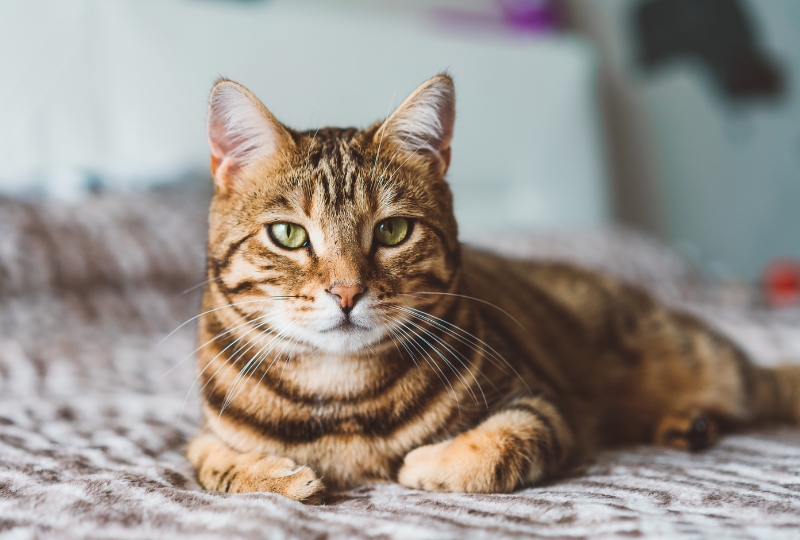
As cats grow older, their needs begin to change. They may slow down, sleep more often, or develop age-related health conditions that require extra attention. Although aging is a natural process, proper care can help your feline companion enjoy many comfortable and fulfilling years. Understanding these changes allows pet owners to support their cats with better nutrition, preventive healthcare, and a stress-free environment.
Every senior cat deserves a personalized care routine that supports physical health, mental well-being, and emotional comfort. Small lifestyle adjustments often make a significant difference in maintaining mobility, preventing illness, and improving overall quality of life.
If your aging feline needs professional veterinary support, Parkland Animal Clinic proudly provides compassionate care for families throughout Parkland, FL.
Senior Cat Care Begins with Regular Wellness Exams
Senior cat care begins with regular veterinary visits, as aging cats face a higher risk of developing chronic health conditions that may not show obvious symptoms right away. Consistent wellness exams help identify potential problems early, allowing for timely treatment and better long-term health.
During a comprehensive wellness examination, your veterinarian may:
- Assess your cat’s weight and muscle condition
- Listen to the heart and lungs
- Examine the eyes and ears
- Evaluate the skin and coat
- Check for signs of dental disease
- Assess joint flexibility and mobility
- Screen for age-related health concerns
While yearly wellness exams are beneficial, many senior cats benefit from veterinary visits every six months. More frequent checkups help monitor subtle health changes and ensure your cat receives the care needed to stay healthy and comfortable.
Feed a Diet Designed for Aging Cats
Nutrition plays a major role in supporting healthy aging.
Senior cats require balanced meals that provide:
- High-quality protein
- Essential vitamins and minerals
- Healthy fats
- Controlled calories
- Adequate hydration
Some cats develop kidney disease, diabetes, or digestive sensitivities later in life. Your veterinarian may recommend a prescription diet tailored to these conditions.
Always introduce dietary changes gradually to prevent digestive upset.
Encourage Daily Hydration
Many older cats drink less water than they should, increasing the risk of dehydration and urinary problems.
You can encourage hydration by:
- Providing multiple water bowls
- Using a pet water fountain
- Feeding canned food
- Refreshing water several times each day
- Keeping bowls clean
Proper hydration supports kidney health and helps maintain normal body functions.
Watch for Changes in Behavior
Behavioral changes often signal underlying medical problems rather than simply “old age.”
Monitor your cat for:
- Increased sleeping
- Reduced activity
- Hiding more frequently
- Appetite changes
- Weight loss
- Increased thirst
- Difficulty jumping
- Confusion
- Excessive vocalization
Early evaluation helps identify health concerns before they become more serious.
Protect Joint Health
Arthritis affects many older cats, although symptoms are often subtle.
Your cat may experience:
- Difficulty climbing stairs
- Hesitation before jumping
- Stiff movements
- Reduced grooming
- Less interest in playing
To improve comfort:
- Provide orthopedic bedding
- Use pet stairs or ramps
- Keep litter boxes easily accessible
- Maintain a healthy body weight
- Discuss joint supplements or pain management with your veterinarian
Simple home adjustments often improve mobility and reduce discomfort.
Maintain Dental Health
Dental disease becomes increasingly common with age and may affect your cat’s appetite and overall health.
Signs of dental problems include:
- Bad breath
- Drooling
- Difficulty chewing
- Pawing at the mouth
- Loose teeth
- Red gums
Routine dental examinations and professional cleanings help prevent painful infections and tooth loss.
Brushing your cat’s teeth regularly at home also supports long-term oral health.
Keep Your Cat Mentally Stimulated
Mental enrichment remains important throughout your cat’s life.
Try activities such as:
- Puzzle feeders
- Interactive toys
- Gentle play sessions
- Window perches
- Scratching posts
- Food puzzles
Mental stimulation helps reduce boredom while supporting cognitive function in older cats.
Rotate toys occasionally to maintain interest.
Create a Comfortable Home Environment
A comfortable home allows older cats to move safely while reducing physical strain.
Helpful modifications include:
- Soft sleeping areas
- Non-slip rugs
- Low-sided litter boxes
- Easy access to favorite resting spots
- Warm resting areas away from drafts
Cats appreciate consistency, so avoid unnecessary changes that may create stress.
Monitor Weight Regularly
Weight changes often indicate underlying health concerns.
Unexpected weight loss may result from:
- Kidney disease
- Hyperthyroidism
- Diabetes
- Dental pain
- Cancer
Meanwhile, excess weight places additional stress on aging joints and increases the risk of chronic illness.
Regular weigh-ins help detect problems before visible symptoms develop.
Support Healthy Vision and Hearing
Older cats sometimes experience reduced vision or hearing.
You can help by:
- Keeping furniture in familiar locations
- Avoiding sudden loud noises
- Using gentle verbal cues
- Approaching calmly
- Providing night lights if needed
These simple adjustments reduce anxiety and help your cat navigate the home confidently.
Groom Your Cat Frequently
Many senior cats struggle to groom themselves because of arthritis or reduced flexibility.
Regular grooming helps:
- Remove loose hair
- Prevent painful mats
- Reduce hairballs
- Improve circulation
- Strengthen your bond
Also check for:
- Skin lumps
- Parasites
- Wounds
- Dry skin
- Changes in coat quality
Report any unusual findings to your veterinarian.
Keep Vaccinations and Preventive Care Current
Older cats still require preventive healthcare.
Your veterinarian may recommend:
- Vaccinations
- Parasite prevention
- Blood work
- Urinalysis
- Blood pressure monitoring
- Thyroid screening
Preventive care helps detect disease before symptoms become severe.
Reduce Stress
Stress affects older cats more than many owners realize.
Maintain a calm environment by:
- Following consistent feeding schedules
- Keeping litter boxes clean
- Minimizing loud noises
- Introducing household changes gradually
- Providing quiet resting areas
A predictable routine helps senior cats feel secure.
Understand Common Health Conditions
Several conditions become more common as cats age, including:
- Kidney disease
- Arthritis
- Hyperthyroidism
- Diabetes
- Heart disease
- High blood pressure
- Dental disease
- Cognitive dysfunction
Recognizing early warning signs allows for faster diagnosis and treatment, often improving long-term outcomes.
Make Litter Box Access Easier
Older cats may struggle to climb into high-sided litter boxes.
Consider:
- Low-entry litter boxes
- Multiple boxes throughout the home
- Non-slip mats nearby
- Easily accessible locations
Clean boxes daily to encourage regular use and help monitor urinary habits.
Give Plenty of Love and Attention
Your cat’s emotional well-being matters just as much as physical health.
Spend quality time each day through:
- Gentle petting
- Quiet companionship
- Interactive play
- Grooming sessions
- Positive reinforcement
Even short periods of attention strengthen your bond and help your cat feel safe and loved.
Caring for an aging cat involves more than simply recognizing the passing years. A thoughtful combination of preventive healthcare, balanced nutrition, regular exercise, mental stimulation, and a comfortable home can greatly improve your pet’s quality of life. By following these practical recommendations, you can provide the best possible senior cat care while helping your feline companion remain active, comfortable, and happy.
If your older cat is due for a wellness exam or you have concerns about age-related changes, schedule an appointment with Parkland Animal Clinic. Our experienced veterinary team proudly serves cats and their families in Parkland, FL, providing compassionate care tailored to every stage of life.
Frequently Asked Questions
- How often should a senior cat visit the veterinarian?
Senior cats should have a wellness exam at least every six months. Regular checkups help detect age-related conditions such as arthritis, kidney disease, diabetes, and dental problems before they become more serious.
- What are the most common health problems in senior cats?
Older cats are more likely to develop arthritis, kidney disease, hyperthyroidism, diabetes, heart disease, dental disease, and vision or hearing changes. Early diagnosis can improve treatment outcomes and quality of life.
- What should I feed my senior cat?
A senior cat should eat a balanced diet with high-quality protein, essential nutrients, and adequate moisture. Your veterinarian may recommend a specialized diet based on your cat’s age, weight, and medical needs.
- How can I make my home more comfortable for my senior cat?
Provide soft bedding, low-entry litter boxes, non-slip rugs, pet ramps or stairs, and easy access to food and water. Keeping your home calm and maintaining a consistent routine also helps reduce stress.
- Why should I choose Parkland Animal Clinic for my senior cat’s care?
Parkland Animal Clinic offers compassionate, personalized veterinary care for aging cats. Our experienced team focuses on preventive medicine, early disease detection, pain management, and customized treatment plans to help your senior cat enjoy a healthy and comfortable life.
- How do I schedule an appointment at Parkland Animal Clinic?
Scheduling an appointment with Parkland Animal Clinic is easy. Contact our friendly team to book a wellness exam, discuss any concerns about your senior cat’s health, or learn more about the services we offer to support your pet through every stage of life.