8017 N. University Dr, Parkland, FL 33067

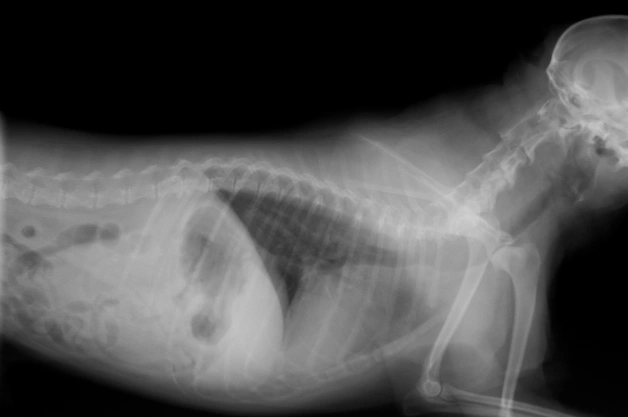
Detect Injuries Early With Dog Radiology Imaging
Veterinary radiology allows veterinarians to view internal structures of a dog’s body without surgery. Digital X-ray imaging helps identify injuries, bone changes, swallowed objects, and certain internal conditions, enabling quick and safe treatment decisions.
Advanced Veterinary Imaging for Dogs in Parkland
Radiology for dogs plays a critical role in identifying the reason behind signs of pain, injury, or illness that cannot be confirmed through a routine exam. Digital X-ray technology provides detailed internal images that help veterinarians evaluate bones, joints, lungs, and abdominal organs.
At Parkland Animal Clinic, we offer dog radiology in Parkland to support accurate diagnosis and treatment planning during both routine and urgent visits. Imaging allows our veterinary team to detect hidden concerns and discuss the next steps clearly with pet owners.
Morning walks near Pine Trails Park are a daily routine for many Parkland dogs, while relaxed afternoons in shaded backyards are just as common in this South Florida community. Healthy movement and comfortable breathing help dogs continue enjoying these everyday moments.
When Do Dogs Need Veterinary Radiology Imaging?
Veterinary radiology is commonly recommended when symptoms suggest an internal problem that cannot be detected on physical exam. Imaging provides a clear view of the areas most likely involved.
Situations that may require radiology include:
- Sudden limping or difficulty walking
- Pain after a fall or physical injury
- Persistent coughing or breathing changes
- Vomiting, bloating, or digestive discomfort
- Suspicion of swallowing a foreign object
Early imaging helps veterinarians confirm a diagnosis quickly and begin appropriate care.
What Happens During a Dog Radiology Examination?
Radiology visits follow a calm, organized process designed to keep pets comfortable while capturing clear images.
Typical steps during a radiology appointment include:
- Reviewing the dog’s symptoms and medical history
- Performing a physical examination
- Positioning the dog safely for imaging
- Taking digital X-ray images from specific angles
- Reviewing results and discussing findings
Sedation may be recommended if a dog is experiencing discomfort or cannot remain still long enough to obtain accurate images.
What Advantages Do Digital X-Rays Provide in Veterinary Care?
Modern veterinary radiology uses digital imaging systems that produce detailed results within seconds. Digital X-rays allow veterinarians to zoom in, adjust image contrast, and carefully examine specific areas.
Benefits of digital radiology include:
- Faster image processing
- Clearer diagnostic images
- Reduced exposure compared to older imaging systems
- Immediate review of results
Digital technology helps veterinarians detect abnormalities sooner and guide treatment decisions more efficiently.
What Conditions Can Digital Veterinary Radiology Identify?
Radiology is used to evaluate a wide range of health concerns affecting dogs. Imaging helps confirm diagnoses and determine the next steps for treatment.
Some common conditions evaluated with radiology include:
- Bone fractures or joint injuries
- Arthritis and joint degeneration
- Lung or respiratory concerns
- Digestive blockages
- Abdominal abnormalities
Radiology for dogs often works alongside physical exams and other tests to provide a complete picture of a dog’s health.
Preparing Your Dog for a Veterinary Radiology Visit
Preparation for a radiology visit is usually simple. Sharing accurate information about your dog’s symptoms helps the veterinary team determine the most helpful imaging approach.
Helpful preparation tips include:
- Bring your dog on a secure leash
- Share recent changes in behavior or appetite.
- Inform the clinic about current medications.
- Follow any fasting instructions if sedation may be required.
Clear communication helps the visit proceed smoothly and allows imaging to be completed quickly.
How Radiology Supports Accurate Veterinary Diagnosis
Radiology provides valuable information that guides treatment decisions. X-rays help confirm injuries, evaluate internal organs, and identify conditions that may not be visible on a routine exam.
Accurate imaging allows veterinarians to:
- Diagnose conditions more efficiently
- Monitor healing after injuries.
- Compare images over time.
- Adjust treatment plans when symptoms change.
Radiology often plays an important role in long-term care, particularly for active dogs or aging pets. For families searching for radiology treatments in Parkland, visit us for diagnostic imaging services, and we will help you quickly identify health concerns and reduce uncertainty for pet owners.
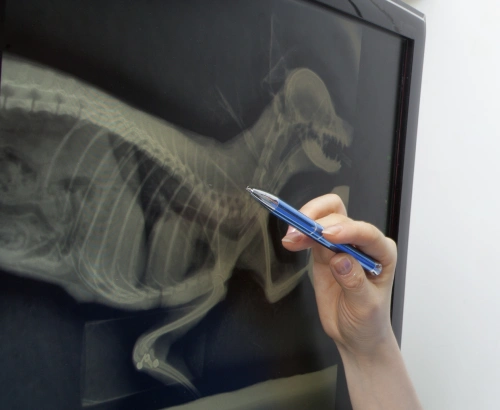
Diagnostic Imaging That Supports Your Dog’s Health
Unexpected symptoms can leave pet owners feeling uncertain about what their dog may be experiencing. Veterinary radiology provides answers that help guide the safest and most appropriate treatment plan.
Clear imaging allows veterinarians to detect injuries, evaluate internal structures, and determine the next steps with confidence. Digital X-rays reduce guesswork and allow faster care decisions when symptoms appear suddenly.
Help Identify Your Dog’s Health Concerns Early
Changes in movement, breathing, appetite, or behavior sometimes indicate a deeper concern that requires further evaluation. Veterinary imaging offers a practical way to investigate those symptoms and develop the right treatment plan.
Pet owners looking for dog radiology in Parkland can contact Parkland Animal Clinic to schedule a diagnostic evaluation. Veterinary imaging helps identify health concerns early and supports safer care decisions for your dog.
Frequently Asked Questions
Certain foreign objects, such as bones, toys, or dense materials, may appear clearly on X-rays. Radiology helps veterinarians evaluate the location of swallowed objects and determine whether additional treatment or monitoring is needed.