8017 N. University Dr, Parkland, FL 33067


Gentle Dental Care to Protect Your Cat’s Oral Health
Cats are excellent at hiding discomfort, which means dental problems can often develop quietly without obvious symptoms. Plaque buildup, gum irritation, or infection may progress before owners notice visible changes. Regular dental care helps detect these issues early and supports a cat’s comfort, appetite, and long-term health.
At Parkland Animal Clinic, our veterinary team focuses on preventive and routine dental care designed specifically for cats. Dental evaluations and professional cleanings help identify plaque buildup, gum inflammation, and early dental disease before they affect your cat’s well-being. Addressing these issues early helps prevent discomfort and supports healthy eating habits.
Cats in Parkland often spend their days lounging in sunny windows or watching birds from screened patios while enjoying the calm environment many homes offer near Pine Trails Park and Terramar Park. Maintaining healthy teeth and gums allows them to stay comfortable during meals, grooming routines, and everyday activities. Our veterinary team provides careful cat dentistry in Parkland and supportive care plans designed to maintain strong teeth and healthy gums throughout your cat’s life.
Why Dental Health Matters for Cats
Dental health plays an essential role in a cat’s overall wellness. Plaque forms naturally on the teeth when bacteria combine with food particles in the mouth. If plaque is not removed, it hardens into tartar and irritates the gums. Over time, this irritation may lead to inflammation or infection beneath the gum line.
Untreated dental disease can affect more than the mouth. Bacteria may spread through the bloodstream and impact other organs if infections become severe. Dentistry for cats allows veterinarians to identify these concerns early and address them before they progress.
Routine dental care offers several important benefits for cats:
- Supporting healthy teeth and gums
- Reducing plaque and tartar accumulation
- Improving breath and oral hygiene
- Identifying early signs of dental disease
- Protecting overall health and comfort
Consistent dental care allows cats to eat comfortably, maintain a healthy appetite, and continue normal grooming behaviors.
When Cats Should Begin Dental Care
Dental care should begin early in a cat’s life. Kittens may not require professional cleanings immediately, but early veterinary visits allow veterinarians to monitor tooth development and identify any alignment concerns as permanent teeth emerge.
As cats grow into adulthood, dental examinations become increasingly important. Most cats benefit from having their teeth and gums checked during annual wellness visits. Some cats may require more frequent dental care depending on their age, diet, and oral health history.
Certain factors may increase a cat’s risk of dental problems, including genetics, diet, and individual tooth alignment. Routine dental evaluations help veterinarians monitor these risks and recommend preventive care tailored to each cat’s needs.
Establishing dental care early helps create a lifelong routine that supports healthy teeth and gums.
Common Dental Problems in Cats
Cats can develop several dental conditions that affect their comfort and ability to eat. Many of these issues develop gradually and may not be visible without a veterinary dental examination.
Some of the most common dental problems seen in cats include:
- Plaque and tartar buildup: Bacteria combine with food particles to form plaque on the teeth. If plaque is not removed, it hardens into tartar that irritates the gums.
- Gum inflammation: Red or swollen gums can signal early gum disease and may lead to infection if untreated.
- Tooth resorption: Cats are prone to certain dental conditions that weaken tooth structure and cause discomfort.
- Oral infections: Bacteria beneath the gum line may lead to infection and inflammation in surrounding tissues.
- Broken or damaged teeth: Hard objects or trauma can occasionally lead to fractured teeth.
Routine veterinary dentistry for cats helps detect these concerns early so they can be addressed before they worsen.
Signs That Your Cat May Need Dental Care
Cats often hide signs of discomfort, so dental problems may not be obvious at first. Subtle changes in eating behavior or daily habits can sometimes signal oral health concerns.
Watch for signs such as:
- Persistent bad breath
- Dropping food while eating
- Reduced appetite or difficulty chewing.
- Excessive drooling
- Pawing at the mouth
- Red or swollen gums
- Visible tartar buildup on teeth
If any of these symptoms appear, scheduling a dental evaluation allows veterinarians to determine the cause and recommend appropriate care.
Step-by-Step: A Cat Veterinary Dental Examination
A veterinary dental examination allows the veterinarian to evaluate a cat’s oral health in detail. During the evaluation, the veterinarian carefully examines the teeth, gums, and surrounding tissues to detect early signs of dental disease.
The examination generally includes several key steps:
- Checking teeth for plaque, tartar, or damage
- Examining gums for redness, swelling, or irritation
- Inspecting the tongue and inner cheeks
- Evaluating tooth alignment and stability
- Assessing the overall condition of oral tissues
These evaluations help veterinarians determine whether professional cleaning or further dental care is recommended. Early detection allows potential issues to be addressed before they become more serious.
Preventive Dental Care for Cats
Preventive dental care is one of the most effective ways to maintain a cat’s oral health. Regular veterinary visits combined with supportive home care can help reduce plaque buildup and prevent dental disease from progressing.
Preventive dental care often includes several important habits:
- Scheduling routine dental examinations
- Professional dental cleanings are recommended.
- Providing veterinarian-approved dental treats
- Feeding a balanced diet that supports oral health
- Monitoring the mouth for visible changes
Combining these steps helps maintain healthy teeth and gums while supporting a cat’s long-term comfort.
Benefits of Professional Dental Cleanings
Professional dental cleanings provide deeper care than home maintenance alone. These cleanings remove plaque and tartar that accumulate beneath the gum line where brushing or chewing cannot reach.
Professional cleanings provide several benefits for cats:
- Removing hardened tartar from the teeth
- Cleaning areas beneath the gum line
- Improving gum health and oral hygiene
- Identifying hidden dental issues early
- Reducing the risk of infection and tooth damage
For pet owners seeking cat dentistry in Parkland, we offer professional dental cleanings that play an important role in maintaining their cat’s oral health, overall health, and comfort.
Simple Home Dental Care Practices for Cats
Home care plays an important role in maintaining a cat’s oral health between veterinary visits. While professional dental care addresses deeper plaque buildup, simple at-home habits help slow plaque formation and support healthy gums.
Helpful home care practices may include:
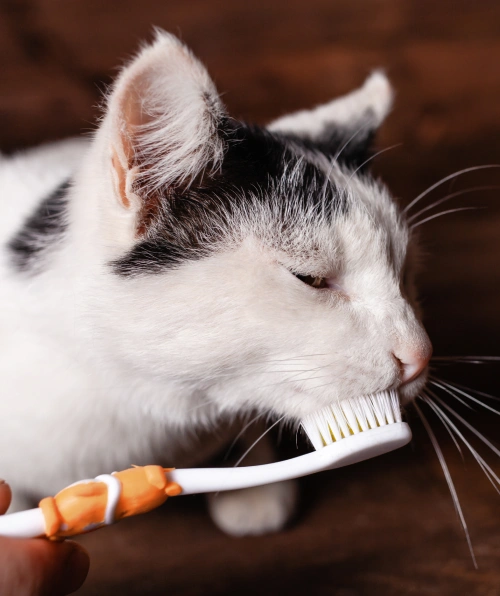
- Brushing your cat’s teeth with cat-safe toothpaste
- Providing dental treats recommended by veterinarians
- Offering chew toys designed for dental support
- Checking the mouth regularly for changes
- Maintaining consistent veterinary checkups
Prioritize Your Cat’s Dental Health Today
Dental care is an important part of maintaining your cat’s overall health and comfort. Healthy teeth and gums allow cats to eat comfortably, groom properly, and maintain their normal routines. By focusing on preventive dental care, pet owners can help reduce the risk of dental disease and support long-term wellness.
At Parkland Animal Clinic, our veterinary team provides attentive dental care designed to support your cat’s comfort and oral health. Regular dental evaluations allow us to identify early concerns and recommend appropriate care to protect your pet’s well-being.
If your cat has not had a recent dental evaluation, schedule a dental evaluation today to ensure your cat’s oral health and comfort. Our caring team is here to assess and help maintain your pet’s teeth.
Frequently Asked Questions
Cats naturally hide signs of discomfort as a survival instinct. Even when dental disease develops, they may continue to eat and behave normally. As symptoms are subtle, regular veterinary dental exams are important to detect problems before they cause serious pain or infection.