8017 N. University Dr, Parkland, FL 33067

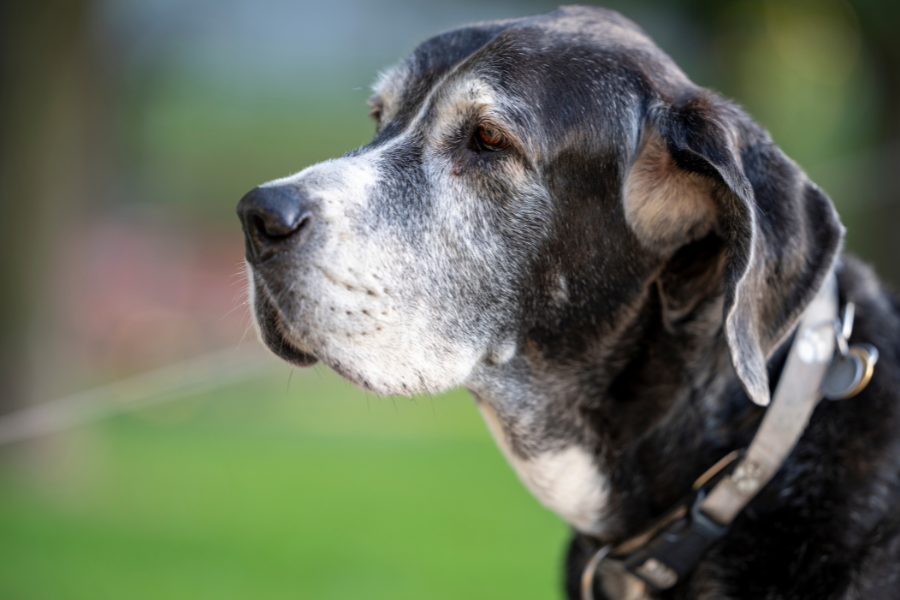
As pets get older, their healthcare needs change quickly. A yearly checkup may not be enough for a senior pet because age-related conditions like arthritis, kidney disease, diabetes, dental disease, and heart problems can develop faster than many owners realize. In this guide, you’ll learn how often a senior pet should see the vet, what happens during senior wellness visits, and the warning signs that mean your pet may need more frequent care.
When Is a Pet Considered a Senior?
A pet is generally considered a senior during the last 25% of their expected lifespan. For many dogs, that means around age 7, although large breeds may age faster. Cats are often considered seniors around 10 years old.
Senior pets can still live happy, active lives, but they are more likely to develop chronic conditions that benefit from early detection.
How Often Should a Senior Pet Visit the Vet?
Most veterinarians recommend that a senior pet have a wellness exam every six months. Pets with chronic illnesses may need visits even more often. According to the 2023 AAHA Senior Care Guidelines, twice-yearly exams help detect health issues earlier and improve long-term quality of life.
Why every six months matters:
- Pets age faster than humans
- Diseases can progress rapidly between annual visits
- Early treatment is often more effective and less expensive
- Subtle changes are easier for vets to detect over time
For healthy adult pets, yearly visits may be enough. However, senior dogs and cats benefit from more frequent monitoring.
Why Senior Pets Need More Frequent Checkups?
Many health problems in older pets develop gradually and may not show obvious symptoms early on. Cats, especially, are known for hiding pain and illness.
Routine senior wellness visits help monitor:
- Weight changes
- Mobility and arthritis
- Dental health
- Kidney and liver function
- Heart disease
- Vision and hearing loss
- Cognitive decline
- Blood pressure
- Thyroid function
Detecting these conditions early can significantly improve your pet’s comfort and lifespan.
What Happens During a Senior Pet Wellness Exam?
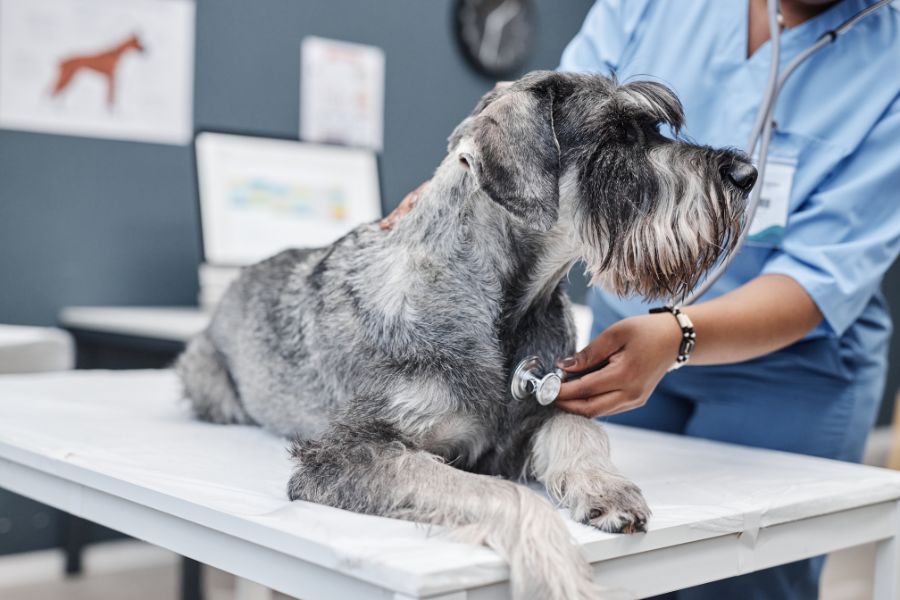
A senior pet wellness exam is more detailed than a standard annual visit. Your veterinarian may recommend a combination of physical exams, lab testing, and lifestyle evaluations.
Physical Examination
Your vet will examine:
- Eyes and ears
- Teeth and gums
- Skin and coat
- Heart and lungs
- Body condition and muscle mass
- Joints and mobility
Even small changes in posture, walking, or weight can signal underlying problems.
Bloodwork and Diagnostic Testing
Routine testing often includes:
- Complete blood count (CBC)
- Blood chemistry panel
- Urinalysis
- Thyroid screening
- Blood pressure testing
These tests help identify hidden diseases before symptoms become severe.
Arthritis and Mobility Assessments
Arthritis is one of the most common conditions in older pets. Early treatment can help maintain mobility and reduce pain. Your vet may discuss:
- Joint supplements
- Weight management
- Pain medications
- Physical therapy
- Home mobility changes
Dental Evaluations
Dental disease becomes more common with age and can affect overall health. Senior pets may need:
- Professional cleanings
- Dental X-rays
- At-home dental care plans
Untreated dental infections can lead to pain and organ complications.
Signs Your Senior Pet May Need an Earlier Vet Visit
Do not wait for the next scheduled checkup if you notice:
- Increased drinking or urination
- Weight loss or gain
- Bad breath
- Difficulty standing or climbing stairs
- Reduced appetite
- Vomiting or diarrhea
- Confusion or disorientation
- Changes in sleep patterns
- Lumps or bumps
- Heavy panting or coughing
These symptoms may indicate serious conditions that require prompt attention.
Senior Dogs vs. Senior Cats: Different Care Needs
Senior Dogs
Older dogs commonly experience:
- Arthritis
- Heart disease
- Cancer
- Mobility problems
- Cognitive decline
Large-breed dogs often develop senior-related issues earlier than smaller breeds.
Senior Cats
Senior cats are especially prone to:
- Kidney disease
- Hyperthyroidism
- High blood pressure
- Diabetes
- Dental disease
Cats are experts at hiding illness, which is why regular exams are critical.
How to Help Your Senior Pet Stay Healthy Between Visits?
Vet care works best when combined with good at-home habits.
Maintain a Healthy Weight
Excess weight increases stress on joints and organs. Your veterinarian can recommend the best diet for your pet’s age and condition.
Watch for Behavioral Changes
Small behavior changes can signal pain or illness. Monitor:
- Activity levels
- Sleeping habits
- Bathroom behavior
- Appetite
- Social interaction
Keep Up With Preventive Care
Senior pets still need:
- Vaccinations
- Flea and tick prevention
- Heartworm prevention
- Dental care
Skipping preventive care can leave aging pets vulnerable to avoidable diseases.
Make the Home More Comfortable
Simple home changes can help aging pets stay comfortable:
- Orthopedic beds
- Ramps or stairs
- Non-slip rugs
- Elevated food bowls
- Easy litter box access
These adjustments can greatly improve mobility and quality of life.
The Benefits of Preventive Senior Care
Preventive veterinary care often catches disease before it becomes severe. That can lead to:
- Better pain management
- Longer lifespan
- Lower emergency costs
- Improved mobility
- Better quality of life
Routine monitoring also helps establish a health baseline, making it easier to notice subtle changes over time.
Conclusion
Senior pets deserve proactive healthcare that supports their changing needs. For most older dogs and cats, veterinary visits every six months provide the best opportunity to catch disease early, manage pain, and maintain a healthy quality of life. If your aging pet has chronic health issues, more frequent visits may be necessary. Staying consistent with senior wellness care can help your companion stay comfortable and active for years to come. Schedule a senior wellness exam with your Parkland Vet at Parkland Animal Clinic in Parkland to help your pet enjoy healthier golden years.
FAQs
Q1: How often should a senior dog go to the vet?
Ans: Most senior dogs should see the vet every six months. Dogs with chronic health conditions may require more frequent visits and monitoring.
Q2: At what age is a pet considered a senior?
Ans: Most dogs become seniors around age 7, while cats are often considered seniors around age 10. Large dog breeds may age earlier.
Q3: Do senior cats need bloodwork every year?
Ans: Yes, many veterinarians recommend yearly or twice-yearly bloodwork for senior cats to detect kidney disease, thyroid problems, and diabetes early.
Q4: Why are twice-yearly vet visits important for senior pets?
Ans: Senior pets age faster than humans, and health conditions can progress quickly. Regular exams help catch illnesses before symptoms become severe.
Q5: What are common health problems in senior pets?
Ans: Common senior pet conditions include arthritis, dental disease, kidney disease, diabetes, heart disease, obesity, and cognitive decline.