8017 N. University Dr, Parkland, FL 33067


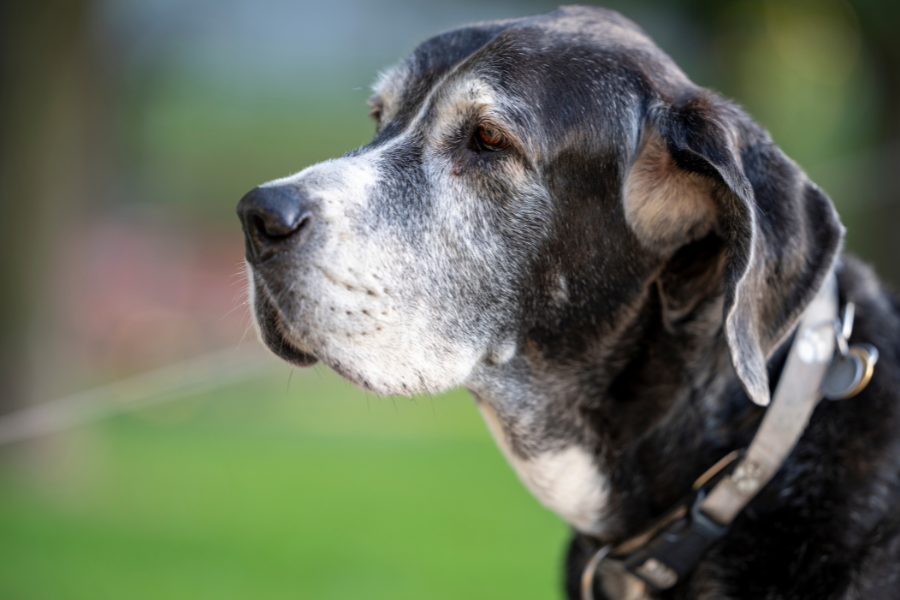
As pets grow older, subtle changes in their behavior and health can signal that they are entering their senior years. Recognizing the early warning signs of aging in dogs and cats allows pet owners to seek veterinary care before minor issues become serious problems. Early detection often leads to better treatment options and a higher quality of life. This guide explains the 7 early warning signs of aging in dogs and cats, why they happen, and what you can do to help your pet stay healthy and comfortable throughout their golden years.
What Happens as Dogs and Cats Age?
Aging is a natural part of your pet’s life, bringing changes that may affect their mobility, energy levels, and overall health. With proper senior pet care, early signs of age-related concerns can be identified and managed, helping your companion stay comfortable and enjoy a better quality of life.
Common age-related changes include:
- Slower metabolism
- Reduced muscle mass
- Joint stiffness
- Vision and hearing decline
- Dental problems
- Changes in cognitive function
- Weaker immune system
Knowing what is normal and what deserves a veterinary evaluation can make a significant difference in your pet’s long-term health.
1. Decreased Energy and Activity Levels
One of the earliest warning signs of aging in dogs and cats is a noticeable decline in energy.
You may notice your pet:
- Sleeps more during the day
- Shows less interest in walks or playtime
- Tires easily
- Avoids climbing stairs or jumping
Although older pets naturally become less active, sudden or significant lethargy could indicate:
- Arthritis
- Heart disease
- Kidney disease
- Thyroid disorders
- Chronic pain
What You Can Do
- Keep daily exercise gentle and consistent.
- Monitor changes over several weeks.
- Schedule a veterinary examination if activity levels drop dramatically.
2. Weight Changes Without Diet Changes
Unexpected weight gain or weight loss should never be ignored.
Weight Gain
Older pets often become less active while maintaining the same calorie intake, leading to obesity.
Excess weight increases the risk of:
- Arthritis
- Diabetes
- Heart disease
- Reduced mobility
Weight Loss
Unexplained weight loss may be associated with:
- Dental disease
- Cancer
- Kidney disease
- Hyperthyroidism in cats
- Digestive disorders
Tips
- Weigh your pet monthly if possible.
- Feed age-appropriate nutrition.
- Report unexplained weight changes to your veterinarian.
3. Difficulty Moving or Stiffness
Joint problems become increasingly common with age.
Signs include:
- Limping
- Difficulty standing
- Reluctance to jump
- Trouble getting into the car
- Slower walks
- Hesitation on stairs
Many owners mistakenly assume these changes are simply “old age,” but they often indicate arthritis or other orthopedic conditions that can be managed successfully.
Ways to Help
- Provide orthopedic bedding.
- Use ramps instead of stairs when possible.
- Maintain a healthy weight.
- Ask your veterinarian about pain management and joint supplements.
4. Changes in Eating or Drinking Habits
A healthy appetite is generally a good indicator of wellness.
Watch for:
- Eating less
- Increased hunger
- Drinking excessive amounts of water
- Difficulty chewing
- Food dropping from the mouth
These symptoms may signal:
- Dental disease
- Diabetes
- Kidney disease
- Liver disease
- Hormonal disorders
Likewise, a pet that suddenly stops eating should be evaluated promptly.
Monitoring Tips
Keep track of:
- Daily food intake
- Water consumption
- Treat consumption
- Appetite changes lasting more than 24 to 48 hours
5. Behavioral or Cognitive Changes
Just like humans, senior pets can experience age-related cognitive decline.
Common signs include:
- Confusion
- Getting stuck in corners
- Wandering aimlessly
- Forgetting house training
- Increased anxiety
- Nighttime vocalization
- Reduced interaction with family
These behaviors may indicate cognitive dysfunction syndrome rather than normal aging.
Helping Your Pet
- Maintain consistent routines.
- Provide mental enrichment.
- Avoid sudden environmental changes.
- Seek veterinary guidance if behaviors worsen.
Early intervention may help slow progression and improve quality of life.
6. Vision or Hearing Loss
Sensory changes often develop gradually, making them easy to overlook.
Vision Problems
You might notice your pet:
- Bumps into furniture
- Hesitates in unfamiliar places
- Has cloudy eyes
- Avoids dim lighting
Hearing Problems
Signs include:
- Doesn’t respond when called
- Sleeps through loud noises
- Appears startled when approached
While some decline is expected with age, cataracts, glaucoma, high blood pressure, or ear disease may require treatment.
Ways to Support Them
- Keep furniture arrangements consistent.
- Use hand signals for hearing-impaired dogs.
- Approach sleeping pets gently.
- Keep outdoor pets supervised.
7. Dental Problems and Bad Breath
Dental disease is among the most common health issues affecting older dogs and cats.
Warning signs include:
- Persistent bad breath
- Red or bleeding gums
- Loose teeth
- Dropping food
- Excessive drooling
- Pawing at the mouth
Untreated dental disease can allow bacteria to enter the bloodstream and potentially affect the heart, liver, and kidneys.
Preventive Care
Good dental health includes:
- Regular veterinary dental exams
- Professional cleanings when recommended
- Daily tooth brushing if possible
- Dental diets or approved dental treats
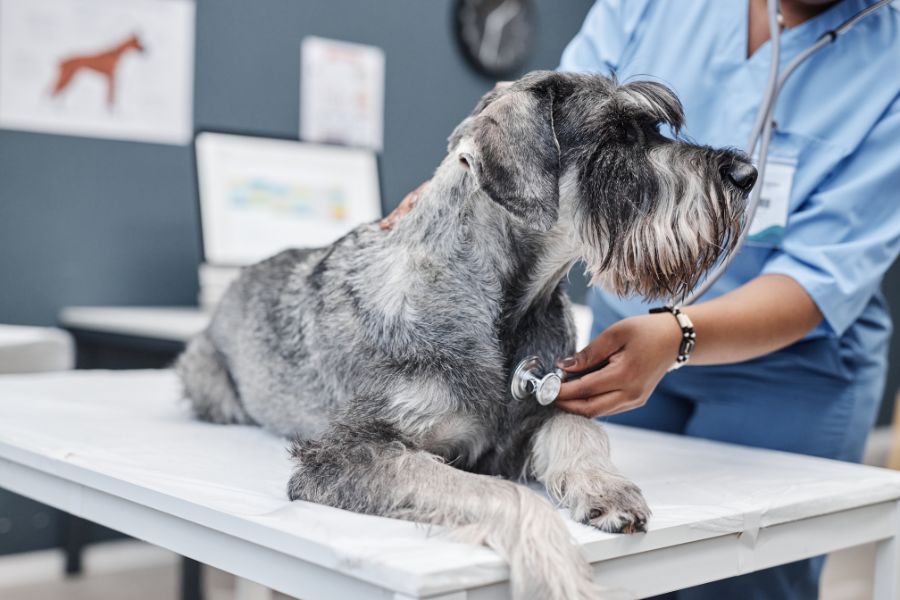
Why Routine Senior Wellness Exams Matter
Many diseases associated with aging develop gradually and may not show obvious symptoms until they become advanced.
Senior wellness visits often include:
- Comprehensive physical examination
- Weight assessment
- Blood testing
- Urinalysis
- Blood pressure evaluation
- Dental assessment
- Discussion of nutrition and mobility
For many senior pets, veterinary visits every six months help detect problems earlier than annual exams alone.
How to Keep Your Aging Pet Healthy
Simple lifestyle adjustments can improve comfort and longevity:
- Feed a balanced senior diet
- Keep your pet at a healthy weight
- Encourage moderate daily exercise
- Provide soft bedding
- Maintain regular dental care
- Keep vaccinations and parasite prevention current
- Monitor behavior and mobility changes
- Schedule routine wellness exams
Small observations made at home often provide valuable information that helps veterinarians diagnose problems early.
Conclusion
Recognizing the 7 early warning signs of aging in dogs and cats can lead to earlier diagnosis, better treatment, and a happier life for your companion. Changes in energy, weight, mobility, appetite, behavior, senses, or dental health should never be dismissed as simply “getting old.” Proactive senior care helps senior pets remain comfortable and active for as long as possible. If you’ve noticed any of these signs, schedule a wellness examination with Parkland Animal Clinic in Parkland, FL, to discuss a personalized care plan for your aging pet.
FAQs
1. At what age is a dog or cat considered a senior?
Ans: Most dogs are considered seniors between 7 and 10 years of age, depending on their size, while many cats enter their senior years around age 10. Larger dog breeds often age faster than smaller breeds.
2. Are slowing down and sleeping more normal signs of aging in dogs and cats?
Ans: Some decrease in activity is expected, but significant lethargy or sudden changes may indicate arthritis, heart disease, or other medical conditions that require veterinary evaluation.
3. Why is my older pet drinking more water?
Ans: Increased thirst can be an early sign of kidney disease, diabetes, hormonal disorders, or other health problems. It should be evaluated by a veterinarian, especially if it develops suddenly.
4. Can arthritis in senior pets be treated?
Ans: Yes. Arthritis can often be managed through weight control, appropriate exercise, pain medications, joint supplements, rehabilitation therapy, and environmental modifications recommended by your veterinarian.
5. How often should senior dogs and cats visit the veterinarian?
Ans: Most veterinarians recommend wellness examinations every six months for senior pets because health conditions can develop and progress more rapidly with age, making early detection especially important.