8017 N. University Dr, Parkland, FL 33067


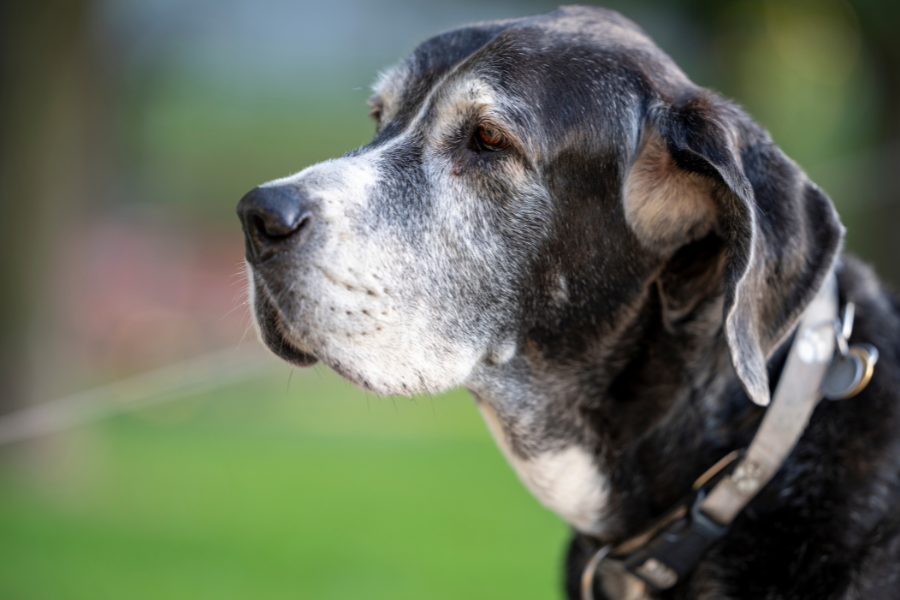
Watching a beloved pet grow older is a deeply emotional experience. The playful puppy who once raced through the house now moves a little slower. The curious cat who jumped effortlessly onto shelves may hesitate before climbing. For pet parents, these changes often raise important questions: Am I doing enough? Is this normal aging, or does my pet need extra help?
Senior pets rely on us more than ever, and the right care can make their golden years comfortable, dignified, and full of affection. This guide explores three essential pillars: nutrition, mobility, and monitoring, which work together to support aging pets. By understanding how these areas connect, pet owners can make confident decisions, partner effectively with animal hospitals and animal clinics, and ensure their companions receive the thoughtful support they deserve as they age.
What This Means for Your Pet’s Health
Aging is not a disease, but it does change how a pet’s body functions. Metabolism slows, joints stiffen, senses dull, and internal organs require closer attention. This is where senior pet care services play a critical role in helping pets transition smoothly into their later years.
Balanced nutrition supports organ function and immune health. Proper mobility care protects joints and muscles from unnecessary strain. Consistent monitoring helps catch subtle changes before they become serious concerns. Together, these three pillars create a proactive approach that focuses on comfort, prevention, and quality of life, rather than reacting only when problems arise.
Key Benefits for Local Pet Owners
Senior-focused care offers meaningful advantages for both pets and the people who love them. When these pillars are addressed consistently through trusted veterinary hospital teams and animal clinics, pet owners often notice:
- Improved comfort and energy through tailored diets and joint support
- Earlier detection of health issues reduces the risk of emergencies
- Better pain management, especially for arthritis and mobility challenges
- Longer independence for pets who can move, eat, and rest more easily
- Peace of mind knowing a skilled veterinary team is guiding care decisions
Preventive attention doesn’t just add years to a pet’s life; it adds life to those years.
Practical Tips You Can Use at Home
Supporting an aging pet doesn’t start and end at the exam table. Small, consistent actions at home can make a significant difference.
Nutrition adjustments:
Choose age-appropriate diets designed for senior pets. These often include controlled calories, added fiber, and supplements for joints and brain health. Measure portions carefully, and consult a veterinary hospital if weight changes appear suddenly.
Mobility support:
Provide non-slip rugs, orthopedic bedding, and easy access to favorite resting spots. Gentle, regular exercise, such as short walks or light play, helps maintain muscle tone without stressing joints.
Daily observation:
Monitor appetite, water intake, bathroom habits, and behavior. Subtle shifts, such as increased sleeping or reluctance to climb stairs, can signal underlying issues best addressed by animal hospitals.
Mental enrichment:
Older pets still enjoy stimulation. Puzzle feeders, new scents, or calm interactive play can support cognitive health and emotional well-being.
These home-based efforts work best when paired with professional guidance from experienced animal clinics.
How Our Veterinary Team Supports the Community
At Parkland Animal Clinic, senior pets are treated with the respect and individualized attention they deserve. Our experienced veterinarians understand that no two aging pets are the same. Care plans are customized, combining diagnostic monitoring, nutritional counseling, and mobility-focused treatments under one roof.
Through modern diagnostic tools and compassionate consultations, our team collaborates closely with families, explaining options clearly and answering questions honestly. This approach reflects the broader standard of excellence seen in senior pet care settings, where continuity of care and trust are central. From routine wellness exams to coordinated referrals with animal hospitals, the goal is always the same: to help pets stay comfortable, active, and connected to the people who love them.
Senior pets give us a lifetime of loyalty, and their later years deserve thoughtful attention. By focusing on nutrition, mobility, and monitoring, pet owners can create a supportive environment that adapts as needs change. With guidance from trusted animal clinics near you and veterinary hospital professionals, aging doesn’t have to mean decline; it can mean comfort, stability, and continued joy. If your pet is entering their senior years, book an appointment today to discuss a personalized care plan and ensure they receive the attentive support they need in Parkland.
FAQs
Q1: How often should senior pets visit a veterinarian?
Ans: Most senior pets benefit from wellness exams every six months. These visits allow animal hospitals to detect changes early and adjust care plans proactively.
Q2: What are common signs of mobility issues in older pets?
Ans: Stiffness after rest, reluctance to jump, limping, or changes in posture can all indicate joint discomfort. A veterinary hospital can assess and recommend appropriate support.
Q3: Do senior pets need special diets?
Ans: Yes, many older pets require diets formulated for aging bodies. These diets support digestion, weight control, and joint health, often with added supplements.
Q4: Is weight gain normal in senior pets?
Ans: While metabolism slows with age, sudden or excessive weight gain is not normal. Regular monitoring through animal clinics helps manage healthy body condition.
Q5: Can cognitive decline be managed in older pets?
Ans: Cognitive changes can often be supported with dietary adjustments, enrichment activities, and veterinary guidance. Early recognition is key.
Q6: When should I consider more advanced diagnostic testing?
Ans: If your pet shows persistent changes in behavior, appetite, or energy, advanced diagnostics at a veterinary hospital may help identify underlying conditions early.