8017 N. University Dr, Parkland, FL 33067

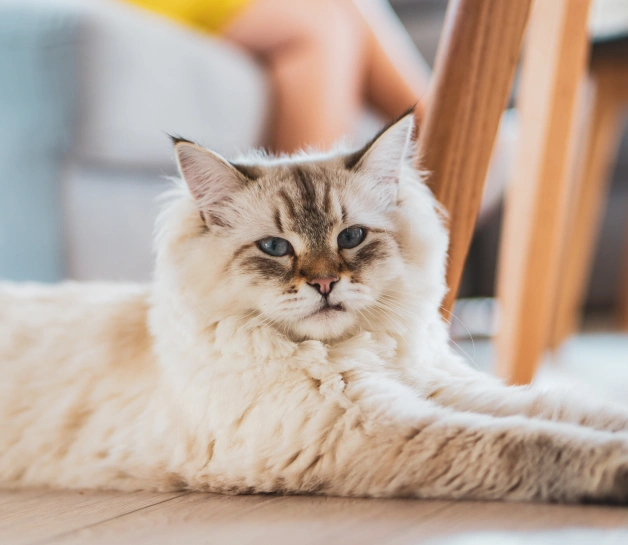
Why Is Senior Cat Care Important for Your Cat’s Health?
As cats age, their health needs evolve, and providing the right care during their senior years is crucial. Senior cat care ensures that your feline companion continues to live a comfortable, healthy, and happy life. With regular veterinary checkups and a tailored care plan, you can address any health issues early and give your cat the best chance for a fulfilling life as they age. At Parkland Animal Clinic, we specialize in senior cat care in Parkland, offering personalized care to support your cat through their golden years.
What Age is Considered Senior for Cats in Parkland, FL?
Most cats are considered to be seniors when they reach seven years of age, although this can vary depending on the breed and size of your cat. Larger breeds typically age faster than smaller ones. Senior cats often show signs of slowing down, such as sleeping more, having less energy, and having difficulty moving. As your cat ages, their health needs change, so it’s important to monitor their well-being more closely and provide regular checkups to ensure they stay healthy and comfortable.
What Happens During a Senior Cat Wellness Exam at Parkland Animal Clinic?
Senior care for cats, including wellness exams, is essential for detecting age-related health issues and keeping your cat comfortable as they grow older. During these exams, our veterinarians conduct a thorough checkup to assess your cat’s overall health and identify any signs of disease or discomfort. The exam typically includes:
- Physical exam to check for abnormalities in body condition and overall health
- Dental evaluation to detect gum disease, tooth decay, and oral pain
- Blood tests to check for kidney issues, liver function, and other potential problems
- Urine analysis to monitor kidney health and identify any urinary tract infections
- Joint mobility check to detect stiffness, pain, or signs of arthritis.
- Vision and hearing assessment to identify changes in sensory perception
Comprehensive exams help our team tailor a care plan that best suits your senior cat’s specific needs, ensuring they stay healthy, happy, and comfortable.
What Are the Common Health Issues in Senior Cats?
As cats enter their senior years, they are more susceptible to certain health conditions. Some of the most common issues that arise in senior cats include:
Arthritis and Joint Issues
Arthritis is a common condition in aging cats that causes joint pain and stiffness, making it difficult for your cat to move around, jump, or climb, significantly impacting their quality of life.
Kidney Disease
Chronic kidney disease (CKD) is prevalent in older cats and can cause symptoms like increased thirst, frequent urination, and weight loss. Early detection through regular exams and blood tests is crucial for managing this condition.
Dental Disease
Dental disease is common in senior cats, including gingivitis, tooth decay, and gum disease. These conditions can cause pain and make eating difficult. Regular dental exams and cleanings are essential for preventing these problems.
Hyperthyroidism
This condition, which involves an overactive thyroid, can lead to symptoms such as weight loss, increased appetite, and hyperactivity. It is common in senior cats and can be managed through medication or other treatments.
Obesity
Obesity is a growing concern in senior cats, as their metabolism tends to slow down with age. Maintaining a healthy weight is important to prevent joint strain, diabetes, and other health complications.
How Can I Tell if My Senior Cat Is in Pain or Needs Veterinary Care?
As your cat ages, it’s important to recognize signs of discomfort or pain. Senior cats may not always show obvious signs of pain, so being attentive to subtle changes in their behavior is key. Common signs that your senior cat may be in pain or need veterinary attention include:
- Lethargy or reduced activity levels
- Changes in appetite or difficulty eating
- Frequent vocalizing or signs of irritability
- Difficulty moving or reluctance to jump or climb
- Increased rest periods or signs of weakness
If you notice any of these changes, it’s important to schedule a veterinary visit as soon as possible. Early detection of pain or health issues can prevent further complications and help maintain your cat’s quality of life.

What Are the Best Ways to Support Your Senior Cat at Home?
In addition to regular senior care for cats, there are simple steps you can take at home to support your senior cat’s health and comfort:
- Provide a soft, supportive bed: Older cats often experience joint pain, so a comfortable, cushioned bed can help them rest more easily.
- Adjust food and water bowls: Make sure their bowls are easy to access, especially if your cat has mobility issues.
- Encourage gentle exercise: Short, low-impact play sessions can help maintain muscle strength and joint health.
- Create a safe, calm environment: Minimize stress and noise to help your cat feel comfortable and secure.
- Maintain a balanced diet: Choose food that supports your cat’s age and health needs, such as joint health or kidney function.
These small changes can make a big difference in your senior cat’s comfort and well-being.
How Can Senior Cat Care Improve Your Cat’s Quality of Life?
Providing care for your aging cat can significantly improve your cat’s quality of life. Routine veterinary checkups, tailored care plans, and lifestyle adjustments can help detect and manage common health issues before they become serious. By addressing pain, mobility issues, and other age-related concerns, you can ensure your senior cat remains comfortable and active for as long as possible.
Why Should I Schedule Senior Cat Care With a Vet?
At Parkland Animal Clinic, we understand that your senior cat’s health is important to you. Our team is dedicated to providing compassionate care and personalized treatment to meet the unique needs of aging cats. With our proficiency and commitment to preventive care, we help ensure your cat enjoys a long, healthy life.
If your cat is entering their senior years, now is the time to schedule a wellness exam and start planning for their future care. Senior cat care in Parkland has never been more important for maintaining your cat’s comfort and quality of life.
Frequently Asked Questions
Various factors, such as dental pain, kidney disease, or gastrointestinal issues, can cause a decreased appetite in senior cats. If your cat is eating significantly less or refusing food, a thorough veterinary checkup is essential. Your vet may recommend an appetite stimulant or a dental care plan.