8017 N. University Dr, Parkland, FL 33067

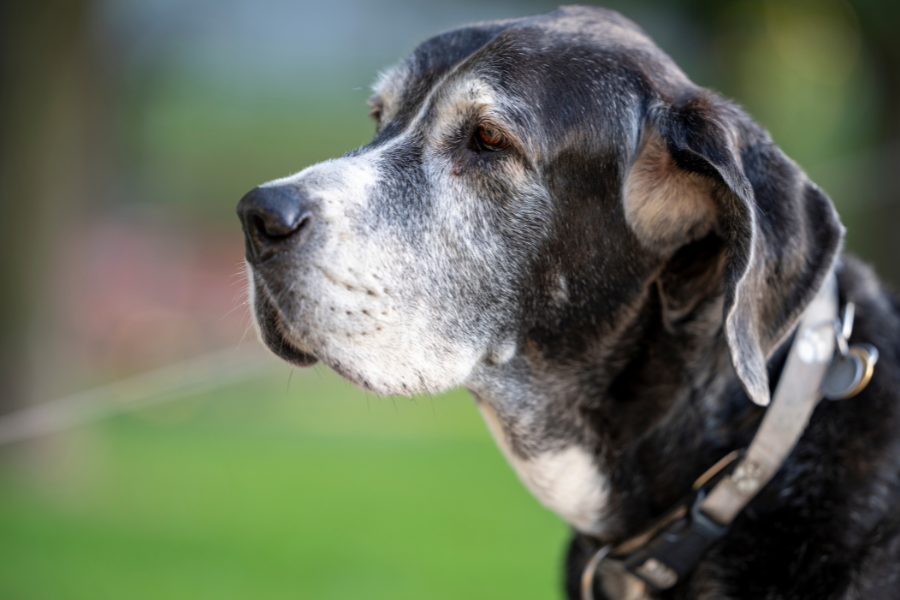
Getting older is a natural part of life for dogs and cats, but aging can bring changes that deserve attention. A pet may sleep more, move a little slower, or take longer to finish a meal. Some changes are normal with age, while others can be early signs of an underlying health problem. Recognizing senior pet health issues early can help your veterinarian identify problems sooner and support your pet’s comfort. At Parkland Animal Clinic in Parkland, FL, pet owners can seek guidance when an older pet’s behavior, appetite, movement, or daily habits begin to change. This guide covers 10 common health concerns in senior pets, the early signs to watch for, and when a veterinary examination may be needed.
What Are the Most Common Health Issues in Senior Pets?
Common health problems in older pets include arthritis, dental disease, kidney disease, heart disease, diabetes, thyroid disorders, vision or hearing changes, cognitive decline, cancer, and weight changes. These conditions can develop gradually, so early signs may be easy to overlook.
Your pet cannot tell you when something feels different. Small changes in routine may be the first clue that an older dog or cat needs an examination.
Watch for changes such as:
- Drinking or urinating more often
- Losing or gaining weight
- Difficulty getting up or walking
- Changes in appetite
- Bad breath or trouble chewing
- Sleeping much more than usual
- Confusion or unusual behavior
- Persistent coughing
- New lumps or swelling
- Changes in vision or hearing
Not every change means your pet is sick, but persistent or worsening changes deserve attention.
1. Arthritis and Joint Problems
Arthritis is a common concern in aging pets. It affects the joints and can make everyday movements uncomfortable.
The signs may be subtle at first. Your dog may hesitate before climbing stairs, while your cat may stop jumping onto furniture.
Early signs include:
- Stiffness after resting
- Slower walking
- Difficulty standing
- Reluctance to use stairs
- Less interest in play
- Changes in grooming
- Avoiding jumps or favorite resting spots
Pets do not always cry or limp when they are in pain. A gradual reduction in activity can be just as important as an obvious limp.
If your senior pet is moving differently, a veterinarian can assess their joints and discuss ways to support comfort and mobility.
2. Dental Disease
Dental disease becomes increasingly important as pets age. Plaque and tartar can build up over time, irritating the gums and affecting the tissues around the teeth.
Some pets continue eating normally despite mouth pain, which can make dental problems difficult to recognize.
Watch for:
- Persistent bad breath
- Red or bleeding gums
- Drooling
- Dropping food
- Chewing differently
- Pawing at the mouth
- Reluctance to eat hard food
Regular oral examinations can help identify dental concerns before they become more advanced. If your pet suddenly changes how they eat, their mouth should be considered as a possible source of discomfort.
3. Kidney Disease
Kidney function can decline with age, and kidney disease is one of the important senior pet health issues to monitor. Early changes may be subtle and can resemble normal aging.
Increased thirst and urination are common signs. As kidney problems progress, pets may develop reduced appetite, weight loss, vomiting, or low energy.
Look for:
- Increased water consumption
- More frequent urination
- Changes in appetite
- Weight loss
- Vomiting
- Reduced energy
- Changes in coat condition
Routine veterinary examinations and appropriate testing can help identify changes in kidney function. Earlier detection may give your veterinarian more opportunities to support your pet’s health.
4. Heart Disease
Heart disease can affect older dogs and cats, although the signs can vary. Some pets show few obvious symptoms during the early stages.
A cough, reduced stamina, faster breathing, or reluctance to exercise may be worth discussing with your veterinarian.
Potential warning signs include:
- Coughing
- Reduced activity
- Getting tired quickly
- Difficulty breathing
- Weakness
- Fainting or collapse
- Changes in normal exercise tolerance
A senior pet that suddenly struggles with activities they previously enjoyed should be evaluated. Breathing difficulty, collapse, or severe weakness requires prompt veterinary attention.
5. Diabetes
Diabetes occurs when the body cannot properly regulate blood sugar. In dogs and cats, increased thirst and urination can be important early clues.
Your pet may also lose weight despite maintaining a good appetite. Changes in energy levels can occur as the condition progresses.
Watch for:
- Drinking more water
- Urinating more often
- Increased appetite
- Unexplained weight loss
- Low energy
- Changes in body condition
These signs can also occur with other conditions, so they do not confirm diabetes on their own. Veterinary testing is needed to determine what is causing the changes.
6. Thyroid Disorders
Thyroid problems can affect older pets, with signs varying between dogs and cats. Cats may develop increased appetite, weight loss, restlessness, or increased activity, while dogs can show different patterns.
Because these changes can overlap with other health concerns, an examination is important.
Possible signs include:
- Unexplained weight changes
- Changes in appetite
- Increased thirst
- Changes in energy
- Restlessness or unusual behavior
- Changes in coat quality
A veterinarian may recommend blood testing when thyroid disease or another metabolic condition is suspected.
7. Vision and Hearing Changes
Older pets can experience changes in their senses. You may notice your dog hesitating in unfamiliar areas or your cat becoming startled when approached from behind.
Some changes happen gradually, allowing pets to adapt surprisingly well.
Signs can include:
- Bumping into objects
- Hesitating on stairs
- Difficulty finding toys
- Startling easily
- Not responding to familiar sounds
- Becoming less confident in unfamiliar spaces
Make your home easier to navigate by keeping furniture in familiar places and reducing unnecessary obstacles. If you notice a sudden change in vision or hearing, contact your veterinarian because sudden sensory changes may need prompt evaluation.
8. Cognitive Changes
Some senior pets develop changes in memory, awareness, and behavior. This is sometimes described as cognitive decline.
Your pet may appear confused or become unsettled at times when they previously behaved normally. Changes in sleep patterns can also occur.
Common signs include:
- Getting lost in familiar areas
- Staring at walls or into space
- Increased nighttime restlessness
- Changes in interaction with family
- House-soiling
- Repetitive behaviors
- Appearing confused
These signs should not automatically be blamed on old age. Pain, sensory changes, and other medical conditions can produce similar behaviors.
A veterinary examination can help rule out other causes and guide appropriate support.
9. Cancer and New Lumps
Cancer becomes more common as pets age, but not every lump or growth is cancerous. Still, a new or changing lump should be checked rather than ignored.
Pay attention to:
- New lumps
- A lump that grows
- Changes in skin color
- Sores that do not heal
- Unexplained weight loss
- Reduced appetite
- Persistent weakness
Your veterinarian may recommend additional testing based on the location and appearance of a growth.
Finding a lump does not mean your pet has cancer. It simply means the change deserves a professional evaluation.
10. Weight and Muscle Changes
Weight changes can be easy to miss, especially when they happen gradually. Older pets may lose muscle even when their body weight does not change dramatically. Unexplained weight loss can occur with several health conditions. Weight gain may also increase stress on aging joints and make movement more difficult.
Monitor your pet for:
- A thinner appearance
- Loss of muscle over the back or legs
- A larger waistline
- Reduced activity
- Changes in appetite
- Difficulty maintaining a healthy body condition
Regular weight checks can help identify gradual changes earlier. Your veterinarian can assess body condition and recommend nutrition and activity adjustments based on your pet’s individual needs.
How Are Senior Pet Health Issues Diagnosed?
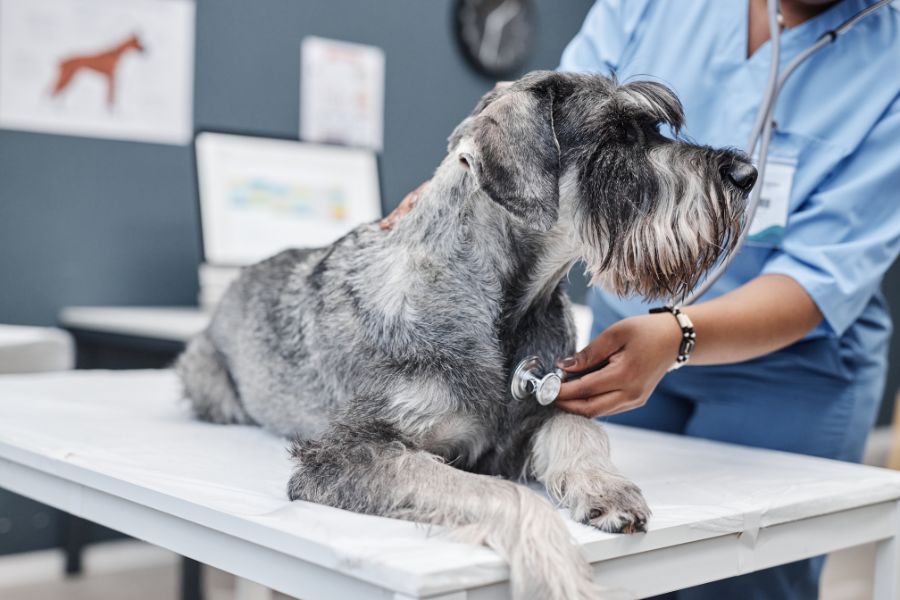
Veterinarians begin with a physical examination and a discussion about changes you have noticed at home. Depending on your pet’s age, symptoms, and medical history, additional testing may help identify problems that cannot be detected through an exam alone.
A senior pet evaluation may involve:
- Reviewing appetite, thirst, urination, and bowel habits.
- Checking weight and body condition.
- Examining the heart and lungs.
- Assessing joints and movement.
- Looking at the teeth, gums, eyes, and ears.
- Recommending appropriate laboratory or diagnostic testing.
A hypothetical example illustrates why small changes matter. An older Labrador began taking longer to stand after naps and stopped joining the family on longer walks. During an examination, the veterinarian identified signs consistent with joint discomfort and discussed a care plan to help the dog remain comfortable and active.
This is a hypothetical example, not a specific patient case.
What Can Owners Do to Support an Aging Pet?
Senior pets benefit from consistent routines and close observation. You know your pet’s normal habits better than anyone, so noticing small changes can be valuable.
Helpful habits include:
- Keep track of weight and appetite.
- Watch drinking and urination patterns.
- Pay attention to movement.
- Check the mouth for visible changes.
- Monitor new lumps or skin changes.
- Keep resting areas comfortable and easy to access.
- Schedule regular veterinary examinations.
- Tell your veterinarian about changes in behavior or routine.
Do not assume that slowing down is simply part of getting older. While some age-related changes are normal, pain and illness can often be addressed when identified.
When Should You Take a Senior Pet to the Vet?
A routine veterinary appointment is appropriate for gradual changes such as reduced activity, mild weight changes, or increasing difficulty with normal activities. However, some symptoms require more immediate attention.
Seek prompt veterinary care if your senior pet develops:
- Difficulty breathing
- Collapse or fainting
- Severe weakness
- Repeated vomiting
- Sudden inability to walk
- Significant pain
- Sudden confusion or major behavior changes
- Refusal to eat for an extended period
- Rapid abdominal swelling
- Sudden vision changes
Senior pets can have more than one health condition at the same time. That is why a new symptom should be considered in the context of your pet’s overall health rather than dismissed as a normal part of aging.
Conclusion
Aging does not mean your pet has to stop enjoying daily life. Arthritis, dental disease, kidney problems, heart disease, diabetes, thyroid disorders, sensory changes, cognitive decline, cancer, and weight changes are among the concerns that can affect older pets. The key is recognizing changes early and discussing them with your veterinarian instead of assuming they are simply signs of getting older. If you notice possible senior pet health issues, Parkland Animal Clinic in Parkland, FL can help evaluate your pet and determine appropriate next steps. Consistent senior pet care that includes checkups, careful observation, and a comfortable home routine can all support your pet as they move through their senior years.
FAQs
Q1: What are the most common health problems in senior pets?
A: Common concerns include arthritis, dental disease, kidney disease, heart disease, diabetes, thyroid disorders, sensory changes, cognitive decline, cancer, and weight or muscle changes. Not every older pet will develop these conditions.
Q2: What are the early signs of illness in an older pet?
A: Changes in appetite, thirst, urination, weight, activity, sleep, behavior, chewing, or movement can be early warning signs. Even subtle changes that persist should be discussed with a veterinarian.
Q3: How often should a senior dog or cat see a veterinarian?
A: The appropriate schedule depends on your pet’s age, health, and individual risks. Your veterinarian can recommend how often examinations and testing should be performed.
Q4: Are senior pet health issues expensive to treat?
A: Costs vary widely depending on the condition, diagnostic testing, and treatment required. Discussing changes early may help your veterinarian identify the problem and explain available care options.
Q5: When should I take my senior pet to the vet?
A: Make an appointment for persistent changes in appetite, weight, thirst, urination, movement, or behavior. Seek prompt veterinary care for breathing difficulty, collapse, severe weakness, sudden inability to walk, or significant pain.