8017 N. University Dr, Parkland, FL 33067

Dental pain is one of the most commonly overlooked sources of chronic discomfort in pets, and it often develops quietly. Many pet parents assume bad breath or slower eating is just part of aging, but these subtle changes can signal something deeper. Dental disease doesn’t just affect the mouth it can influence your pet’s entire body, mood, and quality of life. Understanding early warning signs can help you protect your pet’s comfort and avoid preventable health complications later on.
What This Means for Your Pet’s Health
When dental pain goes unnoticed, it doesn’t stay limited to the teeth and gums. Bacteria from the mouth can travel through the bloodstream, affecting the heart, kidneys, and liver. Pets experiencing ongoing oral discomfort may become withdrawn, less playful, or irritable without obvious injury. Changes like chewing on one side, dropping food, or avoiding toys are often dismissed as behavioral quirks.
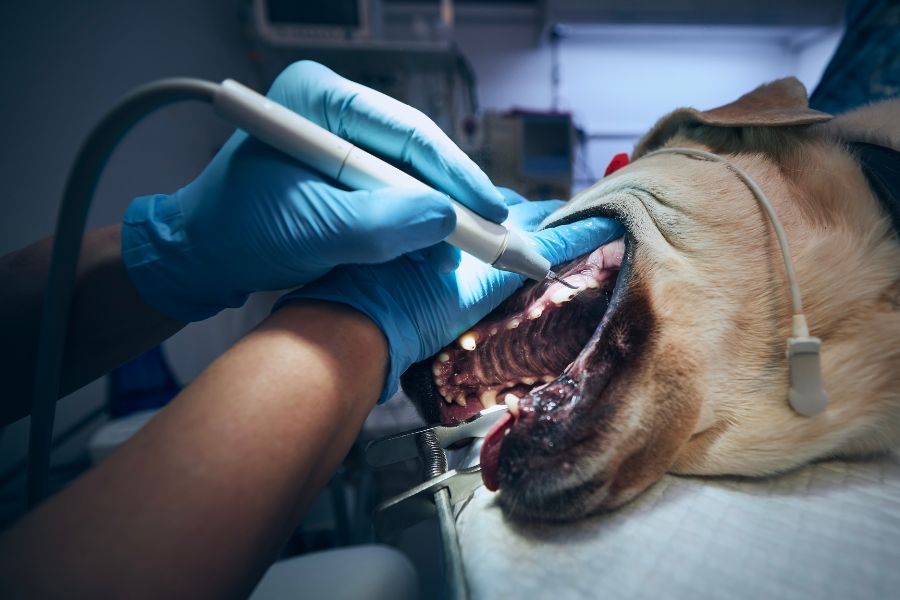
Professional pet dental care focuses on identifying these hidden issues before they progress. Oral infections can worsen silently, making early detection essential. Left untreated, dental disease can lead to tooth loss, jaw infections, and systemic illness. Regular evaluations at a veterinary hospital allow veterinarians to assess not just visible tartar but also gum health, tooth stability, and underlying infection.
Key Benefits for Local Pet Owners
Addressing dental pain early provides both immediate and long-term advantages for pets and their families.
- Improved appetite and digestion once chewing becomes comfortable again
- Better breath and cleaner teeth, making close bonding more enjoyable
- Reduced the risk of costly emergency procedures later
- Increased energy, playfulness, and emotional well-being
- Peace of mind knowing hidden pain isn’t affecting daily life
Routine dental services offered through animal hospitals and animal clinics are an important part of preventive care. Early intervention helps avoid advanced disease that often requires more invasive treatment.
Practical Tips You Can Use at Home
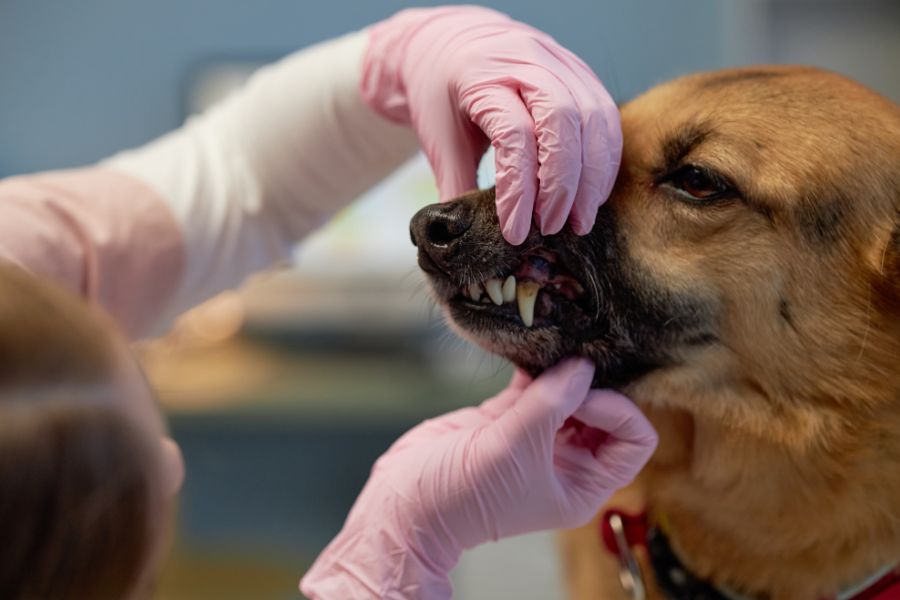
Pet owners play a vital role in spotting dental discomfort early. Small daily observations can reveal big clues. Start by watching how your pet eats. Hesitation, chewing slowly, or favoring one side of the mouth can indicate soreness. Bad breath that persists even after diet changes is another red flag. You may also notice pawing at the mouth, drooling, or sensitivity when the face is touched. At home, establish gentle oral care habits. Using pet-safe toothbrushes and dental chews supports overall oral hygiene, but these tools don’t replace professional exams. If brushing isn’t possible, even regular mouth checks help you notice changes early. When you see redness, swelling, or broken teeth, it’s time to seek help from experienced animal clinics or a veterinary hospital equipped to manage dental conditions safely.
How Our Veterinary Team Supports the Community
At Parkland Animal Clinic, dental health is treated as a core part of whole-body wellness. Our experienced veterinarians understand that dental pain affects more than just eating; it impacts behavior, longevity, and comfort. Through personalized dental evaluations, safe anesthesia protocols, and advanced diagnostics, our team works to uncover problems that pets can’t communicate.
As a trusted veterinary hospital in Parkland, we collaborate closely with local pet families to build dental care plans tailored to each life stage. From routine cleanings to advanced dental treatments, our animal hospital team prioritizes education and transparency so pet owners feel confident in every decision. This commitment helps strengthen the bond between pets and the people who love them.
Dental pain doesn’t always announce itself loudly, but its impact can be profound. By recognizing subtle signs and acting early, you can spare your pet unnecessary discomfort and protect their long-term health. Proactive dental services and routine checkups make a meaningful difference in quality of life. If you’ve noticed changes in your pet’s eating habits, breath, or behavior, now is the right time to contact the veterinarian near you. Schedule an appointment and give your pet the comfort they deserve right here in Parkland.
FAQs
Q1: How do I know if my pet has dental pain?
Ans: Common signs include bad breath, difficulty chewing, pawing at the mouth, and behavioral changes. A veterinary exam is the only way to confirm the cause.
Q2: Is dental disease common in young pets?
Ans: Yes, dental issues can start early, especially without preventive care. Regular exams help catch problems before they worsen.
Q3: Are professional cleanings really necessary?
Ans: Home care helps, but it can’t remove plaque below the gumline. Professional cleanings at animal hospitals are essential for complete oral health.
Q4: Can dental problems affect my pet’s overall health?
Ans: Absolutely, Oral bacteria can impact major organs, making dental care an important part of preventive medicine.
Q5: How often should my pet’s teeth be checked?
Ans: Most pets benefit from annual dental evaluations, though some may need more frequent monitoring based on breed or health history.
Q6: What should I expect during a dental visit?
Ans: Your pet receives a full oral exam, imaging if needed, and a customized treatment plan focused on comfort and safety.