8017 N. University Dr, Parkland, FL 33067

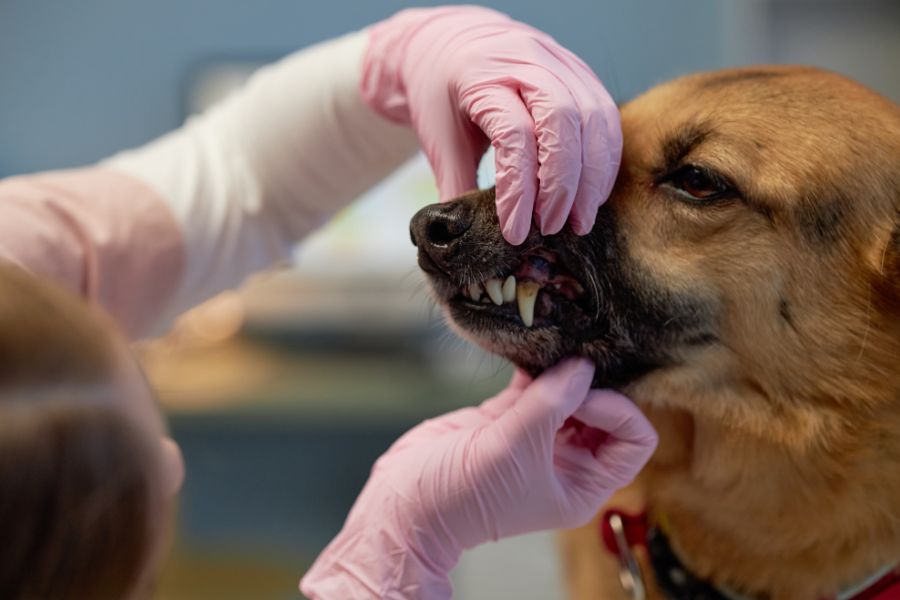
Your pet’s smile may look healthy on the outside, but what lies beneath the gumline often tells a very different story. Dental disease is one of the most common health problems in dogs and cats, and much of it develops silently. By the time bad breath, swelling, or visible tartar appear, damage may already be advanced. That’s why dental X-rays are such an important part of modern Dentistry for pets. They allow veterinarians to see below the surface, detect hidden problems early, and protect your pet from unnecessary pain.
Why Dental Health Matters More Than You Think?
Many pet owners assume that dental care is mostly about clean teeth and fresh breath. In reality, oral health affects the entire body. Infections in the mouth can spread to the heart, liver, and kidneys. Painful teeth can make pets avoid food, leading to weight loss or behavior changes. More than 70% of dogs and cats over the age of three show signs of periodontal disease. The challenge is that most dental disease happens below the gumline, where you cannot see it during a simple visual exam. Without dental X-rays, nearly half of dental problems can go undetected.
What Are Dental X-Rays in Veterinary Dentistry?
Dental X-rays, also called dental radiographs, are detailed images taken of your pet’s teeth, roots, jawbone, and surrounding structures. Unlike regular X-rays, dental radiographs focus on individual teeth and provide high-resolution images of areas hidden under the gums.
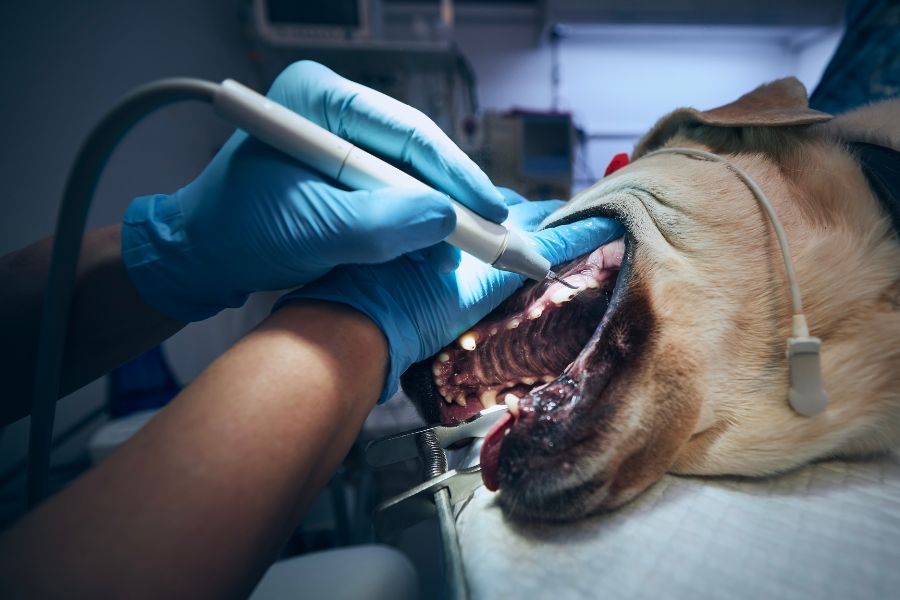
During a professional dental cleaning at an animal hospital, your pet is safely placed under anesthesia. This allows the veterinary team to clean thoroughly and take precise X-rays without movement. The images help detect problems that would otherwise remain invisible.
What Dental X-Rays Can Reveal?
Dental X-rays give your veterinarian a complete picture of your pet’s oral health. Here’s what they can uncover:
1. Tooth Root Infections
A tooth may look normal above the gumline but have an infected root. These infections are painful and can lead to abscesses if untreated.
2. Bone Loss
Periodontal disease causes the bone around teeth to break down. X-rays measure how much bone support remains and guide treatment decisions.
3. Fractured Teeth
Small cracks or fractures are often hard to see during an exam. Radiographs reveal hidden damage that may require extraction or advanced Dentistry.
4. Retained Baby Teeth
In young pets, baby teeth sometimes fail to fall out. X-rays help confirm whether roots are still present beneath the gumline.
5. Oral Tumors or Cysts
Abnormal growths in the jawbone can be detected early with dental imaging.
6. Resorptive Lesions in Cats
Feline tooth resorption is a painful condition where the tooth structure breaks down from the inside. It is common in cats and usually only visible on X-rays.
Why Visual Exams Alone Are Not Enough?
Even the most experienced veterinarian cannot fully assess oral health without radiographs. Studies show that up to 60% of each tooth lies below the gumline. That means more than half of the tooth structure is hidden from view.
Imagine going to your own dentist and skipping X-rays entirely. Hidden cavities, infections, or bone problems could be missed. The same is true for pets.
When searching for an animal hospital near me that offers complete Dentistry services are important to choose one that includes dental X-rays as part of routine dental procedures.
Are Dental X-Rays Safe for Pets?
Yes. Dental X-rays are very safe when performed by trained professionals.
At Parkland Animal Clinic, we use digital radiography, which requires minimal radiation exposure. The amount of radiation used in dental imaging is extremely low. Additionally, pets are monitored closely under anesthesia to ensure comfort and safety.
Anesthesia is necessary because:
- It prevents movement during imaging
- It reduces stress
- It allows for a thorough cleaning and examination
Modern anesthesia protocols, advanced monitoring equipment, and experienced veterinary teams make dental procedures safe and effective.
Signs Your Pet May Need Dental X-Rays
Some pets show obvious symptoms of dental disease, while others suffer quietly. Watch for these warning signs:
- Bad breath
- Red or bleeding gums
- Drooling
- Pawing at the mouth
- Difficulty chewing
- Loose teeth
- Facial swelling
- Sudden behavior changes
If you notice any of these signs, schedule an evaluation at an animal hospital near you that offers professional Dentistry services. Early detection can prevent pain and more expensive treatments later.
The Dental Procedure: What to Expect
When your pet is scheduled for a dental procedure at Parkland Animal Clinic, here’s what typically happens:
Step 1: Pre-Anesthetic Evaluation
Bloodwork may be recommended to ensure your pet is healthy enough for anesthesia.
Step 2: Anesthesia and Monitoring
Your pet is placed under anesthesia and carefully monitored throughout the procedure.
Step 3: Professional Cleaning
Plaque and tartar are removed above and below the gumline.
Step 4: Full-Mouth Dental X-Rays
Radiographs are taken of all teeth to check for hidden disease.
Step 5: Treatment
If problems are detected, extractions or other treatments may be performed during the same visit.
This comprehensive approach ensures your pet does not require repeated anesthesia sessions.
The Long-Term Benefits of Dental X-Rays
Including dental radiographs as part of routine pet dentistry offers several advantages:
- Early detection of disease
- Reduced risk of systemic infection
- Better pain management
- Improved appetite and behavior
- Longer-lasting oral health
- Prevention of costly emergency procedures
Pets cannot tell us when they are in pain. Dental X-rays help veterinarians identify discomfort before it becomes severe.
Preventing Dental Disease at Home
While professional cleanings and dental X-rays are essential, home care also plays a major role.
Here are simple ways to protect your pet’s teeth:
- Brush your pet’s teeth regularly
- Use veterinary-approved dental chews
- Provide dental diets if recommended
- Schedule annual dental exams
- Avoid hard objects that can fracture teeth
Combining at-home care with professional dentistry services gives your pet the best protection.
Why Does Choosing the Right Animal Hospital Matter?
Not all dental procedures are equal. Some clinics only clean visible tartar without taking radiographs. Without imaging, hidden disease can remain untreated.
When looking for an animal hospital near me, choose one that:
- Offers full-mouth dental X-rays
- Uses digital imaging technology
- Provides advanced monitoring during anesthesia
- Has trained staff experienced in pet dentistry
- Creates personalized treatment plans
If you are in Parkland, FL, and searching for “animal hospital near me”, then at Parkland Animal Clinic, we believe every dental procedure should include a complete evaluation beneath the surface. We are also proud to serve your pets in Coral Springs, Coconut Creek, and Boca West, providing comprehensive pet dental care focused on keeping your pet comfortable, healthy, and thriving.
FAQ
1. How often does my pet need dental X-rays?
Ans: Most pets benefit from dental X-rays during every professional dental cleaning, typically once a year. Your veterinarian may recommend more frequent imaging if your pet has ongoing dental issues.
2. Are dental X-rays necessary if my pet’s teeth look clean?
Ans: Yes, many dental problems occur below the gumline and are not visible during a simple exam. X-rays help detect hidden infections, bone loss, and damaged roots.
3. Is anesthesia required for dental X-rays?
Ans: Yes, anesthesia ensures your pet remains still, stress-free, and safe during the procedure. It also allows for a complete cleaning and examination.
4. Do cats need dental X-rays as much as dogs?
Ans: Absolutely, cats are especially prone to painful conditions like tooth resorption, which can only be diagnosed with radiographs.
5. How long does a dental procedure take?
Ans: Most procedures take between 1 and 3 hours, depending on the severity of dental disease and whether extractions are needed.
6. What happens if a problem is found on the X-ray?
Ans: If an issue is detected, your veterinarian will discuss treatment options. In many cases, necessary procedures can be performed during the same visit to prevent future pain or complications.