8017 N. University Dr, Parkland, FL 33067

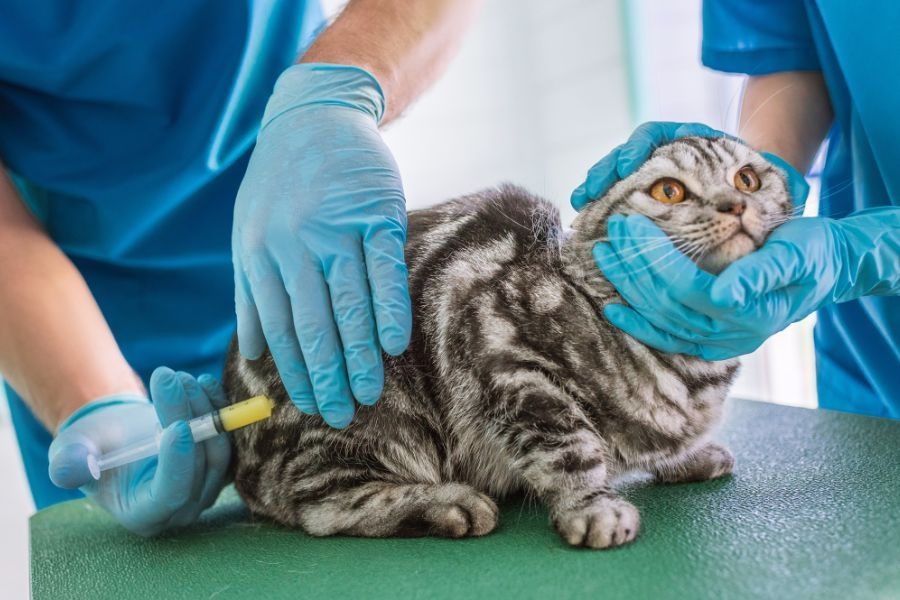
Whether you have a playful puppy, a curious kitten, or an older companion, understanding which vaccines your pet truly needs can protect them from serious diseases and help them live a longer, healthier life.
In this guide, we’ll explain the difference between core and non-core pet vaccines, why vaccination schedules matter, and how veterinarians decide which shots are best for your pet’s lifestyle. If you’ve ever felt confused about vaccination recommendations, this article will help simplify the process.
What Are Core Pet Vaccines?
Core vaccines are vaccines recommended for nearly all pets, regardless of breed, age, or lifestyle. These vaccines protect against diseases that are highly contagious, life-threatening, or transmissible to humans.
Veterinary organizations like the American Animal Hospital Association and the American Association of Feline Practitioners classify these vaccines as essential because the risk of disease exposure is widespread.
Core Vaccines for Dogs
Most dogs should receive protection against:
- Rabies
- Distemper
- Parvovirus
- Adenovirus (Canine Hepatitis)
These illnesses can cause severe organ damage, neurological problems, or death. Rabies vaccination is also legally required in many states because it can spread to humans.
Core Vaccines for Cats
Cats commonly receive core vaccines for:
- Rabies
- Feline Panleukopenia
- Feline Herpesvirus
- Calicivirus
These diseases spread easily among cats and can lead to respiratory infections, immune complications, or fatal illness.
What Are Non-Core Pet Vaccines?
Non-core vaccines are optional vaccines recommended based on your pet’s lifestyle, environment, travel habits, and exposure risk.
Not every pet needs every non-core vaccine. Your veterinarian evaluates factors such as:
- Boarding or daycare attendance
- Outdoor activities
- Contact with wildlife
- Geographic disease risks
- Grooming visits
- Multi-pet households
Common Non-Core Vaccines for Dogs
Depending on risk level, dogs may benefit from:
- Bordetella (Kennel Cough)
- Canine Influenza
- Lyme Disease
- Leptospirosis
- Parainfluenza
For example, dogs that frequently visit dog parks or boarding facilities are often advised to receive Bordetella vaccines.
Common Non-Core Vaccines for Cats
Cats may receive protection against:
- Feline Leukemia Virus (FeLV)
- Chlamydia felis
- Bordetella
Outdoor cats or cats living with other felines often have a higher risk of exposure to FeLV.
Why Vaccination Matters for Long-Term Health?
Vaccines do more than prevent illness. They also:
- Reduce emergency veterinary visits
- Lower the risk of expensive treatments
- Help prevent disease outbreaks
- Protect vulnerable pets and people
- Support longer life expectancy
Many infectious diseases spread rapidly and can become fatal before symptoms even appear. Vaccination helps your pet’s immune system recognize and fight these threats early.
According to veterinary vaccination guidelines, the benefits of properly scheduled vaccination far outweigh the risks for most pets.
How Veterinarians Decide Which Vaccines Your Pet Needs?
Vaccination plans are not identical for every animal. Your veterinarian creates a schedule based on several important factors.
Age
Puppies and kittens require a series of vaccines because their immune systems are still developing. Booster vaccines are given during the first few months of life to build stronger protection.
Senior pets may need adjusted schedules depending on their health status.
Lifestyle
A pet that stays all day indoors has different exposure risks than one that visits parks, kennels, or hiking trails regularly.
Geographic Location
Some diseases are more common in specific areas. Lyme disease and leptospirosis, for example, may be more prevalent in certain regions.
Health Conditions
Pets with immune disorders or chronic illnesses may need customized vaccination timing.
Understanding Vaccine Schedules
One of the most common questions pet owners ask is how often vaccines are actually needed.
Puppy and Kitten Vaccination Schedule
Most young pets begin vaccines between 6 and 8 weeks of age, followed by boosters every few weeks until about 16 weeks old.
Adult Booster Vaccines
After the initial series, some vaccines are boosted yearly while others may be given every three years, depending on the vaccine type and your veterinarian’s recommendations.
There has been growing discussion among veterinarians and pet owners about avoiding unnecessary over-vaccination while still maintaining proper immunity.
Are Vaccine Side Effects Common?
Most pets tolerate vaccines very well. Mild side effects can occasionally occur and may include:
- Sleepiness
- Mild fever
- Temporary soreness
- Reduced appetite
Serious reactions are rare but can include facial swelling, vomiting, or breathing difficulty. Contact your veterinarian immediately if you notice severe symptoms after vaccination.
Your veterinary team carefully monitors vaccine safety and recommends schedules designed to minimize unnecessary risk.
Indoor Pets Still Need Vaccines
Many owners assume indoor pets do not require vaccination, but that is not always true.
Viruses and bacteria can enter the home through:
- Shoes and clothing
- Open windows
- Other pets
- Wildlife exposure
Rabies laws also apply regardless of whether pets stay indoors. Core vaccination remains an important safety measure for indoor animals.
The Growing Importance of Lifestyle-Based Vaccination
Modern veterinary medicine is shifting toward more personalized vaccine recommendations. Instead of automatically giving every vaccine yearly, veterinarians increasingly tailor plans around actual exposure risk.
For example:
- A hunting dog may need leptospirosis and Lyme vaccines.
- A fully indoor senior cat may require fewer non-core vaccines.
- A boarding dog may benefit from Bordetella and canine influenza vaccines.
This individualized approach helps balance disease prevention with appropriate medical care.
Questions to Ask Your Veterinarian About Vaccination
During your pet’s wellness exam, consider asking:
- Which vaccines are considered core for my pet?
- Does my pet’s lifestyle require any non-core vaccines?
- How often should boosters be given?
- Are there regional disease risks in my area?
- What side effects should I watch for?
Open communication helps ensure your pet receives the right protection without unnecessary treatments.
Conclusion
Vaccination is one of the most important parts of pet wellness care. Understanding the difference between core and non-core vaccination helps pet owners make informed healthcare decisions. Core vaccines protect against serious and widespread diseases, while non-core vaccines are selected based on lifestyle and exposure risk. A personalized vaccination plan gives your pet the best chance at lifelong health and protection.
If your pet is due for vaccines or you have questions about the right schedule, contact your reliable veterinarian near you, Parkland Animal Clinic in Parkland, FL, to schedule a wellness appointment and keep your companion protected year-round.
FAQs
Q1: What is the difference between core and non-core pet vaccines?
Ans: Core vaccines are recommended for nearly all pets because they protect against serious and widespread diseases. Non-core vaccines are given based on your pet’s lifestyle, environment, and risk of exposure.
Q2: Do indoor cats really need vaccinations?
Ans: Yes. Indoor cats can still be exposed to infectious diseases through people, other pets, or accidental escapes outdoors. Core vaccines remain important for indoor cats.
Q3: How often should dogs receive booster vaccines?
Ans: Some dog vaccines require annual boosters, while others may be given every three years, depending on the vaccine type and your veterinarian’s guidance.
Q4: Is the rabies vaccine legally required for pets?
Ans: In many states, rabies vaccination is legally required for both dogs and cats because rabies can spread to humans and is almost always fatal.
Q5: Can pets have reactions to vaccines?
Ans: Mild reactions like soreness or tiredness are possible, but serious vaccine reactions are uncommon. Always contact your veterinarian if you notice severe symptoms after vaccination.