8017 N. University Dr, Parkland, FL 33067

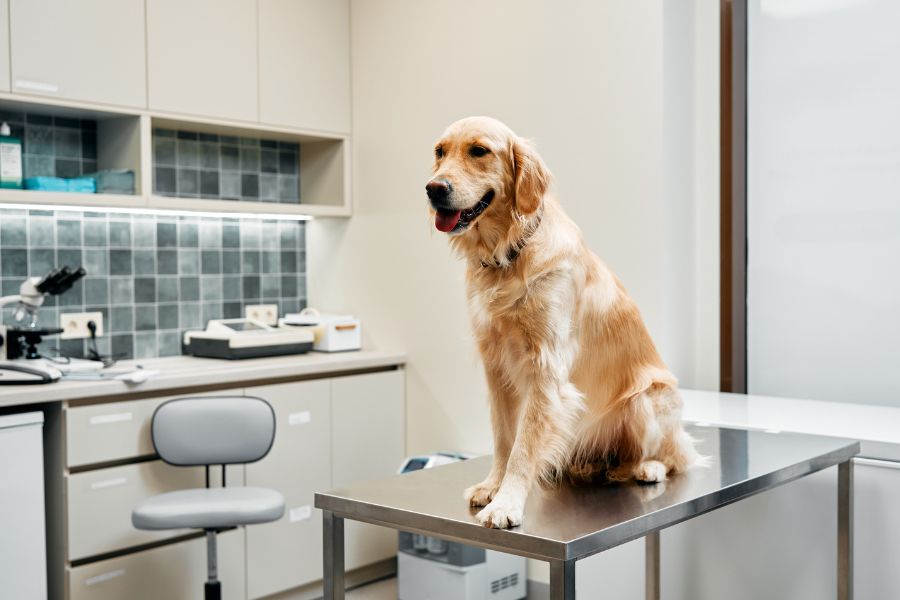
Getting your first pet is exciting, but it also comes with responsibility. One of the most important steps is finding an animal hospital near you that you can trust for routine care and emergencies. This guide explains how to choose the right animal hospital, what services to expect, and how to prepare for your pet’s first visit.
Why Finding an Animal Hospital Before Getting a Pet Matters
Many first-time pet owners wait until their pet gets sick before searching for a veterinarian. This can lead to stress, rushed decisions, and limited options. Choosing an animal hospital near you in advance helps you stay prepared and confident.
Here is why it matters:
- Immediate care during emergencies
- Routine health monitoring from day one
- Vaccination schedules started on time
- Preventive care guidance
- Professional advice for first-time owners
Early veterinary care can also prevent many common health issues. Puppies and kittens, for example, require multiple vaccinations and wellness checks during their first year. Having a trusted veterinary team on standby ensures your pet receives the best possible care from the start.
What Services Should a Reliable Animal Hospital Offer
Not all veterinary clinics offer the same services. When searching for an animal hospital near you, look for facilities that provide comprehensive care.
Essential Services to Look For
A reliable animal hospital should offer:
- Wellness exams
- Vaccinations
- Parasite prevention
- Diagnostic testing
- Dental care
- Surgery services
- Emergency care
- Nutritional counseling
These services help ensure your pet receives complete care throughout their life.
Helpful additional Services
Some clinics also provide:
- Microchipping
- Behavioral consultations
- Grooming services
- Senior pet care
While these are not required, they can make pet care more convenient.
How to Choose the Right Animal Hospital Near You
Finding the right animal hospital near you involves more than checking the location. Here are key factors to consider.
1. Location and Accessibility
Choose a clinic that is easy to reach. Emergencies can happen at any time, so a nearby clinic reduces travel time and stress.
Look for:
- Easy parking
- Convenient hours
- Weekend availability
- Emergency services
Convenience plays a major role in maintaining regular visits.
2. Experience and Qualifications
Veterinary experience matters, especially for first-time pet owners. A knowledgeable veterinarian can guide you through your pet’s early stages.
Consider:
- Veterinary credentials
- Years of experience
- Friendly and supportive staff
- Clean and organized facility
These factors indicate professionalism and quality care.
3. Reviews and Reputation
Online reviews can provide helpful insights. Look for consistent feedback about:
- Friendly staff
- Clean environment
- Clear communication
- Compassionate care
Positive experiences from other pet owners often reflect reliable service.
Questions to Ask When Visiting an Animal Hospital
Before selecting an animal hospital near you, schedule a visit and ask a few questions. This helps you understand their approach and services.
Here are some helpful questions:
- What are your clinic hours?
- Do you offer emergency services?
- What preventive care plans do you recommend?
- How do you handle urgent situations?
- What are your vaccination schedules?
A good veterinary team will welcome your questions and provide clear answers.
Preparing for Your Pet’s First Visit
Once you choose an animal hospital near you, prepare for your pet’s first appointment. This helps make the experience smooth and stress-free.
What to Bring
Bring the following items:
- Previous medical records, if available
- List of questions
- Pet food details
- Behavior observations
These details help the veterinarian understand your pet better.
What to Expect During the Visit
During the first visit, the veterinarian will:
- Perform a physical exam
- Discuss diet and nutrition
- Recommend vaccinations
- Discuss parasite prevention
- Provide care recommendations
This visit sets the foundation for your pet’s lifelong health.
Signs You Found the Right Animal Hospital
After your first visit, you should feel confident in your choice. Here are signs you found a reliable animal hospital near you:
- Staff treat your pet gently
- The veterinarian explains things clearly
- Clean and organized facility
- Comfortable waiting area
- Transparent pricing
Trust and communication are essential for long-term veterinary care.
Emergency Care: Why It’s Important
Emergencies can happen at any time. A dependable animal hospital near you should offer emergency care or referrals.
Common pet emergencies include:
- Vomiting or diarrhea
- Injuries
- Difficulty breathing
- Sudden lethargy
- Seizures
Knowing where to go during emergencies can save valuable time.
Preventive Care for First-Time Pet Owners
Preventive care helps avoid costly treatments later. When choosing an animal hospital near you, ask about preventive care plans.
Preventive Care Includes
- Vaccinations
- Flea and tick prevention
- Heartworm prevention
- Regular checkups
- Dental care
Routine visits help detect health issues early.
Building a Long-Term Relationship With Your Veterinarian
Choosing a reliable animal hospital near you is not just about convenience. It is about building a long-term partnership.
Benefits of long-term veterinary care:
- Consistent medical history
- Better diagnosis
- Personalized care
- Trust and comfort
Your veterinarian becomes a trusted partner in your pet’s health journey.
Getting your first pet is a wonderful experience, but proper planning makes it even better. Finding a reliable animal hospital near you ensures your pet receives expert care from day one. Focus on experience, services, and reputation when making your choice. If you are searching for compassionate veterinary care, consider scheduling your first visit with Parkland Animal Clinic in Parkland, FL, today.
FAQs
Q1: When should I find an animal hospital for my new pet?
Ans: You should find an animal hospital near you before bringing your pet home. This ensures you are prepared for vaccinations and early care.
Q2: How often should I take my pet to the animal hospital?
Ans: Most pets need annual wellness visits, while puppies and kittens may require multiple visits during their first year.
Q3: What should I look for in a reliable animal hospital?
Ans: Look for experienced veterinarians, clean facilities, comprehensive services, and positive reviews.
Q4: Do animal hospitals handle emergencies?
Ans: Many animal hospitals offer emergency services or referrals. Always confirm when choosing an animal hospital near you.
Q5: How do I prepare my pet for the first vet visit?
Ans: Bring medical records, questions, and details about your pet’s diet and behavior to help your veterinarian provide better care.