8017 N. University Dr, Parkland, FL 33067

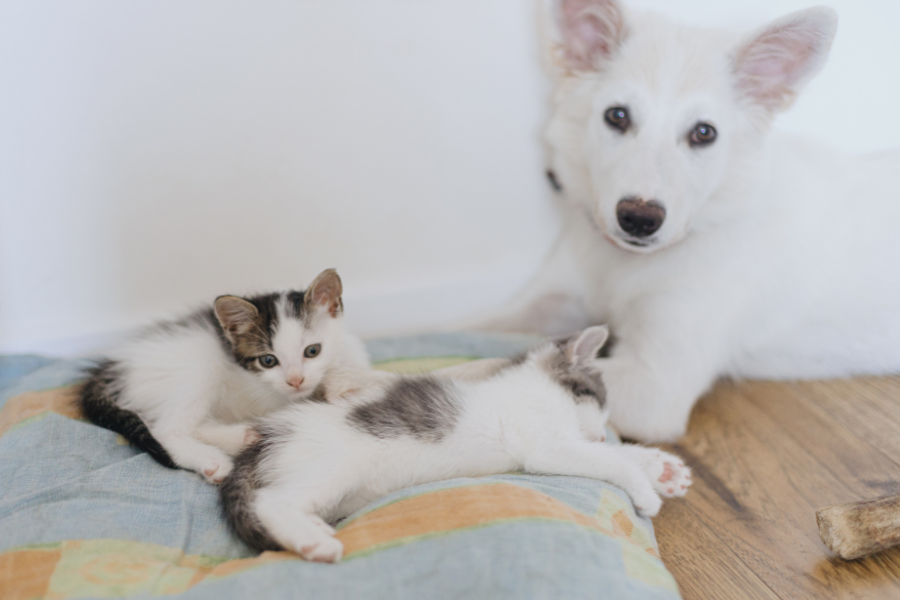
Outdoor activities give pets a chance to explore new surroundings, stay active, and enjoy time with their families. A walk through the neighborhood, a visit to a dog park, or supervised time in a secure outdoor space can become a regular part of your pet’s routine. However, shared outdoor areas also bring risks such as hot surfaces, unfamiliar animals, insects, and unsafe objects. Understanding Pet Park Safety can help you plan activities that suit your pet’s needs. For pet owners in Parkland, FL, warm weather makes it especially important to consider heat, shade, and hydration before heading outside.
How Can You Keep Dogs and Cats Safe During Outdoor Activities?
You can protect your pet outdoors by choosing suitable locations, supervising activity, providing fresh water, watching for signs of overheating, and avoiding unsafe objects or unfamiliar animals. The right precautions depend on your pet’s age, health, behavior, and comfort level.
Dogs and cats do not always enjoy the same outdoor experiences. Many dogs enjoy supervised walks and play areas, while cats often feel more comfortable in quiet, enclosed spaces. Choosing an activity that matches your pet’s personality is an important part of keeping them safe. Before going outside, consider whether the location is clean, secure, shaded, and suitable for your pet. During the activity, watch your pet closely rather than assuming they will avoid every hazard on their own.
How Should You Choose a Safe Park or Outdoor Area?
Not every park or play space is suitable for every pet. Before visiting, consider the environment, your pet’s personality, and the type of activity you have planned.
For dogs, look for an area with secure fencing if you plan to use an off-leash dog park. Check that gates close properly and that the play area is free from broken equipment, sharp objects, and visible waste. Shade and access to fresh water are also helpful.
For cats, a busy dog park is usually not a suitable place to explore. Many cats feel more comfortable in quiet, controlled outdoor spaces. A secure cat enclosure, enclosed patio, or supervised harness walk in a calm area may be a better choice.
Before heading out, check the following:
- Is the area clean and well maintained?
- Are there safe places to rest in the shade?
- Is fresh drinking water available?
- Can you keep your pet away from unfamiliar animals when needed?
- Are there loose objects, damaged fencing, or other visible hazards?
- Does the space match your pet’s temperament and activity level?
Choose a quieter location if your pet becomes nervous around crowds or unfamiliar animals.
What Should You Know About Dog Park Safety?
Dog parks allow dogs to exercise and interact, but not every dog enjoys group play. Some dogs feel overwhelmed by unfamiliar animals, loud activity, or fast-moving play. Watch your dog’s behavior and be ready to leave if the environment becomes uncomfortable.
Before allowing your dog to play, observe the other dogs from outside the play area. Look for calm interactions and owners who actively supervise their pets.
Helpful precautions include:
- Use a secure leash when entering and leaving. Keep your dog under control near gates and parking areas.
- Check the play environment. Look for damaged fencing, sharp objects, standing water, and waste.
- Watch body language. Stiff posture, tucked tails, repeated attempts to hide, or persistent avoidance may mean your dog needs a break.
- Avoid forcing interaction. Let your dog choose whether to approach another animal.
- Take breaks. Excited dogs may not stop playing even when they become tired.
- Clean up after your dog. Removing waste helps keep shared spaces cleaner for everyone.
Keep your attention on your dog instead of relying on other owners to supervise the group. If play becomes too rough or your dog appears stressed, calmly guide your pet away.
How Can You Protect Pets From Heat During Outdoor Activities?
Heat deserves special attention in Florida. Dogs and cats can become overheated during outdoor activity, especially when the weather is humid or they have limited access to shade and water.
Dogs may continue running and playing even when they are tired. Cats may seek warm or sunny places without moving away when they become uncomfortable. Never assume that your pet will stop an activity when it becomes too hot.
Use these precautions:
- Plan walks and outdoor play during cooler parts of the day.
- Carry fresh water and offer regular drinking breaks.
- Choose shaded routes and areas with a cool resting surface.
- Avoid long periods of intense activity in hot weather.
- Check pavement before walking your dog. If it feels too hot for your hand, it may be too hot for your pet’s paws.
- Never leave your pet inside a parked vehicle.
- Return indoors if your pet begins showing signs of heat-related discomfort.
Watch for heavy panting, excessive drooling, weakness, vomiting, confusion, or unusual breathing. These signs need prompt veterinary attention. If your pet appears overheated, move them to a cooler area and contact a veterinarian for instructions.
What Outdoor Hazards Should Pet Owners Watch For?
Outdoor environments contain hazards that may not be obvious at first. A quick check of the area can help you prevent many avoidable problems.
Plants and landscaping products: Some plants can be harmful if chewed or swallowed. Fertilizers, pesticides, and other lawn products may also pose a risk. Keep your pet away from treated areas unless the product instructions confirm it is safe.
Standing water: Puddles and stagnant water can contain harmful organisms or chemicals. Bring clean drinking water instead of allowing your pet to drink from unknown sources.
Wildlife and insects: Snakes, insects, and other wildlife may cause bites or irritation. Keep your pet away from animals and avoid letting them investigate holes or dense vegetation.
Sharp objects and litter: Broken glass, discarded food containers, and other debris can injure paws or mouths.
Parasites: Fleas, ticks, and other parasites may be present in grassy or wooded areas. Check your pet’s coat and skin after outdoor activities, especially around the ears, neck, belly, and legs.
Are Outdoor Activities Safe for Cats?
Cats can enjoy outdoor experiences, but they often need a different approach from dogs. Many cats feel safer when they can explore at their own pace without close contact with unfamiliar animals.
A secure outdoor enclosure gives a cat room to observe sights, smell fresh air, and enjoy a change of environment while remaining contained. Some cats can also learn to walk with a properly fitted harness, but they should become comfortable wearing it indoors before going outside.
For safer outdoor experiences:
- Choose a quiet area away from busy roads and unfamiliar dogs.
- Use a well-fitted harness and secure leash when appropriate.
- Never leave your cat unattended outdoors.
- Avoid forcing your cat to explore if they appear frightened.
- Provide access to shade and fresh water.
- Check the area for plants, insects, and objects your cat may chew.
Hypothetical case example: Imagine an indoor cat who begins exploring a screened patio with supervision. The owner notices that the cat enjoys watching birds but becomes anxious when a neighboring dog approaches the fence. By choosing quieter outdoor times and providing a covered hiding spot, the owner makes the experience more comfortable.
The best outdoor routine is one that matches your cat’s personality. Some cats enjoy supervised exploration, while others are happiest watching the outdoors from a secure window or enclosure.
What Should You Do After Visiting a Park With Your Pet?
A quick check after outdoor activity can help you notice problems early. Look over your pet’s paws, skin, coat, and ears. Check for cuts, swelling, ticks, burrs, or signs of irritation.
You should also pay attention to behavior after returning home. Excessive tiredness, limping, repeated licking of one area, vomiting, or changes in appetite may indicate that something is wrong.
After each visit:
- Offer fresh drinking water.
- Let your pet rest in a comfortable, cool area.
- Check paws for cuts or irritation.
- Brush or inspect the coat for debris and parasites.
- Clean muddy paws before your pet licks them.
- Contact your veterinarian if you notice an injury or unusual symptoms.
Regular wellness visits can also help you keep track of your pet’s skin, coat, and general health.
When Should You Contact a Veterinarian After Outdoor Activities?
Contact a veterinarian if your pet develops a wound, persistent limping, swelling, repeated vomiting, unusual tiredness, or signs of discomfort after spending time outside. Bites, suspected ingestion of harmful substances, and eye injuries also deserve prompt attention.
Difficulty breathing, collapse, seizures, or uncontrolled bleeding require immediate veterinary assistance.
Do not try to treat a deep wound or give human medication without veterinary guidance. Even if an injury looks small, it may need a closer examination.
If you are unsure whether a symptom needs attention, describe what happened and when it started. Details about the location, activity, and possible exposure can help your veterinarian guide the next step.
Conclusion
Outdoor activities can support your pet’s exercise, curiosity, and well-being when you plan them carefully. Choose suitable locations, supervise interactions, provide fresh water, watch for heat-related discomfort, and check your pet after each outing. Remember that dogs and cats may need different types of outdoor experiences, so choose activities that suit their behavior and comfort. If you are looking for a veterinarian near you, Parkland Animal Clinic in Parkland can help you address health concerns that arise after outdoor activities. If your pet develops an injury or unusual symptoms, contact your veterinarian for guidance.
Frequently Asked Questions
Q1: How can I keep my dog safe at a dog park?
A: Choose a clean, secure park and supervise your dog throughout the visit. Watch for signs of stress, prevent rough interactions, provide water breaks, and leave if your dog becomes uncomfortable.
Q2: Are dog parks safe for cats?
A: Dog parks are generally not suitable for cats because unfamiliar dogs, noise, and crowded play areas can cause stress. A secure enclosure or supervised harness walk in a quiet area may be a better option.
Q3: What are the signs that my pet is getting too hot outside?
A: Heavy panting, excessive drooling, weakness, vomiting, confusion, and unusual breathing can indicate heat-related illness. Move your pet to a cooler area and contact a veterinarian promptly.
Q4: How often should I check my pet after visiting a park?
A: Check your pet after every outdoor visit. Look for cuts, swelling, ticks, burrs, paw irritation, and changes in behavior.
Q5: When should I take my pet to a veterinarian after outdoor play?
A: Contact a veterinarian if your pet develops limping, wounds, swelling, repeated vomiting, unusual tiredness, or other concerning symptoms. Seek immediate veterinary assistance for difficulty breathing, collapse, seizures, or uncontrolled bleeding.