8017 N. University Dr, Parkland, FL 33067

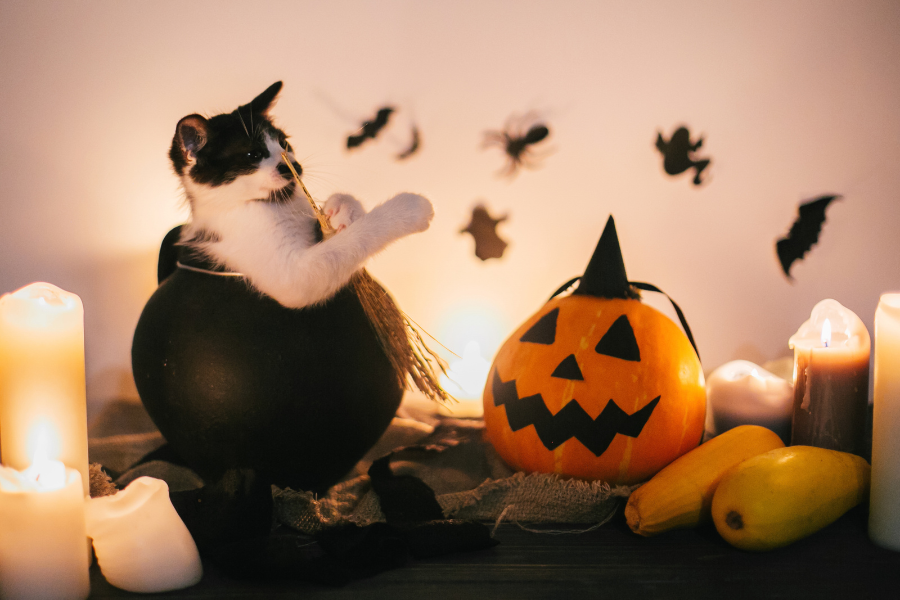
Halloween can be a fun time for families, with colorful decorations, themed outfits, and plenty of excitement around the house. It is tempting to include your dog or cat in the celebration with a costume, collar accessory, or festive bandana. However, an outfit that looks cute in a photo may feel uncomfortable or create a safety risk for your pet. Loose pieces can become choking hazards, tight clothing can restrict movement, and unfamiliar accessories may cause stress. Before dressing up your pet, consider their comfort, behavior, and ability to move freely. A few simple precautions can help you enjoy the holiday while keeping your four-legged family member safe.
Are Halloween Costumes Safe for Dogs and Cats?
Halloween costumes can be safe for some dogs and cats when they fit properly, allow free movement, and do not cause distress. The safest option is an outfit your pet tolerates comfortably, with no small parts to chew or swallow and no material that blocks vision, breathing, or hearing. Never force a pet to wear a costume if they show signs of fear or discomfort.
Some pets enjoy wearing a lightweight bandana or simple costume, while others prefer to stay without clothing. Cats may be particularly sensitive to anything that restricts their movement, and some dogs may become anxious when their bodies feel covered.
Before choosing a costume, check that your pet can:
- Walk, sit, lie down, and turn around naturally.
- Breathe easily without pressure around the neck or chest.
- See clearly without fabric covering the eyes.
- Hear and respond to sounds around them.
- Move without tripping or catching their feet in loose material.
Supervise your pet whenever they wear a costume or accessory. Remove it if your pet tries repeatedly to pull it off, freezes in place, hides, pants heavily, or seems distressed. A festive photo is never worth making your pet uncomfortable.
What Hidden Risks Can Halloween Costumes and Accessories Create?
A costume may appear harmless but still contain parts that can injure your pet. Small decorations, loose threads, buttons, ribbons, and plastic pieces may be chewed off and swallowed. Depending on the item, swallowing a foreign object can lead to choking or a blockage in the digestive tract.
Common costume and accessory risks include:
- Loose or small parts: Bells, beads, buttons, and decorative pieces can become choking hazards if chewed off.
- Tight straps and elastic: Clothing that is too snug can rub the skin or restrict normal movement and breathing.
- Long fabric or dangling pieces: These can catch on furniture, door handles, crates, or outdoor objects.
- Head coverings and masks: These may limit vision, hearing, or airflow.
- Metal accessories: Sharp edges or heavy pieces can irritate skin or injure the mouth if chewed.
- Glow accessories: Some products contain chemicals or materials that can cause irritation or illness if bitten or swallowed.
- Decorative collars: Dangling charms or poorly fitted items may snag on objects.
If your pet chews or swallows part of a costume, contact your veterinarian for advice. Seek urgent care if your pet is choking, struggling to breathe, repeatedly vomiting, showing severe discomfort, or unable to swallow normally. Do not pull on string or fabric hanging from your pet’s mouth or rear end, as doing so can cause injury.
How Can You Choose a Comfortable Halloween Outfit?
Start with your pet’s personality rather than the appearance of the costume. If your dog dislikes clothing or your cat becomes upset when handled, a costume may not be the right choice. A simple photo beside a decoration can be a safer way to include your pet.
If your pet is comfortable wearing something, look for a lightweight design made from soft, breathable material. Avoid outfits with hard pieces, dangling decorations, long ties, or parts that could cover the face.
Use this quick checklist before dressing your pet:
- Check the fit. The outfit should not press tightly against the neck, chest, belly, or legs.
- Inspect every detail. Look for loose stitching, sharp edges, small decorations, and pieces that could be chewed off.
- Try it briefly. Let your pet get used to the outfit for a short time in a calm setting.
- Watch their behavior. Stop if your pet seems frightened, freezes, scratches at the outfit, or tries to escape.
- Stay nearby. Do not leave a costumed pet alone, even if the outfit seems secure.
- Remove the costume before sleep or unsupervised time. This reduces the chance of chewing, tangling, or getting caught on something.
Take particular care with collars, capes, and accessories that attach around the neck. Make sure your pet can breathe and swallow normally, and check that the accessory cannot snag easily. If you are unsure whether an item is safe, skip it.
What Signs Show That a Costume Is Making Your Pet Uncomfortable?
Pets do not always show discomfort in obvious ways. Some may struggle or try to remove an outfit, while others become unusually still or quiet. A pet that stops moving when dressed may not be enjoying the experience. They may be frightened, confused, or uncomfortable.
Watch for signs such as:
- Repeated scratching, biting, or pawing at the costume.
- Flattened ears, a tucked tail, or a crouched posture.
- Hiding, trembling, or trying to move away.
- Excessive panting when the room is not hot.
- Drooling, whining, growling, or unusual vocalizing.
- Difficulty walking, jumping, or lying down.
- Redness, rubbing, or irritation where the costume touches the skin.
Remove the costume calmly if you notice these signs. Give your pet a quiet place to relax, and do not punish them for resisting an outfit. If the signs continue after removing the costume, or if you notice swelling, an injury, trouble breathing, or possible ingestion of a costume part, contact your veterinarian.
Some pets become overwhelmed by Halloween activity even when they are not wearing anything. Doorbells, visitors, loud noises, and frequent opening of the front door can add stress. A quiet room with familiar bedding, water, and a comfortable hiding place may help your pet feel more secure.
How Can You Keep Halloween Accessories and Decorations Away From Pets?
Costumes are only one part of Halloween safety. Decorative items, candy, treat wrappers, and party supplies can also attract curious dogs and cats. A pet may chew an item because it smells interesting, moves when touched, or resembles a toy.
Keep these items out of reach:
- Candy and chocolate, especially products containing ingredients that are toxic to pets.
- Treat wrappers, plastic packaging, ribbons, and twist ties.
- Small decorations, fake cobwebs, plastic spiders, and loose craft materials.
- Glow sticks and other light-up accessories.
- Candles and decorations with open flames.
- Costume parts or accessories removed during the evening.
Store Halloween treats in closed containers or cupboards your pet cannot access. This is especially important when children are handing out candy or guests bring snacks into the home. A proper guide on how to store Halloween treats safely away from pets for more ways to keep tempting treats out of your pet’s reach.
If your pet swallows candy, packaging, or part of a decoration, do not wait for symptoms if the item may be harmful. Contact a veterinarian and share the product packaging or a photo of the item when possible. Never try to make your pet vomit unless a veterinary professional specifically tells you to do so.
What Should You Do If Your Pet Is Afraid of Halloween Costumes?
Some pets dislike costumes because the clothing feels unfamiliar, while others react to the extra noise and activity of Halloween. The best response is to respect your pet’s comfort and give them control over whether they participate.
If you want to introduce an outfit, let your pet inspect it before putting it on. Reward calm behavior with praise or a small pet-safe treat, and keep the first attempt brief. Never hold your pet down or force their legs into clothing if they resist.
For pets that do not tolerate costumes, consider safer alternatives:
- Use a comfortable, well-fitted collar without dangling decorations.
- Take a festive photo beside a prop rather than dressing your pet.
- Offer a favorite toy or activity in a quiet room away from visitors.
- Keep cats indoors and away from open doors during trick-or-treating.
- Give dogs a calm place to rest when the house becomes busy.
Remember that your pet does not need a costume to be part of the holiday. A relaxed pet is much safer and happier than one that feels trapped or frightened.
When Should You Contact a Veterinarian?
Contact a Parkland veterinarian if your pet develops skin irritation, persistent distress, or an injury after wearing a costume or accessory. You should also seek advice if your pet may have swallowed a decoration, clothing part, wrapper, or other unsafe item.
Seek urgent veterinary care if your pet has trouble breathing, is choking, collapses, repeatedly vomits, shows severe abdominal pain, or becomes very weak. If an item is stuck around your pet’s neck or body, remove it only if you can do so safely without causing further injury.
When contacting the clinic, explain what happened, when it occurred, and what material or product may have been swallowed. Bring the packaging or a clear photo if available. Do not wait for a problem to become severe before asking for guidance, especially if you suspect your pet has swallowed a potentially harmful item.
Enjoy a Safer Halloween With Your Pet
Halloween costumes and accessories can be enjoyable when pets are comfortable wearing them, but safety should always come first. Choose outfits that allow free movement, avoid small or dangling parts, supervise your pet closely, and remove anything that causes fear or discomfort. Keep candy, wrappers, and decorations safely stored, too, because curious pets may investigate items left within reach.
If you have questions about a costume-related injury, possible ingestion, or changes in your pet’s behavior, Parkland Animal Clinic in Parkland, FL, can help you understand the next steps. Contact the clinic if you are concerned about your pet’s health. With a little planning, you can enjoy the Halloween season while helping your dog or cat stay safe and comfortable.
Frequently Asked Questions
Q1: Can dogs and cats wear Halloween costumes safely?
A: Yes, some pets can wear comfortable, well-fitted costumes for short periods under supervision. The outfit should not restrict breathing, movement, or vision, and it should not contain small parts that can be swallowed. Remove it if your pet seems anxious or uncomfortable.
Q2: What Halloween costume materials should I avoid for pets?
A: Avoid outfits with loose buttons, beads, sharp pieces, long ties, dangling decorations, or material that covers the eyes or nose. Check straps and elastic for a tight fit, and keep glow accessories away from pets that may chew them.
Q3: What should I do if my pet swallows part of a Halloween costume?
A: Contact a veterinarian promptly and explain what was swallowed and when. Do not try to make your pet vomit unless a veterinary professional instructs you to do so. Trouble breathing, choking, repeated vomiting, or severe discomfort requires urgent veterinary care.
Q4: How can I keep Halloween candy and accessories away from my pet?
A: Store candy and small accessories in closed cupboards or containers your pet cannot reach. Keep wrappers, decorations, and costume parts off the floor, and remind guests and children not to leave treats where pets can get them.
Q5: When should I contact Parkland Animal Clinic about a Halloween safety concern?
A: Contact Parkland Animal Clinic if your pet has skin irritation, persistent discomfort, or may have swallowed a costume part or decoration. Seek urgent veterinary care for choking, difficulty breathing, collapse, or other severe symptoms. If you are unsure whether an item is harmful, ask a veterinary professional for advice.