8017 N. University Dr, Parkland, FL 33067

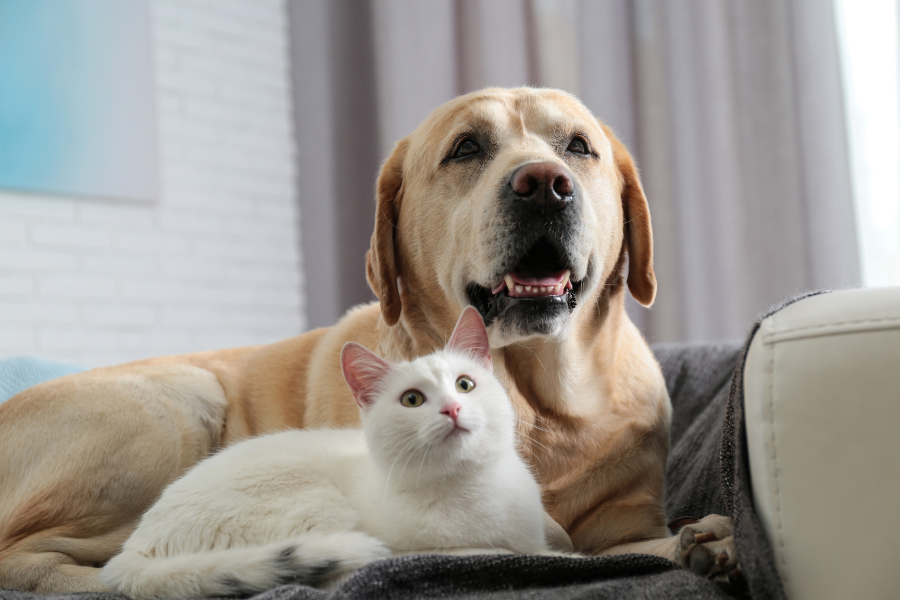
A power outage can happen during a summer storm, a hurricane, or an unexpected problem with the local power supply. While you may be focused on keeping your family comfortable, your pets also need protection from heat, cold, unfamiliar noises, and changes to their daily routine. Without electricity, air conditioning, fans, lights, and some pet-care equipment may stop working. Food in the refrigerator can also become unsafe if the outage lasts too long. A little preparation can help you respond calmly and protect your dog or cat when the lights go out. Here is how to prepare your home, keep your pet comfortable, and recognize when veterinary help may be needed.
How Can You Keep Pets Safe During a Power Outage?
To keep pets safe during a power outage, prepare an emergency supply kit, maintain a comfortable temperature, provide fresh water, and keep your pet in a secure area. If your home becomes dangerously hot or cold, move your pet to a safer location rather than waiting for the power to return.
Pets may react to an outage in different ways. Some hide when alarms sound, or the house becomes dark, while others become restless because their normal routine has changed. Animals with medical needs may face additional risks if their equipment, medication storage, or usual care routine depends on electricity.
Start with these practical steps:
- Keep fresh water available. Fill clean bowls and store extra drinking water in case your usual supply is interrupted.
- Secure doors and windows. A frightened pet may bolt when people enter or leave a dark house.
- Maintain a comfortable temperature. Use a safe alternative location if your home becomes too warm or too cold.
- Keep familiar items nearby. A bed, blanket, or favorite toy may help your pet feel more settled.
- Use a leash or carrier when moving your pet. This reduces the chance of escape in unfamiliar surroundings.
- Check on your pet regularly. Watch for unusual breathing, weakness, vomiting, or signs of distress.
In South Florida, heat deserves special attention. If indoor temperatures rise quickly, do not assume a fan or open window will be enough. Plan ahead for where your pet can safely stay if air conditioning is unavailable for an extended period.
How Should You Prepare a Pet Emergency Kit Before an Outage?
A pet emergency kit keeps essential supplies together so you can respond quickly when the power goes out. Store the kit somewhere easy to reach, and check it regularly to replace expired food, update records, and restock supplies.
Include the following items:
| Supply | Why it helps |
| Several days of pet food | Keeps meals consistent if stores are closed |
| Bottled or stored drinking water | Provides a dependable water supply |
| Food and water bowls | Makes feeding easier away from home |
| Leash, harness, or secure carrier | Helps you transport your pet safely |
| Medication and written instructions | Supports pets with ongoing health needs |
| Medical records and contact numbers | Helps another caregiver or veterinarian understand your pet’s needs |
| Waste bags, litter, and a small litter tray | Maintains basic hygiene |
| Blankets and familiar toys | Offers comfort in a strange environment |
| Recent photos of your pet | Can help identify your pet if you become separated |
If your pet uses equipment that requires electricity, such as certain mobility aids or temperature-control systems, ask your veterinarian or equipment provider about backup options. Pets that rely on refrigerated medication may also need a plan for keeping it at the correct temperature. Follow the medication’s storage instructions and contact your veterinarian or pharmacist if you are unsure whether it remains usable after an outage.
How Can You Protect Pets From Heat During a Power Outage?
Without air conditioning, a home can become uncomfortable or dangerous for pets, especially during hot and humid weather. Dogs and cats cannot cool themselves as effectively as people in every situation, and some animals are more vulnerable than others.
Brachycephalic pets, such as dogs and cats with short, flat faces, may have a harder time breathing and cooling down. Senior pets, young animals, overweight pets, and those with existing health problems may also need extra care.
To reduce heat-related risks:
- Offer fresh, cool drinking water frequently.
- Keep your pet in the coolest safe part of the home.
- Close curtains or blinds to limit direct sunlight.
- Avoid strenuous play and walks during the hottest part of the day.
- Never leave your pet in a parked vehicle, even briefly.
- Identify a pet-friendly, air-conditioned place you can visit if your home becomes too hot.
Watch for heavy panting, drooling, weakness, vomiting, confusion, or collapse. These may be signs of heatstroke, which is life-threatening. Move your pet away from the heat, begin gentle cooling with cool, not ice-cold, water if appropriate, and seek urgent veterinary care. Do not delay care while trying home treatments.
What Should You Do if Your Pet Needs Medication or Medical Equipment?
A power outage can interrupt normal care for pets with diabetes, heart disease, mobility limitations, or other ongoing medical needs. If your pet relies on refrigerated medication or electricity-dependent equipment, make a backup plan before storm season.
Keep an up-to-date list of your pet’s medications, doses, prescribing veterinarian, and relevant medical history. Store medication according to its label, and do not change a dose or stop a prescribed treatment without professional guidance.
Contact your veterinarian before an outage if you are uncertain about any of the following:
- How long a medication can remain outside its recommended storage temperature
- What to do if a scheduled dose is delayed
- Whether your pet’s medical equipment needs backup power
- Which warning signs mean your pet needs prompt care
- Where to go if your regular clinic is unavailable
Hypothetical case example: Bella, a senior dog with an ongoing medical condition, loses access to her usual cooling system during a summer outage. Her family notices that the room is becoming warmer and uses their prearranged plan to move her to a pet-friendly location with air conditioning. Because they also brought her medication, records, and familiar bedding, they can maintain her routine while monitoring her comfort.
The lesson is simple: planning ahead can prevent a difficult situation from becoming a medical crisis.
How Can You Help a Frightened Pet During a Power Outage?
Unexpected darkness, thunder, alarms, and unusual household activity can make pets anxious. Some may pace, bark, hide, cling to family members, or refuse food. Keeping your behavior calm and providing a secure place to rest can help reduce stress.
Choose a quiet room away from open doors and windows. Provide familiar bedding and let your pet hide if that helps them feel safe, as long as the hiding place is secure and comfortable. Avoid forcing interaction with a frightened animal.
For dogs, keep a leash near the door in case you need to leave quickly. For cats, keep a carrier accessible and use it when transporting them. Even normally calm pets may run if they become startled in an unfamiliar environment.
If you need to evacuate, bring your pet with you whenever possible and confirm that your destination accepts animals. Do not leave pets behind in a home that may become unsafe due to heat, flooding, or other hazards.
If your pet has severe anxiety during storms or outages, discuss a plan with your veterinarian before the next event. Your vet can help you consider safe ways to manage your pet’s stress based on their health and behavior.
When Should You Contact a Veterinarian During a Power Outage?
Contact a veterinarian if your pet develops unusual symptoms, cannot access necessary medical care, or may have been exposed to dangerous heat or cold. Some warning signs require urgent assessment rather than waiting for normal services to resume.
Seek veterinary care for:
- Heavy panting that does not improve after moving to a cooler place
- Trouble breathing, collapse, or severe weakness
- Repeated vomiting or marked confusion
- Seizures or loss of consciousness
- Suspected exposure to floodwater, chemicals, or other hazards
- A serious interruption to essential treatment when your pet’s condition may worsen
If your pet takes medication that requires refrigeration, do not guess whether it is still safe to use. Check the manufacturer’s instructions and ask your veterinarian or pharmacist for advice.
Before storm season, save your regular clinic’s contact information and identify an alternative veterinary facility. Keep a written copy of important details in your pet kit in case your phone battery runs low.
Help Your Pet Stay Safe Before the Next Outage
A power outage can disrupt your pet’s routine, comfort, and medical care, but preparation makes a meaningful difference. Keep essential supplies ready, protect your pet from extreme temperatures, secure doors and windows, and plan for any medication or equipment that depends on electricity. In a warm climate, arranging access to a cool, safe location is especially important.
Review your plan before storm season and make sure everyone in your household knows where the pet supplies are stored. Parkland Animal Clinic in Parkland, FL, can help you discuss your pet’s health needs and prepare for situations that may interrupt normal care. A few steps taken ahead of time can help you protect your pet when the power goes out.
Frequently Asked Questions
Q1: How long can pets safely stay in a house without air conditioning?
A: There is no single safe time limit because indoor temperatures, humidity, ventilation, and your pet’s health all matter. If the home is becoming hot or your pet shows signs of overheating, move them to a cooler, safe location.
Q2: What should I put in a pet emergency kit for a power outage?
A: Include food, water, bowls, a leash or carrier, medication, medical records, waste supplies, and familiar comfort items. Add any special supplies your pet needs for a medical condition.
Q3: Can I give my pet medication that was left warm during a power outage?
A: It depends on the medication and how long it was outside its recommended storage conditions. Check the product instructions and contact your veterinarian or pharmacist before using medication you suspect may have been affected.
Q4: How can I keep my cat calm when the lights go out?
A: Keep your cat indoors in a secure, quiet room and provide familiar bedding or a hiding place. Keep doors and windows secured, because even indoor cats may try to escape when frightened.
Q5: When should I contact Parkland Animal Clinic after a power outage?
A: Contact the clinic if your pet has new or worsening symptoms, or if an outage disrupts essential medication or medical equipment. Trouble breathing, collapse, seizures, or suspected heatstroke require urgent veterinary care.