8017 N. University Dr, Parkland, FL 33067


Your pet may eat normally, play happily, and seem perfectly healthy while a dental problem develops quietly in the mouth. Dogs and cats can develop dental issues such as plaque buildup, tartar, gum inflammation, painful infections, and damaged teeth. Because pets often hide discomfort, owners may not notice a problem until it becomes advanced. At Parkland Animal Clinic, Parkland, FL, we encourage pet owners to make oral health part of routine pet care. Understanding common dental problems can help you recognize early warning signs, protect your pet’s comfort, and know when professional dental care may be needed. This guide explains the most common dog and cat dental concerns and practical ways to support a healthier mouth.
What Are the Most Common Dental Problems in Dogs and Cats?
The most common dental problems in dogs and cats include plaque and tartar buildup, gingivitis, periodontal disease, fractured teeth, retained teeth, and painful oral infections. Regular veterinary dental evaluations can help identify these problems before they become more advanced. Dental disease is extremely common in pets, but it should not simply be considered a normal part of aging.
Common problems include:
- Plaque buildup
- Tartar accumulation
- Gingivitis
- Periodontal disease
- Broken or fractured teeth
- Tooth decay or damaged teeth
- Oral infections
- Retained baby teeth
- Painful areas around the gums
- Bad breath related to oral disease
The earlier a problem is identified, the easier it may be to manage.
1. Plaque and Tartar Buildup
Plaque is a soft, sticky film that forms on teeth after eating. It contains bacteria, saliva, and food particles.
If plaque is not removed, it can harden into tartar, also called dental calculus.
You may notice:
- Yellow or brown buildup on teeth
- Bad breath
- Visible debris around the gumline
- Redness near the gums
Tartar cannot always be removed effectively with ordinary brushing once it has hardened.
Professional dental cleaning may be needed to properly clean areas that are difficult to reach at home.
2. Gingivitis in Dogs and Cats
Gingivitis means inflammation of the gums.
It often develops when plaque and bacteria accumulate along the gumline.
Signs can include:
- Red gums
- Swollen gums
- Bleeding during chewing
- Bad breath
- Increased drooling
- Reluctance to eat
- Pawing at the mouth
Gingivitis can sometimes improve when the underlying plaque and tartar are addressed, but untreated inflammation may progress into more serious dental disease.
3. Periodontal Disease
Periodontal disease affects the tissues that support the teeth.
As the disease progresses, infection and inflammation can damage the structures around the teeth.
Advanced periodontal disease may cause:
- Loose teeth
- Gum recession
- Persistent bad breath
- Bleeding gums
- Difficulty chewing
- Tooth loss
- Oral pain
Your pet may continue eating despite significant dental disease.
That is why changes in eating habits are not the only signs owners should watch for.
4. Broken or Fractured Teeth
Dogs may fracture teeth by chewing hard objects, while cats can develop tooth damage for different reasons.
A fractured tooth can expose sensitive inner structures.
Watch for:
- Chewing on one side
- Dropping food
- Avoiding hard food
- Pawing at the mouth
- Excessive drooling
- Facial swelling
- Sudden reluctance to chew
A broken tooth should be evaluated by a veterinarian because the appropriate treatment depends on how severely the tooth has been damaged.
5. Retained Baby Teeth
Puppies and kittens normally lose their baby teeth as adult teeth develop.
Sometimes a baby tooth remains after the corresponding adult tooth has started to emerge.
Retained teeth can contribute to:
- Crowding
- Food trapping
- Plaque accumulation
- Gum irritation
- Abnormal tooth positioning
- Increased risk of periodontal disease
This is one reason oral examinations are important during puppy and kitten growth.
6. Oral Infections
Dental disease can lead to infection around a damaged or diseased tooth.
A tooth-root infection may be painful even when there is little visible change on the outside.
Possible signs include:
- Facial swelling
- Bad breath
- Drooling
- Difficulty chewing
- Reduced appetite
- Pawing at the mouth
- Sensitivity around the face
Facial swelling or significant oral pain should be evaluated promptly.
How Can You Tell If Your Pet Has Dental Problems?
Pets do not always show obvious signs of mouth pain.
Some continue eating while quietly changing how they chew.
Look for these warning signs:
- Persistent bad breath
- Red or swollen gums
- Yellow or brown teeth
- Bleeding from the mouth
- Drooling
- Dropping food
- Difficulty chewing
- Chewing on one side
- Pawing at the mouth
- Reduced interest in food
- Facial swelling
- Changes in behavior
Bad breath should not automatically be dismissed as normal for pets. Persistent odor can be an early sign of oral disease.
Do Dogs and Cats Hide Dental Pain?
Yes. Dogs and cats can be surprisingly good at hiding discomfort.
Your pet may still eat, greet you, and play while experiencing dental pain.
A pet with oral discomfort may subtly:
- Eat more slowly
- Avoid crunchy food
- Prefer softer food
- Drop pieces of food
- Stop playing with chew toys
- Become less tolerant of face touching
- Groom differently
- Show less interest in certain activities
These small changes can be easy to overlook.
If your pet’s behavior around eating or chewing changes, a veterinary dental examination is worthwhile.
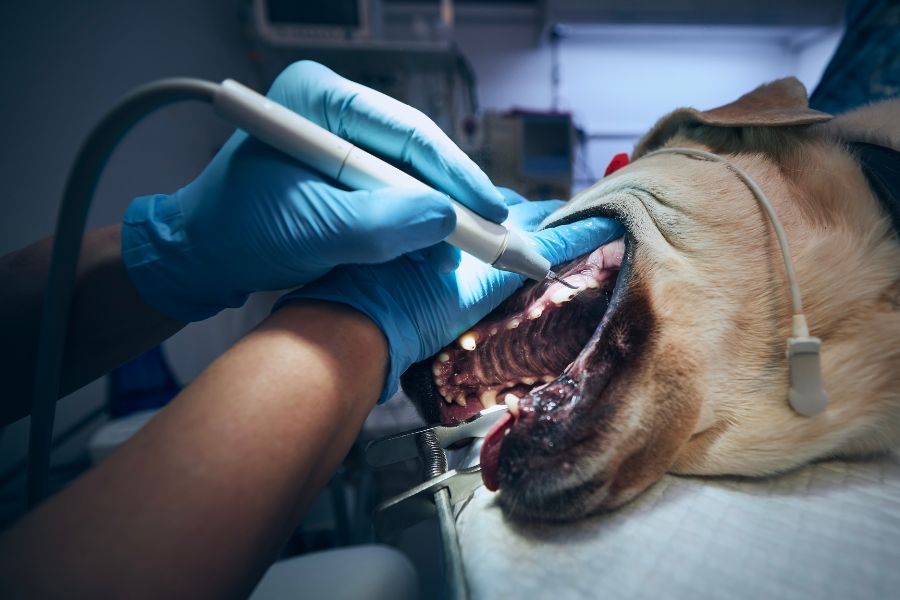
What Happens During a Professional Pet Dental Cleaning?
Professional dental care allows a veterinarian to evaluate and clean areas that are difficult to assess at home.
Depending on your pet’s needs, dental care may involve:
- Oral examination
- Assessment of the gums
- Evaluation of individual teeth
- Professional removal of plaque and tartar
- Dental imaging when appropriate
- Treatment of diseased or damaged teeth
- Recommendations for ongoing home care
Professional cleaning is different from simply brushing the visible surfaces of the teeth.
A thorough dental evaluation considers the gums, tooth structures, and areas beneath the gumline.
Hypothetical Example: A Cat With Subtle Dental Pain
Imagine a six-year-old cat named Luna whose owner notices that she has started dropping pieces of dry food. Luna still eats every meal, so the change initially seems minor. During a routine veterinary examination, the veterinarian notices gum inflammation and dental changes that could explain Luna’s behavior. After appropriate dental evaluation and care, her owner is given a home oral-care plan to help maintain her mouth going forward. This hypothetical example shows why subtle changes in eating behavior deserve attention.
How Can You Protect Your Pet’s Dental Health at Home?
Home care plays an important role between professional dental evaluations.
Helpful habits include:
- Brush your pet’s teeth regularly when they tolerate it.
- Use pet-specific toothpaste.
- Introduce brushing gradually.
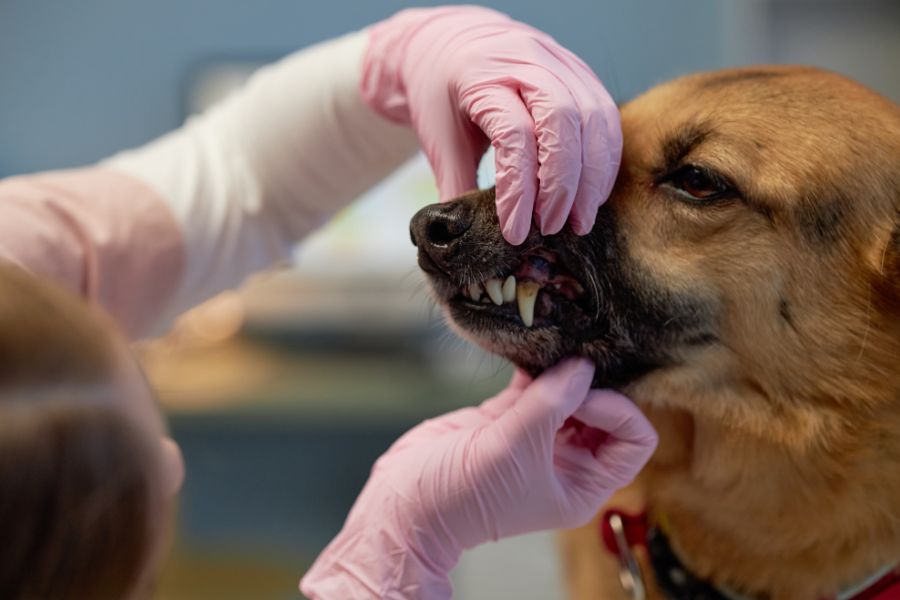
- Check your pet’s mouth during routine handling.
- Provide veterinarian-recommended dental products.
- Avoid extremely hard objects that can fracture teeth.
- Keep regular veterinary examinations.
Do not force brushing if your pet has painful gums or a damaged tooth. A painful mouth may need professional evaluation first.
Why Is Professional Dental Care Important?
Home brushing can help control plaque, but it cannot replace a veterinary dental evaluation when disease is already present.
Professional dental care can help identify problems that may not be obvious from a quick look at the front teeth.
Veterinary dental care can help:
- Identify gum disease
- Detect damaged teeth
- Evaluate painful areas
- Remove hardened tartar
- Address dental infections
- Monitor changes over time
- Create an appropriate home-care plan
Early attention can help prevent minor oral problems from progressing into more painful disease.
When Should You Schedule a Dental Examination?
Your pet should have their mouth checked as part of routine veterinary care, even if they appear healthy.
Schedule a dental evaluation if you notice:
- Persistent bad breath
- Red or bleeding gums
- Significant tartar
- Loose or broken teeth
- Drooling
- Difficulty eating
- Facial swelling
- Pawing at the mouth
- Sudden changes in chewing
- Reluctance to have the face touched
Facial swelling, severe oral pain, significant bleeding, or inability to eat warrants prompt veterinary attention.
Conclusion
Dental problems can affect both dogs and cats, and many develop gradually without obvious signs at first. Plaque, tartar, gingivitis, periodontal disease, broken teeth, retained baby teeth, and oral infections are among the concerns pet owners should understand. Watch for bad breath, red gums, drooling, chewing changes, loose teeth, and facial swelling. Regular home care is valuable, but professional dental evaluations are important for identifying disease that may be hidden beneath the gumline. Parkland Animal Clinic, Parkland, FL can help you maintain your pet’s oral health with appropriate evaluation, preventive guidance, and professional dental care when needed.
FAQs
Q1: What are the most common dental problems in dogs and cats?
A: Common problems include plaque, tartar, gingivitis, periodontal disease, fractured teeth, retained baby teeth, and oral infections. Regular veterinary examinations can help identify these concerns early.
Q2: How can I tell if my dog or cat has dental disease?
A: Bad breath, red gums, visible tartar, drooling, pawing at the mouth, dropping food, chewing changes, and reduced appetite can indicate dental problems. Some pets show very subtle signs, so routine oral examinations are important.
Q3: Can I clean my pet’s teeth at home?
A: Regular brushing with pet-specific toothpaste can help reduce plaque buildup. However, brushing cannot remove hardened tartar or treat established dental disease, so professional dental care may still be necessary.
Q4: How often should my pet have a dental examination?
A: Your veterinarian can recommend an appropriate schedule based on your pet’s age, breed, oral health, and risk factors. Dental health should be checked regularly as part of routine veterinary care.
Q5: When does my pet need professional dental care?
A: Professional dental care may be appropriate when your pet has significant tartar, gum inflammation, persistent bad breath, damaged teeth, oral pain, or other signs of dental disease. Facial swelling, severe pain, or difficulty eating should be evaluated promptly.