8017 N. University Dr, Parkland, FL 33067


Dental disease is one of the most common health problems affecting dogs and cats, yet it often goes unnoticed until it becomes painful or leads to serious complications. Bad breath, difficulty eating, and inflamed gums may seem minor, but they can signal underlying oral disease that requires veterinary care. In this guide, you’ll learn how to tell if your pet has dental disease, the stages of the condition, available treatment options, and practical ways to keep your pet’s teeth and gums healthy for years to come.
What Is Dental Disease in Pets
Dental disease, also known as periodontal disease, is an infection and inflammation of the tissues surrounding the teeth. It begins when plaque, a sticky film of bacteria, builds up on the teeth. If not removed, plaque hardens into tartar, causing irritation of the gums and eventually damaging the supporting structures of the teeth.
Studies show that most dogs and cats over the age of three have some degree of dental disease, making preventive dental care an essential part of overall wellness.
Common causes include:
- Plaque and tartar accumulation
- Poor dental hygiene
- Genetics and breed predisposition
- Aging
- Diet and chewing habits
- Lack of routine veterinary dental exams
Why Dental Disease Should Never Be Ignored
Many pet owners think bad breath is normal, but persistent odor is often a sign of bacterial infection. Left untreated, dental disease can affect much more than the mouth.
Potential complications include:
- Chronic pain
- Tooth loss
- Gum infections
- Difficulty eating
- Jawbone damage
- Spread of bacteria to the heart, liver, and kidneys
Treating dental disease early is usually simpler, less expensive, and far more comfortable for your pet than waiting until advanced damage occurs.
Early Signs Your Pet May Have Dental Disease
Recognizing symptoms early can help prevent serious complications.
Bad Breath
One of the first warning signs is persistent foul-smelling breath. While pet breath may not always smell fresh, a strong unpleasant odor often indicates bacterial buildup.
Red or Swollen Gums
Healthy gums should appear pink and firm. Redness, swelling, or bleeding suggests inflammation.
Yellow or Brown Tartar
Visible deposits along the gumline indicate hardened plaque that cannot be removed by brushing alone.
Difficulty Eating
Your pet may:
- Eat slowly
- Drop food while chewing
- Favor one side of the mouth
- Avoid hard kibble or treats
Pain during chewing is a common symptom of progressing dental disease.
Excessive Drooling
Increased saliva production or drooling mixed with blood may indicate oral discomfort or infection.
Pawing at the Mouth
Pets experiencing oral pain may rub their face on furniture or repeatedly paw at their mouth.
Loose or Missing Teeth
Advanced periodontal disease weakens the structures supporting teeth, leading to loose or lost teeth.
Behavioral Changes
Pain can cause pets to become:
- Less playful
- Irritable
- Withdrawn
- Reluctant to be touched around the face
Sometimes these behavioral changes are mistaken for aging rather than dental discomfort.
Dental Disease Stages
Stage 1: Gingivitis
At this stage:
- Mild gum inflammation
- Bad breath
- Minimal discomfort
Professional cleaning and improved home care can often reverse the condition.
Stage 2: Early Periodontal Disease
Signs include:
- Tartar buildup
- Gum recession
- Mild bone loss
Treatment becomes more involved but can still preserve most teeth.
Stage 3: Moderate Periodontal Disease
This stage may involve:
- Significant infection
- Pain while eating
- Loose teeth
- Bone deterioration
Professional treatment is necessary.
Stage 4: Advanced Periodontal Disease
Severe dental disease can cause:
- Major tooth loss
- Abscesses
- Chronic pain
- Damage extending beyond the mouth
Extraction of affected teeth may be required to relieve pain and stop infection.
Pets Most at Risk
Although any pet can develop dental disease, certain factors increase the risk.
Small Dog Breeds
Smaller breeds often have crowded teeth, allowing plaque to accumulate more easily.
Senior Pets
As pets age, years of plaque buildup increase the likelihood of periodontal disease.
Cats
Cats can develop both periodontal disease and painful conditions such as tooth resorption, making routine dental evaluations especially important.
Pets Without Dental Care
Skipping routine brushing and professional cleanings greatly increases the risk of oral disease.
How Veterinarians Diagnose Dental Disease
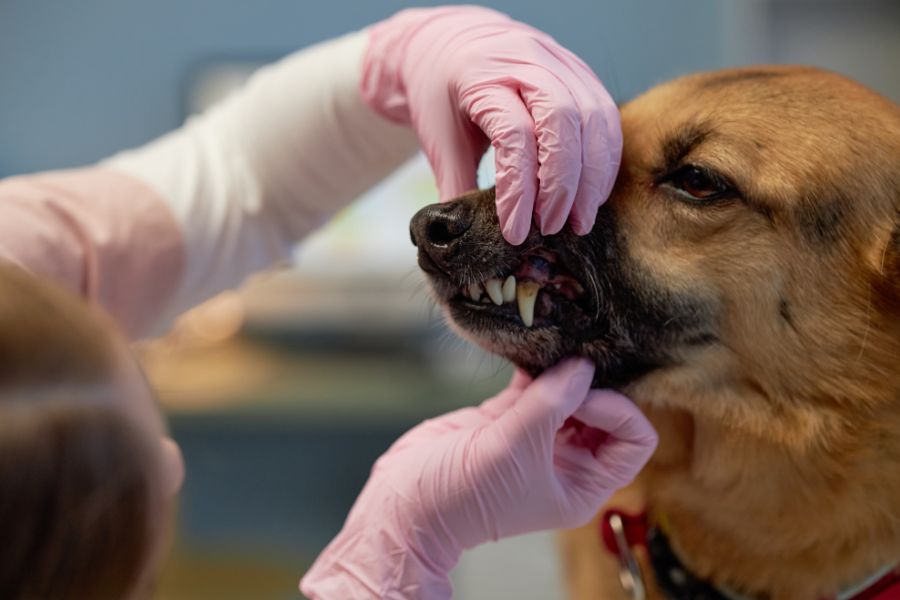
A complete dental evaluation includes more than simply looking inside the mouth.
Your veterinarian may perform:
- Physical oral examination
- Assessment of gum health
- Evaluation of loose or damaged teeth
- Dental probing
- Professional dental X-rays to detect hidden disease below the gumline
Dental X-rays are particularly valuable because many serious problems occur beneath the visible surface.
Treatment Options for Dental Disease
Treatment depends on the severity of the disease.
Professional Dental Cleaning
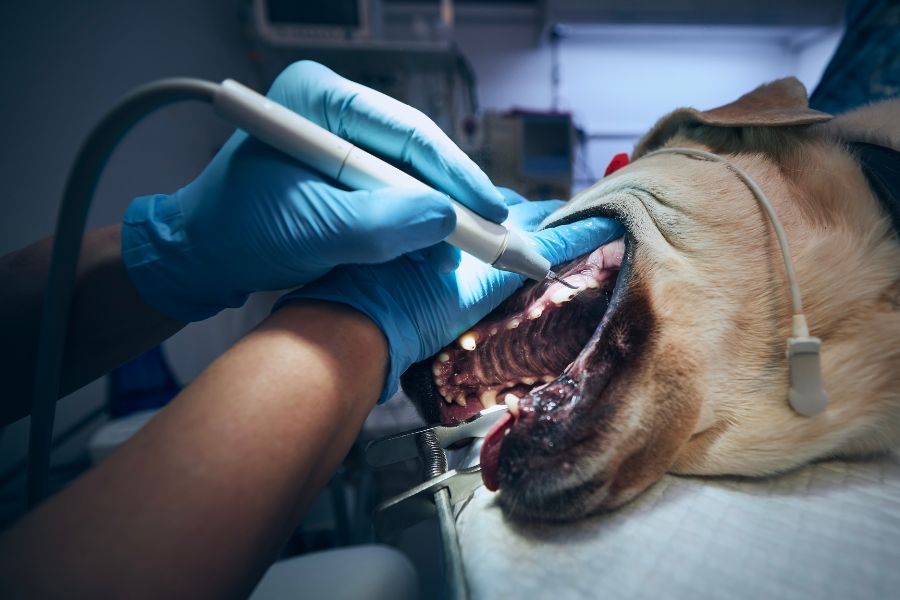
Under anesthesia, veterinarians remove plaque and tartar above and below the gumline using specialized equipment.
This cleaning reaches areas impossible to treat at home.
Dental X-Rays
Radiographs help identify:
- Bone loss
- Root infections
- Fractured teeth
- Hidden abscesses
Tooth Extraction
Severely damaged or infected teeth may need removal to eliminate pain and infection.
Most pets recover quickly and feel significantly better afterward.
Antibiotics and Pain Management
When infection or inflammation is present, medications may be prescribed alongside dental procedures.
How to Prevent Dental Disease?
Prevention is easier than treatment and can significantly improve your pet’s quality of life.
Brush Your Pet’s Teeth
Daily brushing is the gold standard for preventing plaque buildup.
Use:
- Pet-specific toothpaste
- Soft-bristled pet toothbrush
- Gentle, positive reinforcement
Never use human toothpaste, as it may contain ingredients harmful to pets.
Choose Veterinary-Approved Dental Products
Helpful products include:
- Dental chews
- Dental diets
- Water additives
- Oral rinses
Ask your veterinarian which products are appropriate for your pet.
Schedule Routine Dental Exams
Regular wellness visits allow dental problems to be identified before they become severe.
Your veterinarian can recommend when professional cleanings are needed based on your pet’s age and oral health.
Watch for Changes at Home
Monitor your pet for:
- Bad breath
- Difficulty chewing
- Bleeding gums
- Excessive drooling
- Changes in appetite
Prompt evaluation can prevent minor problems from becoming major ones.
Common Myths About Pet Dental Disease
Myth: Bad breath is normal.
Fact: Persistent bad breath is often a sign of bacterial infection and dental disease.
Myth: Dry food cleans teeth.
Fact: While some prescription dental diets may help, standard kibble alone does not adequately prevent plaque buildup.
Myth: Pets stop eating if they have dental pain.
Fact: Many animals continue eating despite significant discomfort because survival instincts are strong.
Myth: Tooth loss is a normal part of aging.
Fact: Healthy teeth can last throughout a pet’s life with proper care.
Conclusion
Dental disease is one of the most preventable health issues affecting pets, yet it can lead to significant pain and serious medical complications if left untreated. Learning to recognize early warning signs such as bad breath, inflamed gums, tartar buildup, and changes in eating habits can help protect your pet’s long-term health. Routine dental exams, professional cleanings, and consistent home care are the best ways to maintain a healthy smile. If you notice any signs of dental disease, schedule a dental evaluation with your Parkland vet at Parkland Animal Clinic and give your pet the care they deserve.
FAQs
Q1: How can I tell if my pet has dental disease?
Ans: Signs include bad breath, red or bleeding gums, tartar buildup, difficulty eating, excessive drooling, loose teeth, and behavioral changes due to oral pain.
Q2: At what age do pets commonly develop dental disease?
Ans: Many dogs and cats develop some degree of dental disease by the age of three, making early preventive care important.
Q3: Can dental disease affect my pet’s overall health?
Ans: Yes. Untreated dental disease can allow bacteria to spread through the bloodstream, potentially affecting the heart, kidneys, and liver.
Q4: How often should my pet have a professional dental cleaning?
Ans: The frequency depends on your pet’s breed, age, and oral health, but many pets benefit from annual dental evaluations and cleanings as recommended by their veterinarian.
Q5: What is the best way to prevent dental disease in pets?
Ans: Daily tooth brushing, veterinary-approved dental products, regular wellness exams, and professional cleanings when needed are the most effective ways to prevent dental disease.