8017 N. University Dr, Parkland, FL 33067

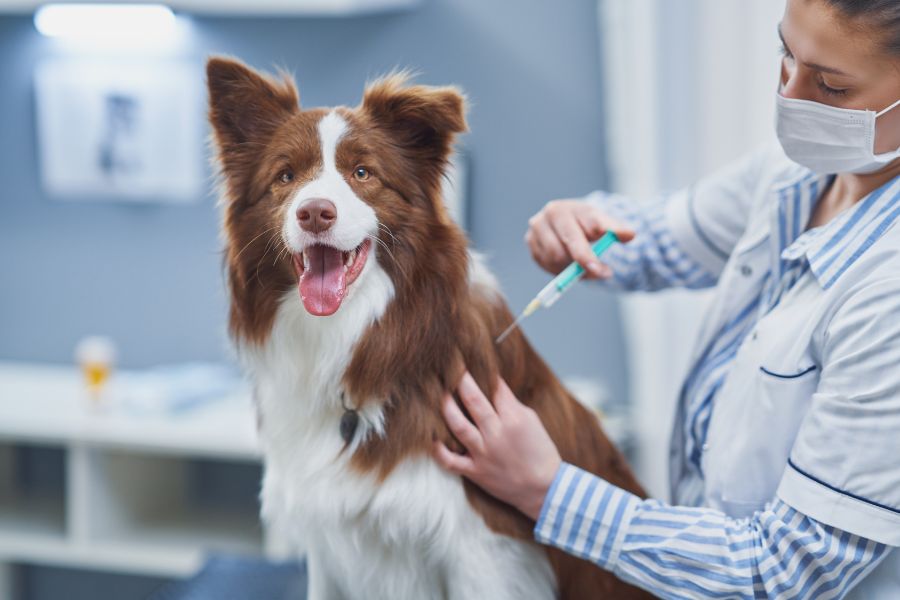
Dog vaccines have become one of the most talked-about pet health topics online. Social media is full of strong opinions, emotional stories, and viral posts about vaccines. Some claim they are unnecessary, while others share confusing or misleading information.
The truth is, vaccines are one of the safest and most effective ways to protect dogs from serious illnesses. Just like in human medicine, vaccination is based on decades of research, testing, and real-world success. For making the best choices for your dog, it helps to separate online myths from real veterinary science.
Why Dog Vaccines Matter More Than Ever
Vaccines protect dogs from diseases that can spread quickly and cause severe health problems. Many of these illnesses are preventable, but still exist in communities today.
Vaccinating your dog helps with:
- Preventing life-threatening infections
- Reducing disease spread in public spaces
- Protecting puppies with developing immune systems
- Keeping senior dogs healthier longer
- Meeting boarding, grooming, and travel requirements
In places where dogs regularly interact, like parks, daycare, and neighborhoods, vaccines play a huge role in keeping pets safe.
Social Media Misinformation: Why It Spreads So Fast
Social media platforms are designed to promote content that gets attention, not necessarily content that is accurate.
Common reasons vaccine myths spread include:
- Emotional personal stories without a medical context
- Fear-based posts that go viral quickly
- Influencers sharing opinions instead of facts
- Misunderstanding of normal vaccine reactions
- Distrust of science or medical systems
While it’s normal to want the best for your pet, health decisions should always come from trusted veterinary professionals, not trending posts.
The Science Behind Dog Vaccines
Vaccines work by training your dog’s immune system to recognize and fight harmful viruses or bacteria.
Instead of waiting for your dog to get sick, vaccines help the body prepare in advance. That means:
- Faster immune response
- Less severe illness if exposed
- Often, complete prevention of disease
Modern vaccines are carefully developed and monitored for safety, making them one of the most reliable tools in preventive pet care.
Core Vaccines vs. Lifestyle Vaccines
Not every dog needs every vaccine. Veterinarians divide vaccines into two categories:
Core Vaccines (Recommended for All Dogs)
These protect against widespread, dangerous diseases:
- Rabies
- Distemper
- Parvovirus
- Adenovirus (Hepatitis)
These illnesses can be deadly and are still present across the United States.
Lifestyle Vaccines (Based on Exposure Risk)
These depend on your dog’s daily life:
- Bordetella (Kennel Cough)
- Leptospirosis
- Canine Influenza
- Lyme Disease
Dogs who visit groomers, dog parks, daycare, or hiking trails may benefit most from these options.
Common Dog Vaccine Myths
Let’s clear up some of the biggest myths shared online.
Myth 1: “Vaccines are just for puppies.”
Fact: Puppies need an initial series, but adult dogs also require boosters to stay protected. Immunity can fade over time, so ongoing vaccination is important.
Myth 2: “My dog stays indoors, so vaccines aren’t needed.”
Fact: Even indoor dogs can be exposed to:
- Other pets
- Wildlife
- Shared surfaces
- Outdoor potty breaks
Diseases like rabies and leptospirosis can still pose risks.
Myth 3: “Vaccines cause more harm than good.”
Fact: Serious vaccine reactions are extremely rare. Most dogs experience only mild, temporary side effects like slight tiredness or soreness. Veterinarians carefully choose safe vaccine schedules based on each dog’s health.
Myth 4: “Natural immunity is better.”
Fact: Natural immunity often requires surviving the actual disease, which can be deadly or cause permanent damage. Vaccines protect against dangerous illnesses.
Myth 5: “Too many vaccines overwhelm the immune system.”
Fact: Dogs are exposed to many germs daily. Vaccines are a small, controlled way to help the immune system respond safely. Your vet will never give unnecessary vaccines.
Dog Vaccines and Protection
Living in South Florida comes with unique environmental risks for pets.
Warm weather and wildlife exposure can increase the chance of diseases like:
- Leptospirosis from standing water
- Rabies from raccoons or bats
- Kennel cough from social dog settings
That’s why keeping up with pet vaccinations in Parkland is a key part of responsible dog ownership. Families searching for an animal clinic near them often want trusted guidance, personalized schedules, and safe preventive care options for their pets.
What to Expect During a Vaccine Appointment
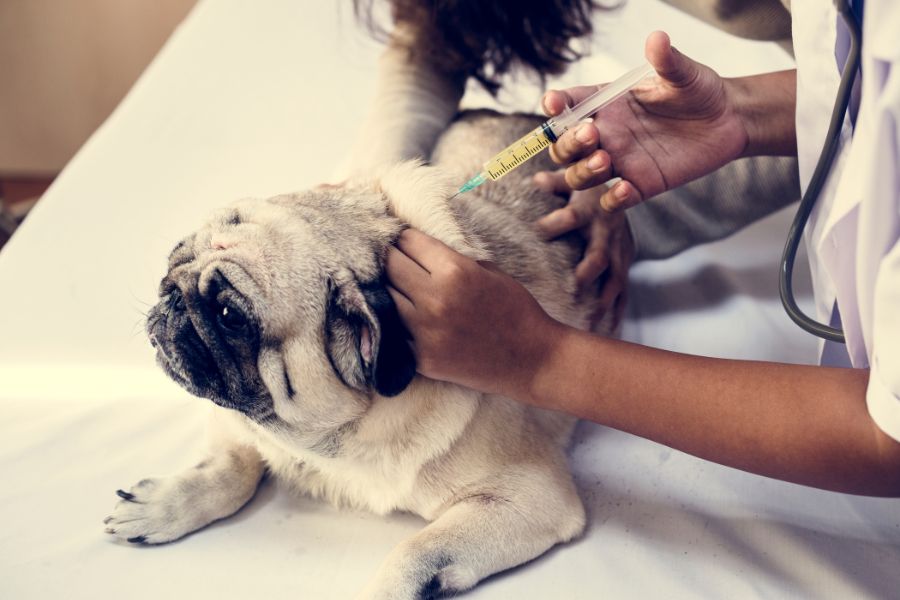
A typical appointment includes:
- Full wellness exam
- Discussion of lifestyle and risk
- Review of vaccine history
- Customized vaccine recommendations
- Aftercare guidance
This ensures your dog receives only what they truly need to stay healthy.
Are Vaccine Side Effects Normal?
Most dogs handle vaccines very well.
Mild side effects may include:
- Sleepiness for 24 hours
- Slight swelling at the injection site
- Mild fever
- Reduced appetite briefly
These symptoms usually resolve quickly.
Call your vet immediately if you notice:
- Facial swelling
- Vomiting
- Difficulty breathing
- Severe lethargy
Again, these serious reactions are rare, but it’s always best to stay cautious.
Building a Smart Vaccination Plan for Your Dog
Every dog is different. The right vaccine schedule depends on:
- Age
- Breed
- Health conditions
- Travel plans
- Exposure to other dogs
- Local disease risk
Puppies typically start vaccines around 6–8 weeks, followed by boosters every few weeks until about 16 weeks of age. Adult dogs continue with booster schedules based on veterinary recommendations. If you’ve recently adopted a dog or moved to Florida, updating vaccines is a great first step toward long-term wellness.
Keeping Dogs Healthy Through Preventive Care
Vaccines are one of the most powerful tools in preventive veterinary medicine, but they work best alongside:
- Regular wellness exams
- Parasite prevention
- Dental care
- Balanced nutrition
- Early illness detection
Preventive care saves lives and helps dogs enjoy longer, healthier years with their families. For local pet owners looking for trusted pet vaccinations in Parkland, working with an experienced animal care team at Parkland Animal Clinic in Parkland, FL makes all the difference.
FAQs
1. How often does my dog need vaccines?
Ans: Puppies need a vaccine series, while adult dogs need boosters every 1–3 years, depending on the vaccine type.
2. Are dog vaccines required in Florida?
Ans: Rabies vaccines are legally required in Florida. Other vaccines may be required for boarding or grooming.
3. Can vaccines make my dog sick?
Ans: Most dogs only experience mild side effects. Serious reactions are rare, and vaccines prevent far more dangerous diseases.
4. What vaccines does my puppy need first?
Ans: Most puppies start with distemper/parvo combination vaccines, followed by rabies when old enough.
5. Does my dog need Bordetella if they don’t board?
Ans: Dogs who visit parks, groomers, or socialize often benefit from Bordetella protection.