8017 N. University Dr, Parkland, FL 33067


Drooling is natural for pets, but when it becomes excessive, it can leave pet owners worried—and couches, floors, and clothes a little messy. While occasional drooling may not be a cause for concern, knowing how to manage it at home can save you stress and help your pet feel comfortable. Fortunately, there are gentle, do-it-yourself strategies to keep drooling under control without overwhelming your furry friend.
Understanding Why Pets Drool in the First Place
Before diving into solutions, it’s important to understand the reasons behind drooling. Pets may drool when they are excited, anxious, or even hungry. Certain breeds are naturally more prone to slobbering due to their loose lips and mouth structure. However, drooling can also point to medical concerns such as dental disease, nausea, or heat stress.
By identifying the cause, you can better decide whether to manage it at home or schedule a visit to your trusted Parkland Animal Clinic for professional guidance. Also, if you are residing in Coral Springs, Coconut Creek, and Boca West, then you can also contact Parkland Animal Clinic for health support.
Keep the Water Bowl Fresh and Inviting
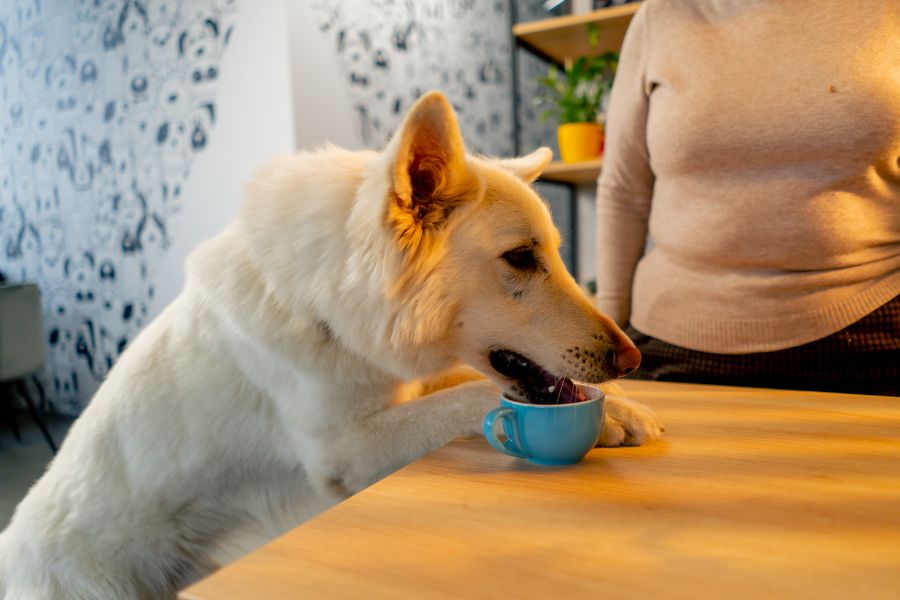
Hydration plays a major role in regulating drooling. A dry mouth or sticky saliva often increases drool production. Ensure your pet always has access to fresh, cool water. Regularly rinsing and refilling the bowl prevents bacteria buildup, which could otherwise irritate gums and increase salivation.
To make it more appealing, place multiple bowls around the house, especially in your pet’s favorite lounging spots. Adding ice cubes on hot days can also provide extra comfort while reducing heat-induced drooling.
Grooming Tricks: Taming the Slobber
If your pet has long fur around the mouth, drool can cling to it and cause matting or unpleasant odors. Regular grooming helps minimize discomfort. Use a soft, damp cloth to wipe the mouth area after meals or playtime. For breeds with heavy jowls, carrying pet-friendly wipes during walks can keep both your pet and your furniture clean.
In addition, trimming excess fur around the muzzle reduces the chance of drool sticking and spreading across the house. Grooming not only cuts down on mess but also creates bonding moments between you and your furry companion.
The Role of Diet in Managing Drooling
What your pet eats can directly influence saliva production. Foods that are too rich, spicy, or unusual for their stomach may trigger nausea, which in turn causes drooling. Stick to a balanced diet that suits your pet’s breed, size, and health needs.
Chewing crunchy kibbles or specially designed dental treats can strengthen oral health and reduce the buildup of tartar, which often contributes to excessive saliva. Always introduce new foods gradually, giving your pet’s digestive system time to adjust.
Calm Their Nerves with Comfort and Routine
Anxiety and excitement are common triggers of sudden drooling. Fireworks, car rides, or even a trip to the vet can make pets nervous. To ease their stress, provide a calm environment, and establish familiar routines. Using their favorite toys or blankets during travel can create a sense of security.
At home, try playing soft music or using pheromone diffusers to soothe anxious pets. These small efforts not only curb stress-related drooling but also create a more peaceful environment for your household.
Cooling Down: Beating Heat-Induced Drool
Hot weather often leads to heavy panting and extra saliva. Offering a shaded rest area or indoor cooling mats can make a huge difference. Avoid vigorous outdoor activities during peak heat, and instead opt for short walks during the cooler morning or evening hours.
You can also freeze low-sodium broth or pet-safe fruits like blueberries into ice cubes for a refreshing summer treat. This keeps your pet hydrated while reducing the discomfort that often leads to drooling.
When to Seek Professional Help
While DIY solutions are helpful, persistent or sudden changes in drooling should never be ignored. Excessive saliva could indicate dental infections, oral injuries, poisoning, or underlying illnesses. If wiping, cooling, and dietary changes don’t help, schedule a check-up with qualified vets in Parkland, FL. Early intervention ensures that health concerns are addressed before they become serious.
Simple changes at home can often help manage mild drooling and keep your pet comfortable. However, if your pet’s drooling becomes excessive, starts suddenly, or is accompanied by other symptoms, professional veterinary care is important. Book online with Parkland Animal Clinic for a thorough evaluation and personalized treatment plan to help keep your pet healthy and happy.