8017 N. University Dr, Parkland, FL 33067

What Causes Bad Breath in Pets
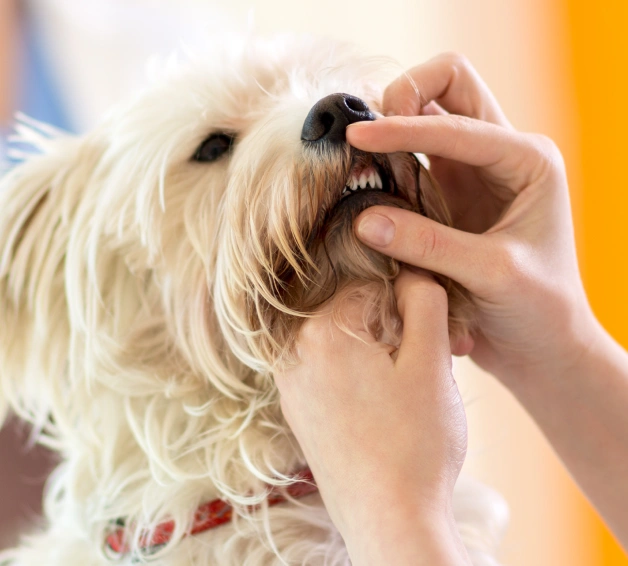
Bad breath in pets is a common issue and can often be an early sign of dental disease or infection. If your pet’s breath has a strong or unpleasant odor, be sure to mention it during their regular veterinary exam—or feel free to call us to discuss it. Early attention can help prevent more serious health problems.
Dental Disease in Pets
Ignoring your pet’s bad breath may lead to more than just an unpleasant odor—it can signal underlying dental disease. When left untreated, dental issues can cause pain, infection, and harmful bacterial buildup, potentially affecting your pet’s overall health.
Common Signs of Dental Disease in Pets:
- Persistent bad breath
- Yellow, brown, or discolored teeth
- Red, swollen, or bleeding gums
- Excessive drooling
- Pawing at the face or mouth
- Difficulty chewing or eating
- Swallowing food without chewing
- Favoring one side of the mouth while eating
Pet Dental Cleaning
If your pet is diagnosed with dental disease or infection, brushing at home is not enough—professional dental cleaning is required. This procedure allows our veterinarians to thoroughly clean below the gum line and eliminate harmful bacteria.
All dental cleanings are performed under general anesthesia to ensure the safety and comfort of your pet, as well as the safety of our veterinary team.
Pet Dental Examination
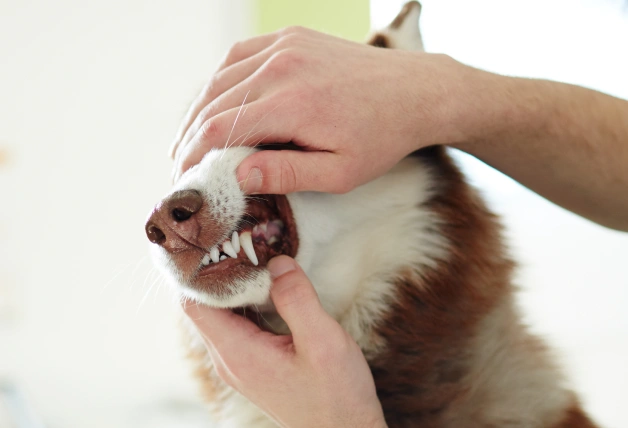
At Parkland Animal Clinic, we prioritize dental care as a vital part of your pet’s overall health. During every physical examination, our team carefully checks your pet’s teeth and gums for any signs of dental disease.
If we detect any concerns, we may recommend digital radiographs. These images allow us to examine below the gum line, where dental disease often hides. Radiographs help us determine the presence and severity of dental issues, identify areas most affected, and assess whether any teeth are infected or damaged. If extractions are necessary, we will discuss a detailed treatment plan with you before proceeding.
At-home Dental Care for Pets
Maintaining your pet’s dental health starts at home. While our team provides thorough oral exams during routine visits, daily care between appointments is essential. We encourage you to speak with our veterinarians about pet-friendly dental products and at-home treatment options tailored to your pet's needs.
We understand that not all pets are eager participants when it comes to tooth brushing. If your pet tolerates it, that’s fantastic! If not, don’t worry—there are effective alternatives such as dental rinses, chews, treats, and toys designed to support oral hygiene.
If you’ve recently welcomed a new pet, begin brushing their teeth early. Introducing dental care at a young age can help your pet become more comfortable and cooperative over time.