Kennel cough in dogs is a common respiratory illness that spreads easily between pets, especially in places where dogs gather, such as boarding facilities, parks, and grooming centers. Many pet owners worry whether kennel cough can affect humans and how serious the condition may become.
In this guide, you will learn what causes kennel cough in dogs, whether humans can catch it, the common symptoms to watch for, and when your dog may need veterinary attention. We will also explain how wellness care and preventive measures can reduce the risk of infection.
What Is Kennel Cough in Dogs?
Kennel cough in dogs is a highly contagious respiratory infection that affects a dog’s upper airway. Veterinarians often refer to it as Canine Infectious Respiratory Disease Complex (CIRDC). The condition usually causes inflammation in the trachea and bronchial tubes.
Several viruses and bacteria can cause kennel cough. The most common is the bacterium Bordetella bronchiseptica, but viruses like canine parainfluenza and canine adenovirus can also contribute.
Dogs often catch the infection through:
- Direct contact with infected dogs
- Shared water bowls or toys
- Airborne droplets from coughing or sneezing
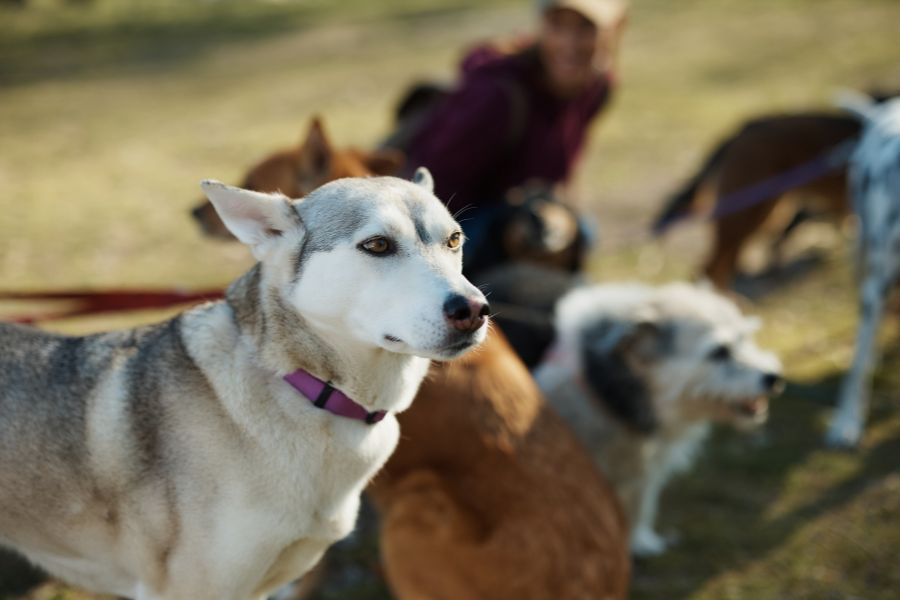
- Crowded environments such as kennels, dog parks, shelters, and daycare facilities
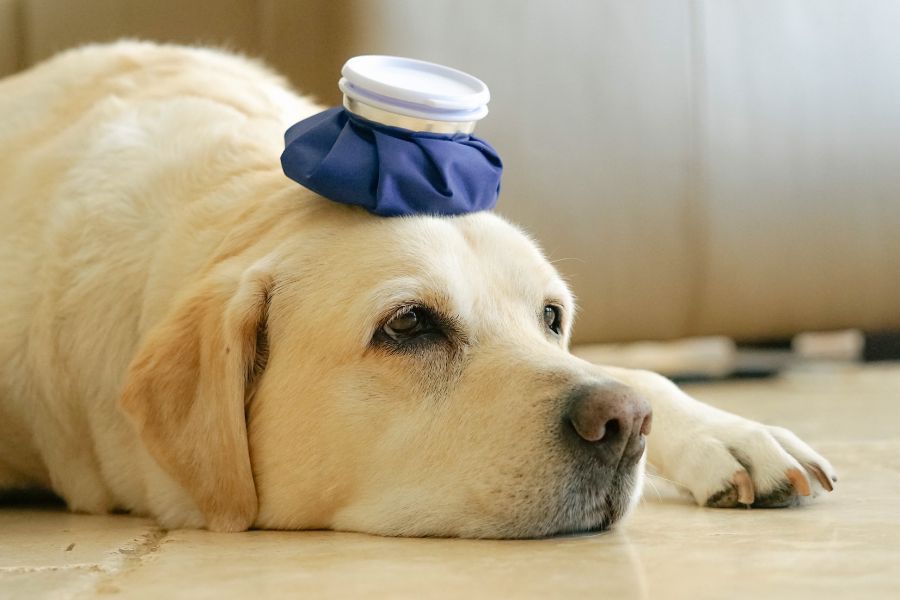
While kennel cough often appears mild, it can become more serious in puppies, senior dogs, or pets with weak immune systems.
Common Symptoms of Kennel Cough
The most recognizable symptom of kennel cough in dogs is a persistent, dry cough that may sound like a honking goose.
Other signs can include:
- Frequent coughing fits, especially after exercise
- Sneezing
- Runny nose
- Mild fever
- Low energy
- Reduced appetite in more severe cases
Many dogs continue to act normally despite the cough, but that does not mean the infection should be ignored. If symptoms last longer than a week or begin to worsen, veterinary evaluation is recommended.
Can Humans Catch Kennel Cough From Dogs?
One of the most common concerns among pet owners is whether kennel cough in dogs can spread to people. The good news is that transmission to humans is extremely rare. The bacteria Bordetella bronchiseptica, which often causes kennel cough, can technically infect humans, but this almost always happens only in individuals with severely weakened immune systems.
Healthy adults and children are very unlikely to catch kennel cough from a dog.
However, extra caution may be necessary if someone in the household has:
- A compromised immune system
- Chronic lung disease
- Recent organ transplant
- Chemotherapy treatment
In these cases, limiting close contact with an infected dog until recovery is a smart precaution.
How Kennel Cough Spreads Between Dogs
Dogs can spread kennel cough quickly because the infection travels through airborne respiratory droplets.
Places where transmission commonly occurs include:
- Boarding facilities
- Dog parks
- Grooming salons
- Dog daycare centers
- Training classes
- Animal shelters
When an infected dog coughs, bacteria and viruses can spread through the air. Nearby dogs may inhale these particles and become infected. Symptoms usually appear two to ten days after exposure. Because the disease spreads so easily, isolation from other dogs during recovery is important.
How Veterinarians Diagnose Kennel Cough
Diagnosing kennel cough in dogs typically involves a physical exam and reviewing your dog’s recent activities or exposure to other dogs.
Veterinarians may:
- Listen to the lungs and airway
- Gently press the trachea to trigger a cough response
- Ask about recent boarding, grooming, or dog park visits
- Check temperature and overall health
In complicated cases, additional testing such as chest X-rays or lab testing may be recommended to rule out pneumonia or other respiratory illnesses.
Treatment Options for Kennel Cough
Most mild cases of kennel cough improve within one to three weeks with rest and supportive care.
Veterinarians may recommend:
- Cough suppressants
- Anti-inflammatory medication
- Antibiotics if bacterial infection is suspected
- Humidified air to soothe irritated airways
At home, pet owners can help their dog recover by:
- Encouraging rest and avoiding strenuous exercise
- Using a harness instead of a collar to reduce airway pressure
- Providing plenty of fresh water
- Keeping the dog away from other pets until fully recovered
In more severe cases, especially if pneumonia develops, hospitalization and oxygen support may be required.
When to Call the Vet
Although many dogs recover from kennel cough without complications, some symptoms require immediate veterinary attention.
Contact your veterinarian if your dog shows:
- Difficulty breathing
- High fever
- Persistent coughing lasting more than 7–10 days
- Thick nasal discharge
- Loss of appetite
- Lethargy or weakness
- Blue or pale gums
Puppies, senior dogs, and dogs with existing medical conditions are at higher risk for complications, so early care is important.
How Wellness Care Helps Prevent Kennel Cough
Routine wellness care plays an important role in preventing respiratory infections like kennel cough.
Preventive care may include:
Vaccinations
The Bordetella vaccine helps protect against the most common bacterial cause of kennel cough. Many boarding facilities require this vaccination.
Routine Health Exams
Regular vet visits help detect early health problems and keep your dog’s immune system strong.
Good Hygiene
Cleaning water bowls, bedding, and toys helps reduce exposure to bacteria and viruses.
Avoiding Sick Dogs
If you notice a dog coughing at the park or daycare, it is best to keep your pet at a safe distance. Consistent preventive care reduces the likelihood of infection and helps pets recover faster if they do become ill.
How Long Does Kennel Cough Last?
Most cases of kennel cough in dogs resolve within two to three weeks. However, the cough may linger even after the infection begins to clear. Dogs can still spread the illness during this time, so keeping them away from other pets until symptoms disappear is recommended. If the cough continues beyond three weeks or worsens, a veterinary follow-up is important to rule out complications.
Kennel cough in dogs is a common and highly contagious respiratory infection, but in most cases, it is mild and treatable. The risk of humans catching the illness is extremely low, although caution may be necessary for individuals with weakened immune systems.
Pet owners should monitor coughing symptoms closely and seek veterinary care if signs worsen or persist. Preventive wellness care, including vaccinations and regular health exams, can greatly reduce the chances of infection. Pet owners from Parkland, Coral Springs, Coconut Creek, Boca Raton, and Margate in Florida can also benefit by receiving guidance from a knowledgeable vet at Parkland Animal Clinic.
If your dog is coughing or showing signs of illness and you are searching for “vet near me”, then the team at Parkland Animal Clinic in Parkland, FL can provide professional guidance, diagnosis, and treatment. Schedule an appointment to keep your pet healthy and breathing comfortably.
FAQs
Q1: What does kennel cough in dogs sound like?
Ans: Kennel cough usually sounds like a dry, hacking cough that may resemble a goose honking. Dogs may cough repeatedly, especially after activity.
Q2: Can vaccinated dogs still get kennel cough?
Ans: Yes, vaccinated dogs can still get kennel cough because several viruses can cause it. However, the vaccine often reduces the severity of symptoms.
Q3: How contagious is kennel cough among dogs?
Ans: Kennel cough spreads very easily through airborne droplets, shared water bowls, and close contact with infected dogs.
Q4: Should I isolate my dog if it has kennel cough?
Ans: Yes, dogs with kennel cough should stay away from other pets until symptoms disappear to prevent spreading the infection.
Q5: How can wellness care reduce the risk of kennel cough?
Ans: Wellness care includes vaccinations, routine veterinary exams, and maintaining good hygiene, all of which help protect dogs from respiratory infections.