8017 N. University Dr, Parkland, FL 33067

When it comes to your pet’s health, most owners think first of diet, exercise, or regular vet visits. But there’s one crucial factor that often gets overlooked — hydration. Water is the foundation of life, and for pets, it’s just as vital as proper nutrition. Whether you have a playful pup or a curious cat, maintaining adequate hydration levels supports every aspect of their well-being — from digestion to brain function.
Let’s dive into why water plays such an essential role in pet nutrition, how to identify signs of dehydration, and what you can do to keep your furry friend healthy and hydrated every day.
Water: The Unsung Hero of Pet Nutrition
Water is more than just a thirst-quencher — it’s the most vital nutrient in your pet’s diet. In fact, animals can survive longer without food than without water. About 60–80% of your pet’s body is composed of water, which supports essential physiological functions such as:
- Regulating body temperature
- Transporting nutrients and oxygen
- Lubricating joints
- Aiding digestion and nutrient absorption
- Flushing out toxins and waste
When pets lose more fluids than they take in, even slightly, it can disrupt these functions and lead to dehydration, which poses serious health risks if ignored.
Hydration vs. Nutrition: Spot the Difference
Many pet owners assume that feeding a balanced diet is enough — but that’s where the difference lies. Nutrition fuels your pet’s body, while hydration keeps those nutrients flowing where they’re needed most.
Here’s a quick comparison to highlight the distinction:
| Aspect | Nutrition | Hydration |
|---|---|---|
| Primary Role | Provides energy and nutrients | Regulates bodily functions and fluid balance |
| Key Source | Pet food (dry, wet, or raw) | Water (drinking, food moisture) |
| Deficiency Effects | Weight loss, weakness, nutrient imbalance | Fatigue, overheating, organ stress |
| Daily Requirement | Depends on diet and activity level | 1 ounce of water per pound of body weight (average) |
👉 Spot the difference: While nutrition builds strength, hydration keeps that strength working. Without water, even the best diet can’t perform its job effectively.
How Dehydration Affects Your Pet’s Body
Even mild dehydration can take a toll on your pet’s health. When your pet doesn’t drink enough water, their body starts conserving fluids, which means toxins can build up and organs may struggle to function properly.
Some common consequences of dehydration include:
- Reduced energy and lethargy
- Dry nose and gums
- Loss of skin elasticity
- Decreased appetite
- Constipation or urinary issues
- Increased risk of kidney disease
In severe cases, dehydration can cause organ failure or even become life-threatening. That’s why early recognition and prevention are critical.
Recognizing the Warning Signs of Dehydration
Your pet can’t tell you when they’re thirsty, but their body will give clues. Watch out for these signs:
- Sticky or dry gums
- Panting excessively
- Sunken eyes
- Thick saliva
- Dark yellow urine or reduced urination
- Loss of appetite
- Weakness or dizziness
Pro Tip: Perform a simple skin elasticity test. Gently lift the skin at the back of your pet’s neck — if it doesn’t snap back quickly, your pet may be dehydrated.
If you notice multiple symptoms, consult your veterinarian immediately. Dehydration can escalate quickly, especially in older pets or those with existing medical conditions.
How Food Choices Affect Hydration Levels
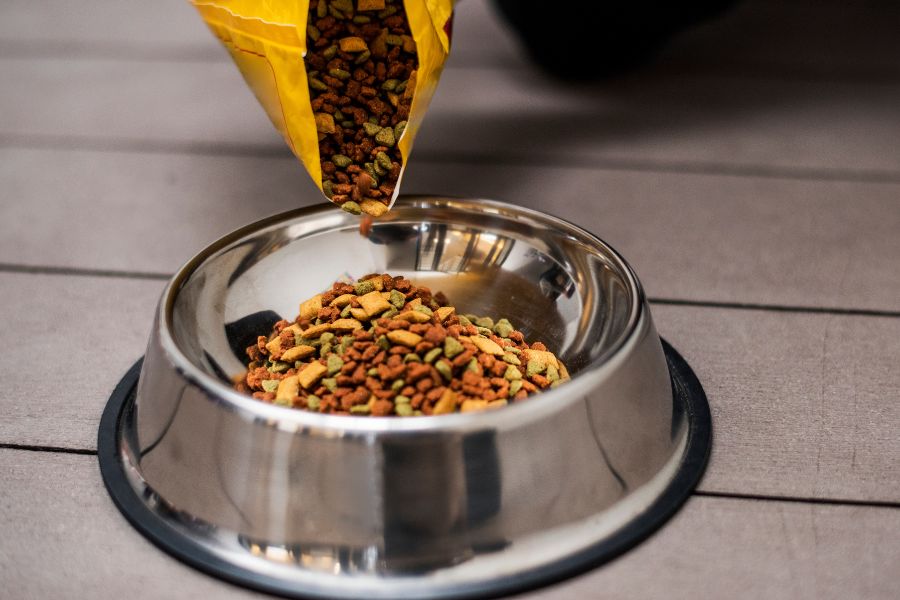
Did you know that the type of food you serve your pet influences their hydration levels? Dry kibble typically contains only 10% moisture, while canned or wet food can contain up to 80%.
For pets that are picky drinkers, switching to a wet food diet can make a significant difference. You can also try mixing warm water or low-sodium broth into their meals for an extra hydration boost.
Additionally, some fruits and vegetables — like cucumbers, watermelon, and zucchini — are safe for pets (in moderation) and help increase fluid intake naturally.
Creative Ways to Encourage Your Pet to Drink More
Not all pets drink enough water voluntarily, especially cats. Fortunately, there are creative ways to encourage hydration:
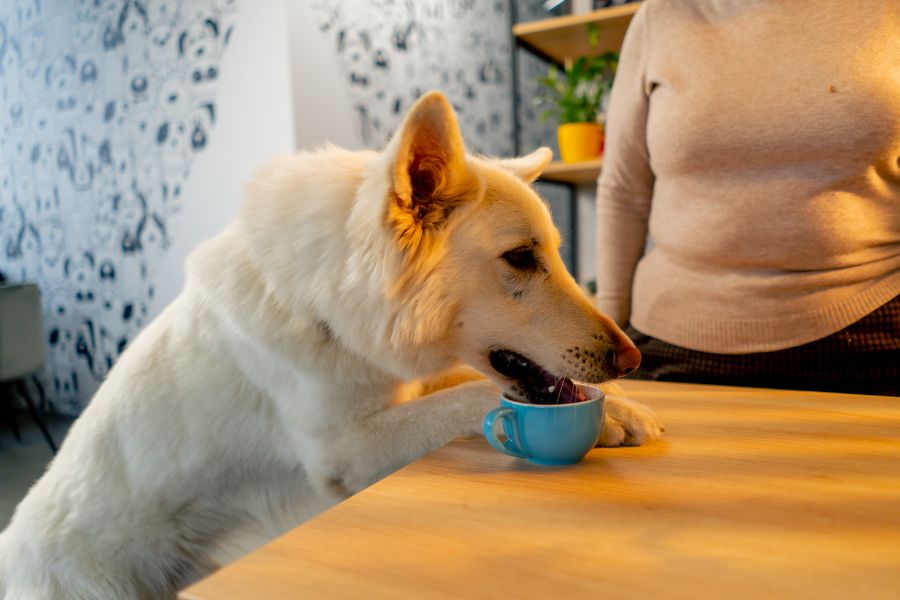
- Use a pet water fountain: Flowing water attracts pets and keeps it fresh.
- Keep multiple water bowls: Place them around your home, especially near favorite resting spots.
- Refresh water daily: Clean bowls regularly to avoid bacteria buildup.
- Flavor it up: Add a splash of tuna water (for cats) or chicken broth (for dogs) to make it more appealing.
- Invest in stainless steel bowls: They keep water cooler and taste-free.
Transitioning to these small habits can make a noticeable difference in your pet’s overall hydration and vitality.
Hydration Needs by Season and Lifestyle
Hydration isn’t a “one-size-fits-all” rule. Your pet’s water needs can change depending on the weather, age, and activity level.
- Hot weather: Pets lose more water through panting and need frequent refills.
- Cold weather: Don’t assume your pet drinks less; indoor heating can also cause dehydration.
- Active pets: Dogs that run, play, or work outdoors need higher fluid intake.
- Senior pets: Older animals have reduced thirst drive — encourage gentle reminders to drink.
Monitoring these factors helps you adjust their hydration plan accordingly.
Why Hydration is Linked to Preventive Health
Proper hydration plays a vital role in preventive care, supporting every organ system in your pet’s body. For example:
- Kidneys: Water flushes toxins and supports filtration.
- Digestive system: It aids in smoother digestion and nutrient absorption.
- Joints: Lubricated joints reduce stiffness and promote mobility.
- Skin and coat: Hydration keeps skin supple and fur shiny.
Even your pet’s dental health can benefit from hydration. Adequate water intake washes away food particles and bacteria, reducing bad breath and gum problems. For professional care, trusted veterinary clinics like those offering pet dentistry parkland services can help maintain your pet’s oral hygiene — an essential part of overall wellness.
Building a Hydration Routine for Long-Term Health
Consistency is key when it comes to hydration. Here’s how to build a daily hydration routine for your pet:
- Refill and refresh bowls at least twice a day.
- Track your pet’s drinking habits to spot changes early.
- Incorporate high-moisture foods into meals.
- Avoid excessive salt or sugary treats that increase dehydration risk.
- Encourage breaks for water during walks or playtime.
By making hydration part of your pet’s routine, you’re laying the foundation for lasting health and happiness.
Hydration isn’t just about quenching thirst — it’s about nourishing life from the inside out. When your pet stays hydrated, every cell, tissue, and organ functions better. It enhances their energy, improves digestion, strengthens immunity, and supports overall wellness.
Keeping your pet properly hydrated is one of the simplest ways to support their overall health and well-being. If you have questions about your pet’s nutrition or hydration needs, book online with Parkland Animal Clinic and let our experienced veterinary team provide personalized care to help your companion thrive.