8017 N. University Dr, Parkland, FL 33067

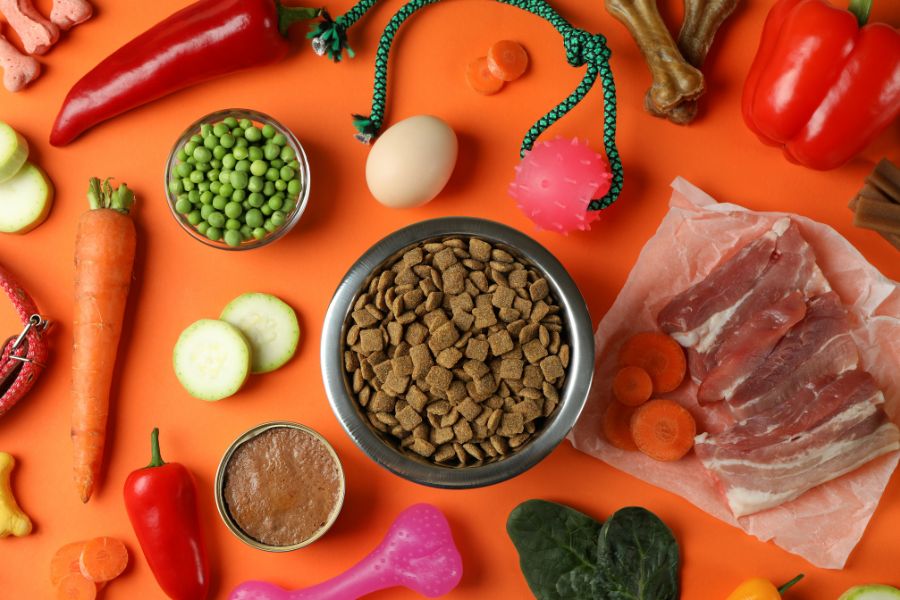
Keeping pets healthy goes beyond regular check-ups and exercise—it begins with the food they eat. Just like humans, pets thrive when their diets are balanced and rich in essential nutrients. What’s more, good nutrition doesn’t only affect their weight or energy levels; it also plays a vital role in oral health. Poor eating habits can increase the risk of dental problems, while mindful feeding choices can protect your pet’s teeth and gums for years to come.
In this guide, we’ll explore how nutrition shapes your pet’s health, ways to build lasting eating habits, and the important connection between diet and dental care.
Why Nutrition Is More Than Just Food in a Bowl
Nutrition is the foundation of your pet’s overall health. Proteins, fats, carbohydrates, vitamins, and minerals all work together to fuel the body, strengthen immunity, and promote organ function. However, when the diet is unbalanced or packed with fillers, pets can face consequences ranging from obesity to dental disease.
The food you choose doesn’t just fill their stomach—it determines their long-term wellness. For example, crunchy kibble can help scrape away plaque, while a diet high in sugar or starch can fuel bacterial growth in the mouth. Simply put, what goes into the bowl can influence what happens in the mouth.
The Connection Between Nutrition and Dental Health
It may surprise many pet parents that diet directly impacts dental well-being. Pets that consume high-carbohydrate or soft foods often develop plaque and tartar faster than those that eat diets designed with oral health in mind. Over time, this buildup can lead to gum disease, tooth decay, and even infections that affect other organs.
Chewing on fibrous vegetables or specially formulated dental treats can stimulate saliva production, which naturally rinses away bacteria. Similarly, nutrient-rich foods containing calcium and phosphorus support strong teeth and bones.
This is where the bond between nutrition and pet dentistry becomes clear: a thoughtful diet not only nourishes the body but also prevents painful dental issues. In fact, many veterinarians in services like pet dentistry in Parkland emphasize how nutrition and dental care go hand in hand.
Building Healthy Eating Habits: Where to Begin
Transitioning your pet toward healthier eating doesn’t have to be overwhelming. Here are practical steps to guide the process:
Choose Quality Over Quantity
Not all pet foods are created equal. Look for options with real protein sources (like chicken, fish, or beef) listed first on the label. Avoid products with excessive fillers, artificial flavors, or preservatives.
Set a Consistent Feeding Schedule
Free-feeding can often lead to overeating and obesity. Instead, feed your pet at scheduled times each day. This habit regulates their digestion, maintains a healthy weight, and gives you better control over their portions.
Add Nutrient-Rich Fresh Foods
When safe, add pet-friendly fresh foods such as carrots, apples (without seeds), or green beans. These crunchy snacks not only deliver vitamins but also promote cleaner teeth and fresher breath.
Hydration Matters
Water is often overlooked, but it’s essential for digestion, kidney function, and saliva production. Fresh water keeps your pet’s mouth cleaner and reduces bacterial buildup.
The Red Flags of Poor Nutrition
Recognizing the signs of poor nutrition can help you take action early. Watch out for:
- Bad breath or persistent tartar buildup
- Dull coat or excessive shedding
- Low energy or lethargy
- Frequent digestive issues like diarrhea or constipation
- Sudden weight gain or loss
If you notice these symptoms, a veterinary check-up can confirm whether the diet is the root cause.
Treats and Chews: Allies or Enemies?
Treats are a wonderful way to reward your pet, but not all of them support healthy eating habits. Sticky, sugary, or overly processed treats can do more harm than good, especially for dental health. Instead, opt for dental chews approved by veterinary associations. These chews are designed to reduce plaque, freshen breath, and satisfy chewing instincts.
Think of treats as an extension of your pet’s diet, not a separate indulgence. A treat that promotes oral hygiene is a win-win for your furry companion.
Partnering With Your Veterinarian
Even the most well-planned diet benefits from professional input. Veterinarians can recommend tailored nutrition plans based on your pet’s age, breed, and health condition. They can also perform dental exams to identify hidden problems that nutrition alone may not solve.
Regular check-ups ensure that both your pet’s diet and dental care are on track. A balanced approach—feeding wisely while scheduling professional dental cleanings—creates a strong foundation for lifelong health.
Healthy eating habits play a vital role in supporting your pet’s overall health, energy, and long-term well-being. Combined with routine veterinary care, proper nutrition helps your furry companion live a happier, healthier life. If you have questions about your pet’s diet or nutritional needs, book online with Parkland Animal Clinic. Our experienced team is here to provide personalized guidance and compassionate care for every stage of your pet’s life.