8017 N. University Dr, Parkland, FL 33067

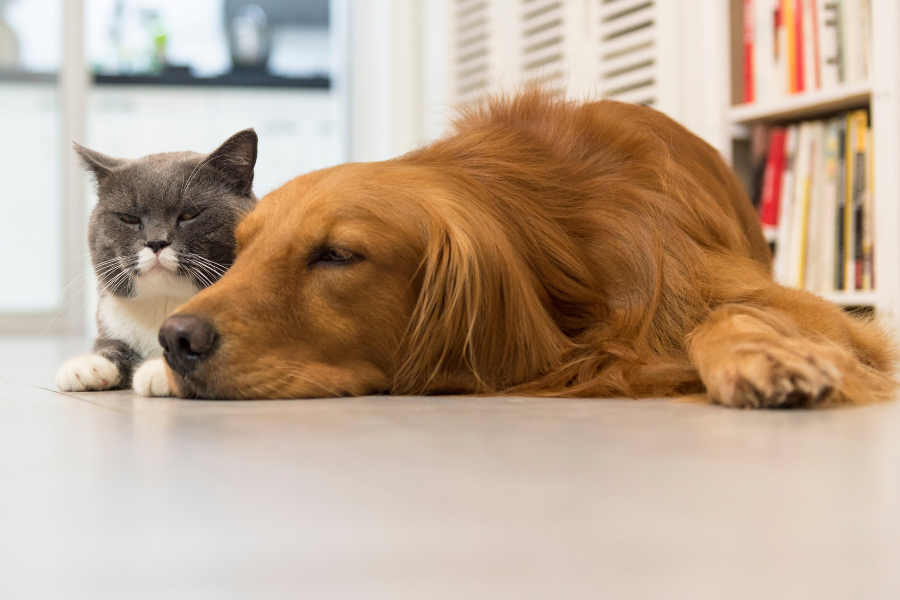
Pets often spend a good part of the day sleeping, resting, or relaxing beside their families. However, there is a difference between a pet enjoying a quiet afternoon and one who seems unusually tired, weak, or uninterested in normal activities. If your dog refuses a favorite walk or your cat stops greeting you at mealtime, these changes may be worth paying attention to. Unusual tiredness can develop after extra activity, but it can also be a sign of pain, illness, dehydration, or another health problem. Knowing what is normal for your pet can help you recognize when something is wrong. Understanding the possible causes, warning signs, and next steps can help you decide when your pet needs veterinary care.
What Does Unusual Tiredness in Pets Mean?
Unusual tiredness in pets means your dog or cat has noticeably less energy than normal, seems weak, or shows less interest in everyday activities. When this change is more than ordinary sleepiness, it may be a sign of lethargy, a condition in which a pet is unusually inactive or less responsive than usual. If the tiredness is sudden, severe, or accompanied by other symptoms, contact a veterinarian promptly.
A tired pet may sleep longer after a busy day, warm weather, or an unfamiliar experience. Most pets return to their usual behavior after resting. A pet experiencing a health problem, however, may continue to seem withdrawn or struggle to complete normal activities.
Look for changes such as:
- Sleeping much more than usual or having trouble getting up.
- Losing interest in walks, playtime, toys, or family interaction.
- Eating or drinking less than normal.
- Moving slowly, seeming weak, or avoiding stairs.
- Hiding, acting unusually quiet, or appearing uncomfortable.
Your pet’s age, daily routine, and medical history can help put these signs into context. Puppies and kittens may have bursts of energy followed by long naps, while older pets may naturally move more slowly. Still, a sudden change should not automatically be blamed on age.
What Can Cause Unusual Tiredness in Dogs and Cats?
There are many possible reasons for low energy in pets. Some are temporary, while others need veterinary attention. The cause often depends on how quickly the tiredness started and whether other symptoms are present.
Common causes include:
- Extra activity or stress: A long walk, a busy day, travel, or a change in routine may leave a pet tired for a short time.
- Dehydration or overheating: Not getting enough water or spending too much time in hot weather can lead to weakness and reduced activity.
- Digestive problems: Nausea, vomiting, diarrhea, or stomach discomfort may cause a pet to eat less and rest more.
- Pain or injury: Pets may become quiet or avoid movement when they have sore joints, a wound, or another painful condition.
- Infections and other illnesses: Various health problems can affect energy, appetite, and normal behavior.
- Long-term health conditions: Problems affecting organs, blood sugar, or the body’s ability to carry oxygen may cause ongoing tiredness.
Pets can also become tired after eating something harmful, including certain human foods, medications, plants, or household products. If you suspect your pet swallowed something unsafe, do not wait for additional symptoms before seeking advice.
Because these causes can look similar at home, tiredness alone cannot identify the problem. Pay attention to when the change began, how severe it is, and whether your pet is eating, drinking, urinating, and moving normally.
What Other Signs Should You Watch For?
Unusual tiredness becomes more concerning when it occurs alongside changes in appetite, breathing, movement, or bathroom habits. These details can help your veterinarian understand what may be happening.
Watch for the following signs:
- Vomiting or diarrhea, especially if repeated or accompanied by weakness.
- Refusing food or water.
- Pale, blue, gray, or unusually discolored gums.
- Rapid, labored, or noisy breathing.
- A swollen or painful belly.
- Difficulty standing, walking, or staying balanced.
- Straining to urinate or being unable to pass urine.
- Unusual thirst or changes in how often your pet urinates.
- Confusion, collapse, or a reduced response to your voice or touch.
Some symptoms require immediate veterinary attention. Seek urgent care if your pet collapses, has trouble breathing, cannot stand, experiences a seizure, has pale or blue gums, or becomes difficult to wake. Repeated vomiting, a swollen abdomen, or suspected poisoning also needs prompt assessment.
Do not force food, water, or medication into a weak or poorly responsive pet. If your pet seems severely unwell, call a veterinary clinic while arranging transport so the team can advise you on the safest next steps.
How Do Vets Diagnose and Treat Unusual Tiredness?
A veterinarian will look at the whole picture rather than treating tiredness as a condition on its own. The examination may include checking your pet’s temperature, heart rate, breathing, hydration, gum color, movement, and signs of pain. The vet will also ask about appetite, drinking, bathroom habits, recent activity, medications, and possible exposure to unsafe substances.
Depending on the findings, testing may include bloodwork, urine testing, X-rays, or ultrasound. Not every pet needs every test. The goal is to identify the likely cause and choose care that fits your pet’s needs.
For example, imagine a hypothetical dog named Milo who stops greeting his family and refuses his usual evening walk. His family also notices that he is eating less than normal. During the veterinary examination, the vet finds signs that need further investigation and recommends appropriate testing before deciding on treatment. This illustrates why a clear timeline and details about other behavior changes can be valuable, even when the cause is not obvious at home.
Treatment depends on the diagnosis. It may involve fluids for dehydration, medication for a specific illness, pain relief when appropriate, dietary guidance, or additional care for a more serious condition. Follow the veterinarian’s instructions and avoid giving human medication unless a vet specifically directs you to do so.
What Can You Do at Home When Your Pet Seems Tired?
If your pet is mildly tired after extra activity but otherwise behaves normally, allow a quiet period of rest and keep fresh water available. Observe closely to see whether energy returns and whether any other signs appear. Do not assume that rest alone is enough if the tiredness is unusual, persists, or worsens.
Here are useful steps you can take:
- Record the changes. Note when the tiredness started, whether it came on suddenly, and how your pet’s behavior differs from normal.
- Monitor eating and drinking. Check whether your pet is interested in food and water without forcing either.
- Watch bathroom habits. Look for diarrhea, vomiting, changes in urination, or difficulty passing urine.
- Keep activity gentle. Avoid strenuous exercise, especially in hot or humid weather.
- Check for possible hazards. Consider whether your pet may have reached medications, cleaning products, unsafe foods, plants, or trash.
- Contact your veterinarian when concerned. Describe the symptoms and ask how quickly your pet should be examined.
Do not give leftover prescriptions or over-the-counter human medicines. Some common medications can be dangerous to pets, and the right treatment depends on the cause of the symptoms.
If you suspect your pet has swallowed a potentially toxic substance, contact a veterinarian or animal poison-control service promptly. Do not try to make your pet vomit unless a veterinary professional specifically instructs you to do so.
When Should You Seek Urgent Veterinary Care?
The most important factor is the severity of the change. A pet that is slightly tired but alert, comfortable, and eating normally may need monitoring and veterinary advice if the behavior continues. A pet that is suddenly very weak or shows other warning signs should be assessed without delay.
Seek urgent veterinary care if your pet:
- Collapses, cannot stand, or has difficulty waking.
- Struggles to breathe or has blue, gray, or very pale gums.
- Has a seizure, severe confusion, or sudden difficulty walking.
- Has repeated vomiting or diarrhea with marked weakness.
- Develops a swollen abdomen or appears to be in severe pain.
- May have eaten a toxin or an unsafe medication.
- Cannot urinate or repeatedly strains without producing urine.
Even without these signs, contact your veterinarian if unusual tiredness lasts longer than expected, keeps returning, or comes with a reduced appetite, weight changes, increased thirst, or other behavior changes. Young pets, senior pets, and animals with existing health conditions may need earlier assessment. When calling, explain when the symptoms began and whether they are getting worse. Mention any changes in food, medication, activity, or possible exposure to harmful substances
How Can You Help Prevent Tiredness-Related Health Problems?
Not every cause of low energy can be prevented, but everyday care can help you notice problems earlier and reduce some risks.
- Provide fresh water and a comfortable resting area.
- Keep your pet’s routine, diet, and activity level appropriate for their age and abilities.
- Avoid strenuous outdoor activity during hot weather.
- Store medications, cleaning products, and unsafe foods where pets cannot reach them.
- Observe your pet’s normal energy, appetite, drinking, and bathroom habits.
- Arrange routine veterinary checkups and discuss any changes you notice.
Knowing what is normal for your pet is especially helpful. Some cats naturally prefer quiet spaces, while some dogs become tired after a long day of play. What matters most is a clear change from your pet’s usual behavior.
Helping Your Pet Get the Care They Need
Unusual tiredness can be caused by something as simple as extra activity, but it can also signal pain, dehydration, poisoning, or an underlying illness. Watch for changes in appetite, breathing, movement, and bathroom habits, and do not delay care if your pet is severely weak or has other warning signs.
If your pet’s energy level seems different from normal, the team at Parkland Animal Clinic in Parkland, FL, can help assess the signs and guide you on the next steps. Contact the clinic at 954-757-9990 for advice when tiredness persists, returns, or appears alongside other symptoms. Prompt attention can help identify the cause and give your pet the best chance of receiving appropriate care.
Frequently Asked Questions
Q1: What is the difference between normal sleepiness and lethargy in pets?
A: Normal sleepiness usually improves after rest, and your pet remains responsive and returns to regular activities. Lethargy involves a noticeable drop in energy, interest, or responsiveness. If the change is sudden, severe, or accompanied by other symptoms, contact a veterinarian.
Q2: Why is my dog or cat suddenly tired and not eating?
A: Sudden tiredness and loss of appetite can occur with pain, digestive problems, dehydration, infection, or other illnesses. Contact your veterinarian for guidance, especially if your pet refuses food, seems weak, or develops vomiting, diarrhea, or other symptoms.
Q3: Can hot weather make pets unusually tired?
A: Yes, heat and dehydration can reduce energy, but overheating can also become dangerous. Heavy panting, weakness, vomiting, confusion, or collapse after heat exposure needs urgent veterinary attention. Move your pet away from the heat and contact a veterinarian promptly.
Q4: When should I take a tired pet to Parkland Animal Clinic?
A: Contact Parkland Animal Clinic if your pet’s tiredness is unusual, persists, returns, or occurs with changes in appetite, drinking, or bathroom habits. Seek urgent care for severe weakness, difficulty breathing, collapse, suspected poisoning, or other serious warning signs.
Q5: Can I treat my tired pet at home?
A: Rest and access to fresh water may help if your pet is only mildly tired after activity and has no other concerning signs. However, home care cannot treat every cause of lethargy. Do not give human medication, and contact a veterinarian if you are unsure what is causing the change.