8017 N. University Dr, Parkland, FL 33067

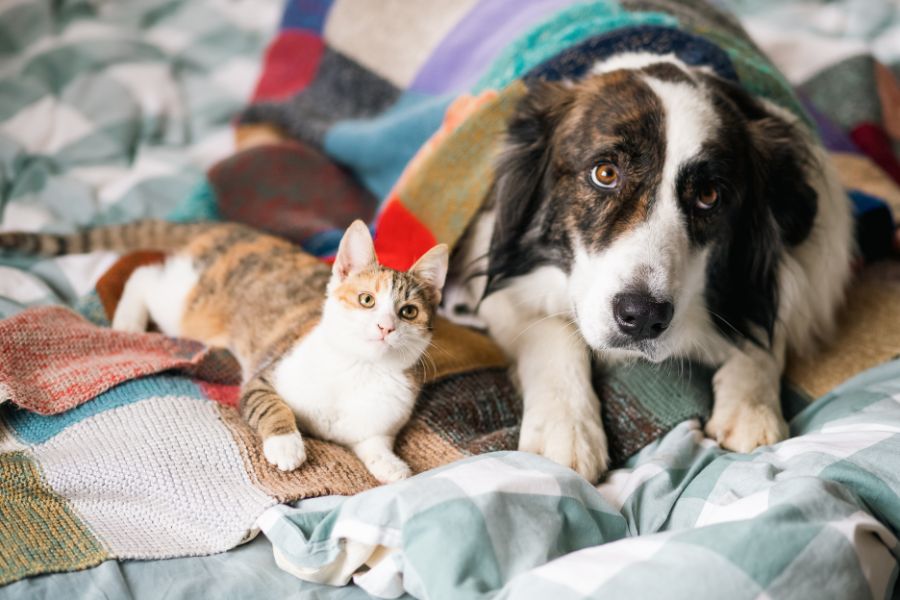
When your dog turns away from a full bowl for the second day in a row, it’s normal to feel worried and unsure what to do next. A pet not eating is one of the most common concerns pet owners bring to our clinic, and it’s not something to brush off. Appetite changes can signal anything from mild stomach upset to a serious underlying illness that needs prompt attention. Many dogs and cats we see have gone from a single skipped meal to days without food before their owners realized something was seriously wrong. The truth is that healthy pets rarely stop eating without a reason, and the reason matters. Two days without food is generally considered the point where professional evaluation becomes necessary, especially for cats. This guide walks you through what appetite loss means, the warning signs to watch closely, and exactly when it’s time to seek care right away.
Pet Not Eating: What 48 Hours Without Food Really Means
A single skipped meal rarely means an emergency. Pets sometimes turn down food because of stress, a new brand of kibble, or minor stomach upset that passes within a day. Cats are more sensitive to interruptions in eating than dogs, and even short gaps can lead to complications.
Once 24 to 48 hours pass without eating, the situation changes. Research on feline health shows that cats who go without food for more than two days risk developing a serious liver condition. Dogs tolerate short fasts better, but two days without food still points to a problem that needs a professional look.
Pet owners often tell us they assumed their animal would eat once truly hungry. Unfortunately, illness, pain, and nausea can override hunger entirely, which is why loss of appetite in pets should never be brushed aside as simple pickiness. Older pets and those with existing health conditions tend to be more vulnerable, so the same two-day guideline applies even more strictly for them.
When Should You Take Your Pet to Urgent Care for Not Eating
Take your pet to urgent care immediately if food refusal lasts more than 48 hours, or sooner if you notice vomiting, lethargy, or pain. Cats who refuse food for even 24 hours combined with other symptoms should be seen the same day. Waiting longer increases the risk of complications that become harder to treat.
Watch for these signs alongside a pet refusing food:
- Vomiting or diarrhea: signals digestive distress that needs evaluation rather than a wait-and-see approach.
- Noticeable weight loss or a sunken abdomen: suggests the body has started using stored energy reserves.
- Lethargy or hiding more than usual: often points to pain or an illness affecting the whole body.
- Difficulty swallowing or drooling: can indicate a dental problem or something stuck in the throat.
- Yellowing of the gums or eyes: a possible sign of liver trouble that needs urgent attention.
In our experience, pet owners who bring their animals in on day one after noticing these combined signs have far better outcomes than those who wait several more days. One of the most common questions we get is whether a picky pet is different from a sick one. A picky eater will usually accept treats or a favorite food, while a sick pet often turns away from everything offered.
What to Expect During Your Pet’s Urgent Care Visit
Walking into an unfamiliar clinic can feel stressful when your pet isn’t acting like themselves. Knowing what happens during the visit can ease some of that anxiety and help you feel prepared.
- Check-in and initial assessment: A technician records your pet’s symptoms, including how many meals they’ve missed and any other changes you’ve noticed at home.
- Physical exam: The veterinarian checks temperature, hydration, gum color, and abdominal comfort for signs of pain.
- Diagnostic testing: Bloodwork or imaging may be recommended to find the underlying cause of loss of appetite pets are experiencing.
- Treatment plan: Based on findings, your vet may recommend fluids, medication, or continued monitoring at home.
- Follow-up guidance: You’ll receive clear instructions on feeding and any signs that mean you should return.
Many dogs we see in Parkland arrive dehydrated after refusing both food and water, so fluid support is often part of the first visit. We frequently remind our clients that bringing a written list of symptoms and timing helps the visit move faster and get to answers sooner. Most visits are calmer than pet owners expect, and having a clear picture of what will happen tends to ease the worry considerably.
How Warm Weather and Stress Affect Your Pet’s Appetite
In Florida, we see appetite changes more often during periods of extreme heat, since pets naturally eat less when they’re overheated or mildly dehydrated. A common misconception is that pets will always start eating again once temperatures cool down on their own. In reality, prolonged heat stress can trigger nausea that lingers even after the weather improves.
Stress from travel, new pets in the home, or loud noises can also cause a pet refusing food to keep skipping meals well past the 48-hour mark. Knowing when to see vet care becomes especially important when stress and heat combine, since dehydration can set in quickly during warm months.
Cats hide illness well, and a same-day vet visit is often the safer choice rather than waiting to see if appetite returns on its own. A short car ride or a change in feeding schedule can also be enough to throw off a sensitive pet, so context matters when you’re deciding how urgently to act.
Why Local Pet Owners Trust Us With Urgent Appetite Concerns
When your pet refuses food and you’re unsure what to do next, having a trusted pet urgent care team nearby makes a real difference. At Parkland Animal Clinic in Parkland, FL, our veterinarians are experienced in evaluating sudden appetite changes quickly and thoroughly.
We offer a same-day vet visit so your pet doesn’t have to wait through days of not eating before getting real answers. Call us at 954-757-9990 when your pet needs urgent care, and our team at Parkland Animal Clinic will guide you through the next steps.
A pet not eating for more than two days is never something to ignore, even if your pet seems otherwise normal in every other way. Trust your instincts, watch closely for any additional symptoms, and don’t wait for hunger to return on its own. Knowing when to see vet care immediately can make all the difference for your pet’s recovery and comfort. A prompt visit gives your veterinary team the best chance to catch the underlying cause early, before it becomes harder to treat. Pet owners throughout Parkland can count on a fast, thorough evaluation the moment something feels off. Your pet can’t tell you what’s wrong, but changes in eating habits speak volumes. If it’s been two days, it’s time to have them checked; book an appointment today.
Frequently Asked Questions
Q1: What does it mean if my pet refuses food for two days?
Ans: It usually means something beyond a picky mood is going on. Two days without eating can point to illness, pain, dental problems, or stress, and it’s a strong signal to have your pet evaluated.
Q2: Is it more urgent for cats than dogs to eat regularly?
Ans: Yes. Cats can develop a serious liver condition when they go without food for an extended period, so appetite loss in cats should be taken seriously sooner than in dogs.
Q3: What symptoms alongside not eating mean I should seek care right away?
Ans: Vomiting, diarrhea, lethargy, drooling, or yellowing gums combined with food refusal are signs that call for prompt veterinary attention rather than waiting it out.
Q4: Can stress alone cause a pet to stop eating?
Ans: Yes, stress from travel, new pets, or environmental changes can reduce appetite, but if it continues past 48 hours, an exam helps rule out a medical cause.
Q5: Will my pet start eating again on their own?
Ans: Some mild cases resolve without treatment, but you shouldn’t count on it. If two days pass without food, professional evaluation gives your pet the best chance at a quick recovery.