8017 N. University Dr, Parkland, FL 33067

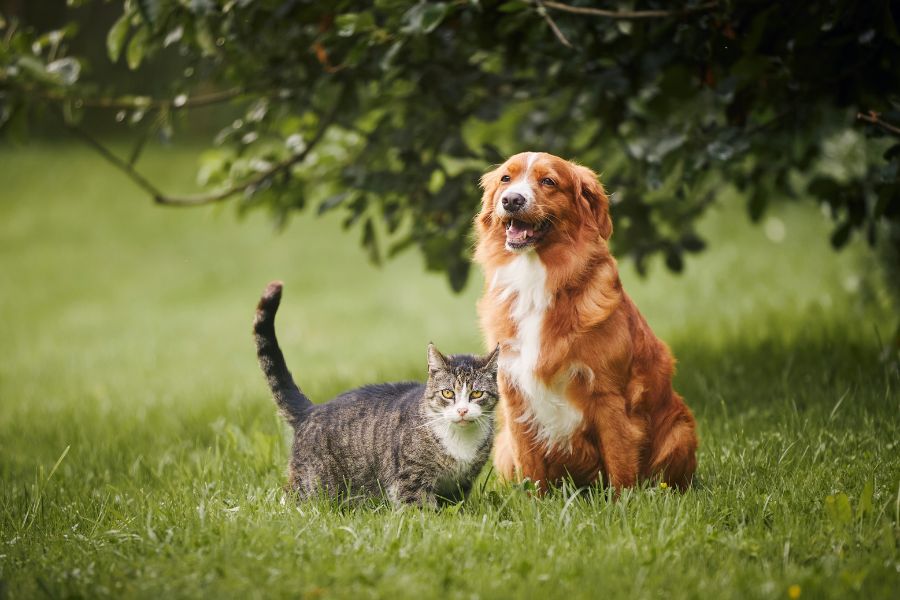
If you enjoy maintaining a healthy lawn, you may have noticed products that contain hydrogen peroxide as an ingredient. Seeing a familiar household chemical listed on a lawn treatment can naturally raise questions, especially if your dog loves rolling in the grass or your cat occasionally explores the yard. While hydrogen peroxide breaks down much faster than many other lawn care products, timing and proper use still matter. Understanding when treated grass is safe can help prevent unnecessary exposure and give you peace of mind. At Parkland Animal Clinic, Parkland, FL, pet owners frequently ask about lawn products and whether they pose a risk to curious dogs and cats. This guide explains how hydrogen peroxide works on grass, when it may become a concern, and the simple steps you can take to protect your pet.
Is Hydrogen Peroxide on Grass Safe for Dogs and Cats?
In many situations, properly diluted hydrogen peroxide that has completely dried on grass presents a very low risk to pets. Hydrogen peroxide is an unstable compound that naturally separates into water and oxygen after being exposed to sunlight, air, soil, and natural enzymes.
The greatest concern is before the product has dried or finished breaking down. If a dog walks across freshly treated grass, licks its paws, or drinks leftover solution, mild irritation may occur.
Think about hydrogen peroxide like the fizz you see when it is poured onto a cut. Those tiny bubbles are oxygen being released as the chemical reacts with organic material. The same process happens when it is applied to grass. Once the reaction is complete, very little active hydrogen peroxide remains.
| Question | Easy Scientific Explanation |
|---|---|
| What is hydrogen peroxide? | A liquid made from water with one extra oxygen atom (H₂O₂). |
| Why does it bubble? | It rapidly releases oxygen when it contacts organic material. |
| What happens after lawn application? | Sunlight, air, and soil break it into water and oxygen. |
| Why can fresh applications affect pets? | Wet solution may temporarily irritate the skin, eyes, or mouth. |
| Is dried grass usually safe? | Yes. Once the product has broken down, little active peroxide remains. |
Although hydrogen peroxide breaks down quickly, every lawn product should still be used exactly as directed by the manufacturer.
Why Is Hydrogen Peroxide Used on Lawns?
Many homeowners choose hydrogen peroxide because it works quickly and does not leave long-lasting chemical residues behind.
It may be used to:
- Reduce fungal growth
- Help manage algae and moss
- Improve oxygen around plant roots
- Clean certain organic buildup
- Support healthier grass growth
Unlike some lawn treatments that remain active for several days, hydrogen peroxide begins reacting almost immediately after application.
Easy Scientific Explanation
Plants need oxygen around their roots just as people need oxygen to breathe.
Hydrogen peroxide releases oxygen as it breaks apart. That temporary burst of oxygen may help improve conditions around grass roots while also affecting certain fungi and microorganisms living on the lawn.
| Purpose | How It Works | Pet Risk |
|---|---|---|
| Fungus control | Oxygen damages fungal cells | Low after drying |
| Algae reduction | Helps break apart algae | Low after drying |
| Root oxygenation | Releases extra oxygen into soil | Minimal |
| Surface cleaning | Helps reduce some organic buildup | Avoid contact while wet |
Because it naturally decomposes, hydrogen peroxide generally does not remain on the lawn for extended periods.
Can Hydrogen Peroxide on Grass Make Dogs or Cats Sick?
Most pets never experience problems after walking on grass that has completely dried following treatment. However, freshly applied hydrogen peroxide may temporarily irritate sensitive tissues if enough exposure occurs.
The level of risk depends on several factors:
- The concentration of the product
- Whether the lawn is still wet
- How much exposure occurred
- Whether the pet licked the product
- The size and age of the pet
Dogs are more likely than cats to run through recently treated grass because they often spend more time outdoors. Cats, however, may groom their paws thoroughly after walking across a treated area, increasing the chance of mouth exposure.
Easy Scientific Explanation
Hydrogen peroxide creates oxygen bubbles as it reacts.
When those bubbles contact sensitive tissues such as the mouth or stomach, they may temporarily irritate the surface. Larger exposures can cause more irritation because more oxygen is released in a short period.
| Exposure | What Happens | Possible Signs |
|---|---|---|
| Walking on wet grass | Mild skin irritation | Paw licking, redness |
| Grooming wet paws | Mouth irritation | Drooling, lip smacking |
| Eye exposure | Surface irritation | Squinting, tearing |
| Drinking leftover solution | Stomach irritation | Vomiting, discomfort |
Fortunately, serious illness from properly diluted lawn applications is uncommon when products are used according to label directions.
Signs That May Suggest Hydrogen Peroxide Exposure
If your pet had access to recently treated grass before it dried, monitor for changes over the next several hours.
Possible signs include:
- Excessive drooling
- Frequent paw licking
- Mild vomiting
- Lip smacking
- Red or irritated skin
- Watery or red eyes
- Paw sensitivity
- Temporary loss of appetite
- Mild stomach upset
Most mild irritation improves after the exposure ends.
However, larger exposures or contact with concentrated hydrogen peroxide products stored in the garage or home can produce more serious symptoms, including:
- Repeated vomiting
- Difficulty swallowing
- Mouth irritation
- Swelling around the lips
- Weakness
- Difficulty breathing
If these symptoms occur, your pet should be examined by a veterinarian promptly.
How Do Veterinarians Evaluate Hydrogen Peroxide Exposure?
When a pet is brought in after possible lawn chemical exposure, the first step is determining what product was used and how much exposure occurred.
Your veterinarian may ask:
- What concentration was applied?
- When was the lawn treated?
- Was the grass still wet?
- Did your pet lick its paws?
- Was any concentrated product swallowed?
- Have symptoms already started?
The physical examination focuses on areas that commonly come into contact with hydrogen peroxide.
| Area Examined | Why It Is Checked |
|---|---|
| Mouth | Looks for irritation or burns |
| Eyes | Detects redness or inflammation |
| Skin and paws | Checks for redness or discomfort |
| Stomach | Evaluates signs of digestive irritation |
| Overall hydration | Determines whether vomiting has caused dehydration |
Depending on your pet’s condition, treatment recommendations may vary from simple monitoring to supportive veterinary care.
How Are Pets Treated After Hydrogen Peroxide Exposure?
Treatment depends on how your pet was exposed, the concentration of the product, and the severity of the symptoms. A dog that briefly walked across damp grass may only need monitoring, while a pet that swallowed concentrated hydrogen peroxide may require much more extensive care.
Your veterinarian’s first goal is to reduce irritation and keep your pet comfortable while checking for complications.
Possible treatments include:
- Physical examination
- Flushing irritated eyes with sterile solution
- Washing paws or skin to remove remaining product
- Medications to reduce stomach irritation when appropriate
- Anti-nausea medication if vomiting continues
- Intravenous fluids if dehydration develops
- Observation until symptoms improve
Easy Scientific Explanation
The body naturally repairs mild irritation once the chemical is removed.
For example, rinsing hydrogen peroxide from your pet’s paws prevents additional contact, allowing the skin to recover. If the stomach becomes irritated, supportive medications help reduce inflammation while the digestive lining heals.
| Problem | Possible Veterinary Care |
|---|---|
| Mild skin irritation | Gentle cleansing and soothing care |
| Eye exposure | Sterile eye flushing |
| Paw irritation | Thorough washing and examination |
| Mild stomach upset | Supportive medication and monitoring |
| Continued vomiting | Additional diagnostics and supportive treatment |
Every exposure is different, so treatment is always tailored to your pet’s individual condition.
Hypothetical Example
Imagine a Golden Retriever named Charlie whose family treated their backyard with a hydrogen peroxide-based lawn product to help manage seasonal fungus. Although the instructions recommended keeping pets away until the grass had dried completely, Charlie slipped outside shortly after application and happily rolled through the damp lawn before licking his paws.
Later that afternoon, Charlie developed mild drooling and vomited once. Concerned, his owners contacted their veterinarian and brought him in for evaluation. After a thorough examination, the veterinary team determined that Charlie’s symptoms were consistent with mild irritation from recent exposure rather than serious poisoning. Following supportive care and monitoring, Charlie recovered well. His family now waits until treated areas are completely dry before allowing him back outside.
This example illustrates how even a minor exposure can cause temporary irritation, while simple preventive steps can greatly reduce future risk.
How Can Pet Owners Reduce the Risk?
Fortunately, preventing exposure is usually simple.
Helpful safety tips include:
- Always read the product label before applying lawn treatments.
- Keep pets indoors during application.
- Allow treated grass to dry completely before allowing pets outside.
- Follow all manufacturer waiting period recommendations.
- Wipe your dog’s paws after walks if you are unsure whether the grass was recently treated.
- Prevent pets from drinking leftover lawn solution.
- Store concentrated hydrogen peroxide safely out of reach.
- Supervise curious puppies and kittens around recently treated areas.
Lawn Safety Checklist
| Do | Avoid |
|---|---|
| Wait until treated grass is completely dry | Allow pets on freshly sprayed lawns |
| Read the product directions carefully | Apply stronger concentrations than recommended |
| Rinse paws if exposure is suspected | Ignore repeated paw licking |
| Store products securely | Leave containers where pets can reach them |
These simple habits can dramatically reduce accidental exposure while allowing you to continue caring for your lawn.
When Should You Contact a Veterinarian?
Many pets never develop symptoms after walking on a lawn that has already dried. However, some situations deserve prompt veterinary attention.
Contact your veterinarian in Parkland if your pet:
- Swallows concentrated hydrogen peroxide
- Vomits repeatedly
- Has excessive drooling that continues
- Shows redness or swelling around the mouth
- Develops persistent eye irritation
- Appears weak or unusually tired
- Refuses food for an extended period
- Has difficulty breathing
- Continues showing symptoms after several hours
Even if symptoms seem mild, calling your veterinary team is often the safest choice when you are unsure how much exposure occurred.
Conclusion
Hydrogen peroxide used on lawns is generally considered low risk once it has completely dried and broken down into water and oxygen. The greatest concern is exposure to freshly applied or concentrated products before they have had time to decompose. By carefully following product directions, keeping pets away from wet treated grass, and watching for signs such as drooling, vomiting, paw irritation, or eye discomfort, you can significantly reduce the chance of problems. If your dog or cat develops concerning symptoms after contact with a lawn treatment, early veterinary evaluation is always the safest option. Parkland Animal Clinic, Parkland, FL, is here to help answer your questions and provide prompt care whenever your pet experiences a possible household or lawn product exposure.
FAQs
Q1: Is hydrogen peroxide on grass dangerous for dogs?
A: Grass that has completely dried after treatment with a properly diluted hydrogen peroxide product is generally considered low risk. Freshly treated or concentrated products may temporarily irritate the skin, mouth, or digestive tract if exposure occurs before the product has broken down.
Q2: How long should I keep my dog or cat off treated grass?
A: Always follow the manufacturer’s instructions. In most situations, pets should remain off treated areas until the grass has completely dried and any recommended waiting period has passed.
Q3: What happens if my dog licks hydrogen peroxide from its paws?
A: Small exposures may cause temporary drooling, lip smacking, or mild stomach irritation. If vomiting continues or your dog seems uncomfortable, contact your veterinarian for guidance.
Q4: Can cats become sick after walking on recently treated grass?
A: Yes. Cats often groom their paws thoroughly, which may increase exposure if they walk on wet treated grass. Waiting until the lawn is completely dry helps reduce this risk.
Q5: Should I call a veterinarian if my pet vomits after lawn treatment?
A: Yes. Although mild irritation may resolve quickly, repeated vomiting, excessive drooling, weakness, breathing difficulty, or any persistent symptoms should be evaluated by a veterinarian as soon as possible.