8017 N. University Dr, Parkland, FL 33067

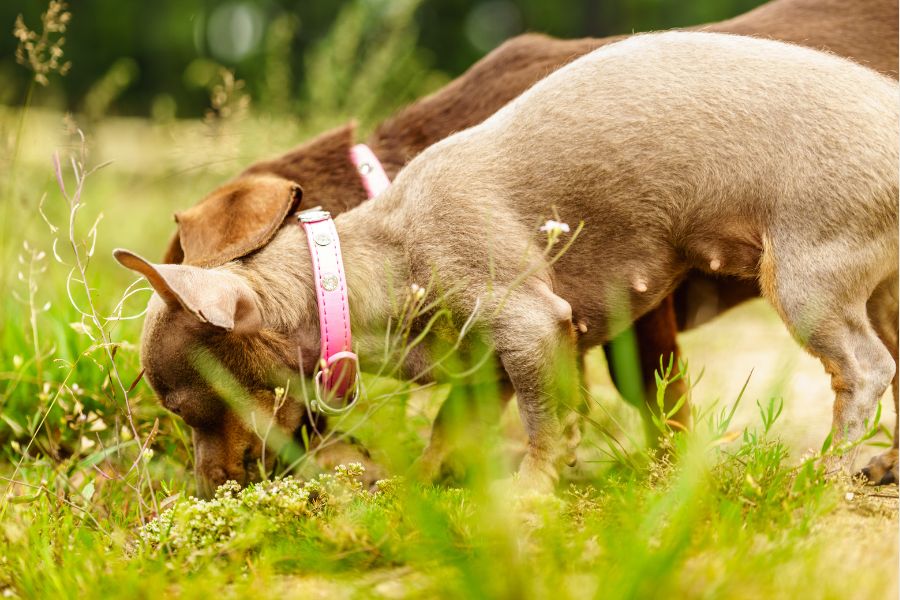
Dogs chewing on grass is a common behavior that can puzzle many pet owners. While this activity is often harmless, excessive grass chewing might indicate underlying issues that require your attention.
Understanding why dogs engage in this behavior and how to manage it effectively ensures your furry friend’s health and happiness.
Decoding the Grass Chewing Mystery: Why Dogs Munch on Grass
Dogs may chew grass for various reasons, including nutritional needs, boredom, or instinctual behavior. Some experts suggest that dogs might be seeking fiber or attempting to soothe upset stomachs. It’s essential to observe whether your dog chews grass occasionally or frequently, as persistent chewing could hint at digestive discomfort or anxiety.
Safe Spaces: Providing Your Dog with Healthy Grass Options
One practical step to manage your dog’s grass chewing is to ensure the grass they access is safe and free from harmful pesticides or chemicals. If outdoor access isn’t ideal, consider offering an indoor grass tray with untreated grass. This allows your dog to satisfy their craving without exposure to toxins.
Enriching Diet and Mind: Balancing Nutrition and Mental Stimulation
Often, dogs chew grass due to dietary imbalances or boredom. Enhancing your dog’s diet by adding fiber-rich foods like carrots, flax, or apples, and incorporating prebiotics and probiotics, can support digestive health. Simultaneously, boost their mental stimulation with activities such as puzzle toys, obedience training, and longer, sniff-filled walks to reduce boredom-induced chewing.
Mastering the ‘Leave It’ Command: Training for Grass Chewing Control
Teaching your dog a reliable “leave it” command is a game-changer for managing grass chewing. This command helps redirect their attention away from grass, especially when you’re concerned about their safety. Pair this training with rewarding alternatives like chew toys or treats to encourage positive behavior consistently.
Keep an Eye Out: When to Consult a Veterinary Clinic
If your dog’s grass chewing increases suddenly or is accompanied by vomiting, lethargy, or other signs of illness, consult a veterinary professional immediately. A veterinary clinic in Parkland, FL, can provide a thorough examination to rule out health issues such as nutritional deficiencies, digestive problems, or parasites.
Managing your dog’s grass chewing behavior involves understanding the motivations behind it and implementing safe, enriching alternatives. With proper care, training, and occasional professional advice, your dog can enjoy a healthy, balanced life free from excessive grass chewing.
FAQs( Frequently Asked Questions)
1. What does it mean when dogs eat grass?
A: Dogs eating grass can mean various things, from a natural behavior to a sign of nutritional needs or gastrointestinal discomfort. Observing the frequency and context can offer valuable clues.
2. Is it safe to let my dog eat grass?
A: While occasional grass chewing is generally safe, it’s crucial to ensure the grass isn’t treated with harmful chemicals. If in doubt, providing a safe alternative or preventing access is best.
3. Could grass eating indicate a deficiency in my dog?
A: Sometimes, grass chewing might signal that your dog is lacking fiber or other nutrients, prompting them to seek out grass as a natural supplement for their diet.
4. Do dogs eat grass because they feel sick?
A: Eating grass can be a way for dogs to relieve stomach upset or induce vomiting. If your dog frequently eats grass and appears unwell, a consultation at a veterinary clinic in Parkland, FL is advised.