8017 N. University Dr, Parkland, FL 33067

Detect Internal Health Concerns With Cat Radiology Imaging
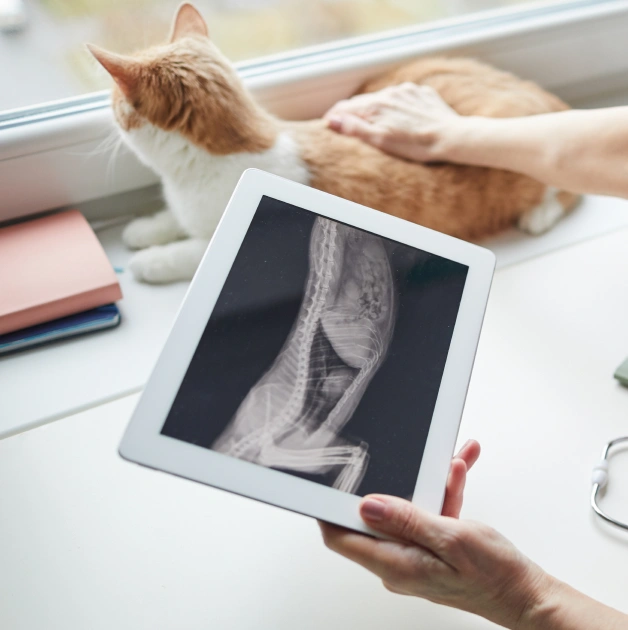
Veterinary radiology allows veterinarians to examine a cat’s internal structures without invasive procedures. Digital X-ray imaging helps identify bone injuries, respiratory issues, swallowed objects, and certain abdominal conditions. Clear imaging allows veterinarians to understand what is happening inside the body and recommend treatment promptly. Radiology for cats provides important diagnostic insight when symptoms appear suddenly or when physical examinations alone cannot reveal the cause of a cat’s discomfort.
Advanced Diagnostic Imaging for Cats in Parkland
Radiology plays an important role in evaluating health concerns that cannot be seen externally. Digital X-ray technology captures detailed images that allow veterinarians to assess bones, joints, lungs, and abdominal organs with precision. Imaging is commonly recommended when cats show symptoms such as difficulty moving, changes in breathing, digestive discomfort, or unexplained behavioral changes.
At Parkland Animal Clinic, we provide cat radiology services in Parkland to support accurate diagnosis and informed treatment planning. Veterinary imaging allows our team to detect hidden injuries and internal concerns while helping pet owners understand their cat’s condition clearly.
Many cats in Parkland spend their afternoons relaxing near sunny windows overlooking quiet neighborhoods, while evenings often include playful moments chasing toys across living room floors. Maintaining healthy movement and comfortable breathing helps cats continue enjoying those everyday routines with ease.
When Do Cats Need Veterinary Radiology Imaging?
Veterinary radiology is typically recommended when symptoms suggest an internal issue that cannot be confirmed through a standard physical exam. Imaging helps veterinarians evaluate the areas most likely responsible for the symptoms.
Situations where radiology may be recommended include:
- Limping or reluctance to jump or climb
- Suspected injuries after a fall or accident
- Persistent coughing or breathing difficulty
- Vomiting, bloating, or digestive problems
- Concern that a cat may have swallowed an object
Early imaging helps veterinarians identify problems quickly and begin the most appropriate treatment.
What Happens During a Cat Radiology Appointment?
Radiology appointments are structured to keep cats comfortable while obtaining clear images needed for diagnosis. Veterinary staff carefully guide each step of the imaging process.
A typical radiology visit may involve:
- Reviewing the cat’s medical history and symptoms
- Conducting a physical examination
- Positioning the cat carefully for imaging
- Capturing digital X-ray images from different angles
- Reviewing results and discussing findings with the pet owner
Sedation may be recommended if a cat is anxious, uncomfortable, or unable to remain still during imaging.
Benefits of Digital X-Rays in Veterinary Medicine
Modern veterinary clinics use digital radiology for cats to get results quickly while providing detailed images for evaluation. Digital imaging improves the efficiency and accuracy of the diagnostic process.
Key benefits of digital X-rays include:
- Faster image processing and review
- High-quality diagnostic images
- Lower radiation exposure compared to older systems
- Immediate viewing of results
Digital radiology allows veterinarians to identify potential problems sooner and begin treatment without unnecessary delays.
Health Conditions Veterinary Radiology Can Detect
Radiology can help veterinarians evaluate a wide range of health concerns in cats. Imaging allows the veterinary team to examine internal structures and determine the cause of certain symptoms.
Conditions often evaluated through radiology include:
- Bone fractures or skeletal injuries
- Joint changes or arthritis
- Lung conditions affecting breathing
- Digestive blockages or swallowed objects
- Abdominal abnormalities
Radiology often works alongside physical exams and other diagnostic tools to provide a more complete understanding of a cat’s health.
Preparing Your Cat for a Radiology Visit
Preparing for a radiology visit is usually straightforward. Providing clear information about your cat’s symptoms helps the veterinary team determine the most appropriate imaging approach.
Helpful tips before the appointment include:
- Bring your cat in a secure carrier
- Share any recent changes in appetite or behavior
- Inform the clinic about current medications or supplements
- Follow any feeding instructions if sedation might be necessary
Proper preparation helps ensure the imaging process runs smoothly and allows veterinarians to obtain accurate diagnostic results.
How Radiology Helps Veterinarians Diagnose Illness
Radiology provides valuable information that supports accurate diagnosis and treatment planning. X-rays allow veterinarians to evaluate bones, internal organs, and certain conditions that may not be visible during routine examinations.
Veterinary imaging helps doctors to:
- Identify injuries or abnormalities quickly
- Track healing progress after treatment
- Compare imaging results over time
- Adjust care plans when symptoms change
Radiology becomes particularly helpful for aging cats or pets experiencing recurring health concerns. For pet owners seeking cat radiology in Parkland, our veterinary imaging services offer an effective way to identify potential health concerns and guide appropriate care.
Diagnostic Imaging That Supports Your Cat’s Wellness
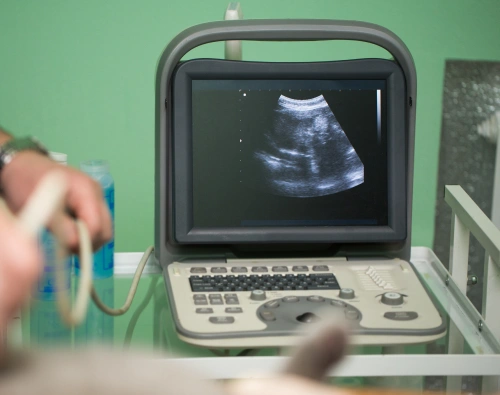
Sudden changes in a cat’s behavior or activity level can leave pet owners uncertain about what may be happening. Veterinary radiology provides valuable insight that helps determine the cause of symptoms and guide treatment decisions.
Clear digital X-ray images allow veterinarians to detect injuries, evaluate internal organs, and determine the safest next steps for your pet’s care.
Identify Health Concerns Early With Veterinary Imaging
Changes in appetite, breathing, mobility, or behavior can sometimes signal underlying health concerns that require further evaluation. Veterinary radiology allows our team to examine internal structures and better understand what may be affecting your cat’s health.
If your cat is showing unusual symptoms or discomfort, consider scheduling a diagnostic imaging visit at Parkland Animal Clinic. Our cat radiology in Parkland helps identify potential issues early and guide safe, effective treatment so your cat can return to a comfortable and active routine.
Frequently Asked Questions
Even a mild limp can signal hidden injuries such as small fractures, joint inflammation, or ligament strain. Radiology helps veterinarians determine whether a structural issue exists beneath the surface and ensures that early treatment can prevent the condition from worsening.