8017 N. University Dr, Parkland, FL 33067

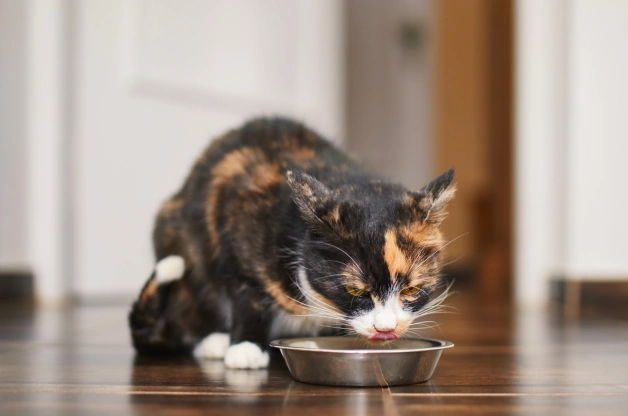
Supporting Your Cat’s Health Through Proper Nutrition
Cats rely on balanced nutrition to stay active, maintain a healthy weight, and support long-term wellness. Food choices influence far more than daily hunger, as they can also affect digestion, coat condition, energy levels, and immune function.
At Parkland Animal Clinic, we guide pet owners in making informed feeding decisions that match their cat’s age, lifestyle, and health needs. Every cat is different, and the right diet can make a noticeable difference in comfort and vitality.
For families looking for guidance on a cat nutritional diet in Parkland, our veterinary team offers personalized recommendations based on your pet’s specific needs. If you have questions about feeding routines, portion sizes, or diet selection, call our clinic to schedule a consultation.
Living in Parkland means many cats spend their afternoons relaxing near sunny windows overlooking quiet neighborhoods around Pine Trails Park. A balanced diet helps them maintain the energy and mobility they need to stay active and comfortable every day.
How Does Nutrition Impact a Cat’s Overall Health?
Nutritional diet for cats plays a central role in their long-term health. The right combination of nutrients supports growth, organ function, and immune response. It also helps maintain healthy skin and a glossy coat.
Cats that receive proper nutrition often show noticeable benefits such as steady energy levels and improved digestion. Balanced meals also help maintain a healthy body weight, supporting joint comfort and reducing the risk of certain health concerns.
Without the right nutrition, cats may experience digestive upset, dull coats, or changes in behavior. These issues can sometimes develop gradually, which is why regular veterinary guidance is helpful when evaluating diet choices.
At Parkland Animal Clinic, we focus on creating feeding plans that support wellness at every stage of life. Whether your cat is a playful kitten or a calm senior companion, the right diet can support healthy living for years ahead.
Why is It Important to Start Healthy Feeding Habits Early?
Healthy eating habits should begin early in a cat’s life. Kittens grow quickly, and proper nutrition helps support development during these important months.
Starting with balanced meals early can help prevent issues related to improper feeding later on. Early guidance also helps owners understand portion sizes, feeding schedules, and the types of food best suited for their cat.
Good feeding routines also contribute to behavior. Cats that receive consistent meals are less likely to develop irregular eating patterns or overeating habits.
When owners understand how diet affects their pet’s health, they can make confident decisions that support long-term wellness, attending to nutrition that lays the foundation for a healthy life.
When to Ask a Veterinarian About Your Cat’s Diet?
It is a good idea to discuss your cat’s diet during routine veterinary visits. Even healthy cats benefit from occasional diet reviews.
A veterinarian may suggest adjustments depending on age, lifestyle, and physical condition. Indoor cats, for example, may need different feeding strategies than highly active cats.
Regular diet evaluations also help identify small changes in appetite, weight, or digestion before they become larger concerns.
When you visit Parkland Animal Clinic, our team evaluates several factors related to nutrition, including body condition, weight trends, and feeding routines. These discussions help ensure your cat receives balanced nutrition that supports daily comfort and long-term health.
What Nutritional Challenges are Common in Cats?
Many cats experience diet-related issues at some point in their lives. Understanding these concerns helps pet owners respond quickly when something changes.
Some common nutritional concerns include:
- Weight Gain – Indoor cats may gain weight if meals are too large or feeding schedules are inconsistent.
- Digestive Upset – Sudden changes in diet may cause stomach discomfort or irregular digestion.
- Food Sensitivities – Some cats may react poorly to certain ingredients.
- Low Energy Levels – Inadequate nutrition can affect daily activity and playfulness.
- Dull Coat or Dry Skin – Nutritional imbalance may affect coat health.
These concerns often improve when feeding routines and diet quality are adjusted appropriately. Veterinary guidance helps ensure those adjustments are safe and effective.
Signs Your Cat May Need a Dietary Adjustment
Sometimes a cat’s behavior or physical appearance can indicate the need for dietary changes.
Watch for signs such as:
- Reduced appetite or sudden changes in eating habits
- Unexpected weight gain or weight loss
- Changes in stool consistency
- Decreased activity levels
- Excessive grooming or coat changes
While these signs may have several causes, diet often plays a role. A veterinary visit can help determine whether nutritional adjustments may improve your cat’s comfort and health.
Indicators of a Healthy, Well-Nourished Cat
A well-balanced nutritional diet for cats supports several visible signs of good health, and observing these indicators can help pet owners feel confident about their feeding choices.
Healthy cats often show the following characteristics:
- Bright Eyes – Clear, alert eyes without discharge
- Smooth Coat – Clean fur that appears shiny and well-maintained
- Stable Weight – Gradual growth or steady weight appropriate for age
- Regular Appetite – Consistent eating habits without sudden changes
- Playful Behavior – Active interest in toys, exploration, and interaction
Maintaining these signs of wellness requires ongoing care, including regular veterinary checkups and thoughtful feeding habits.

How Feeding Routines Support Long-Term Wellness
Feeding schedules are just as important as the type of food offered. Cats thrive when meals follow a consistent routine, with structured feeding times that help regulate digestion and prevent overeating. They also allow owners to monitor changes in appetite, which can sometimes signal health concerns.
Portion control is another important factor, as even nutritious foods can lead to weight concerns if portions are too large. At Parkland Animal Clinic, we often help pet owners create feeding plans that include balanced portions and predictable meal times. These simple strategies can support healthy digestion, stable energy levels, and long-term wellness.
Veterinary Guidance for Cat Nutrition
Selecting the right diet can feel overwhelming because there are many food options available. Labels and marketing claims can sometimes make it difficult to identify which products truly meet a cat’s needs.
Veterinary guidance simplifies this process. During consultations, we evaluate several factors:
- Age and activity level
- Weight and body condition
- Existing health considerations
- Feeding habits and routines
Based on this evaluation, we recommend practical feeding strategies designed to support health and comfort.
Helping Your Cat Live a Healthier, Happier Life
Good nutrition supports more than daily meals, influencing energy levels, comfort, and long-term wellness. Cats depend on thoughtful feeding routines and balanced diets to maintain a healthy weight, strong immune function, and steady activity levels. Even small adjustments to feeding habits can lead to noticeable improvements in overall well-being.
If you are looking for guidance on a cat nutritional diet in Parkland, the veterinary team at Parkland Animal Clinic is here to help. Schedule a visit to discuss your cat’s nutrition and receive personalized recommendations designed to support a healthier, happier life.
Frequently Asked Questions
You can often tell by observing your cat’s weight, energy levels, and coat condition. A balanced diet usually supports steady weight, active behavior, and a clean, shiny coat. If your cat appears sluggish or has digestive issues, a veterinary diet review may help.