8017 N. University Dr, Parkland, FL 33067

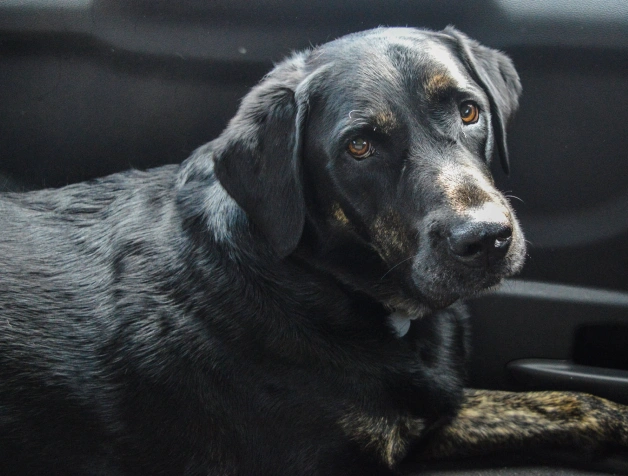
Helping Your Aging Dog Thrive With Senior Dog Care
As dogs grow older, their needs begin to change. Just like people, senior dogs benefit from attentive care, routine health checks, and a comfortable lifestyle that supports their aging bodies. At Parkland Animal Clinic, we understand how important your dog is to your family. Our goal is to help your senior companion stay active, comfortable, and healthy throughout their life.
Many pet owners notice subtle changes as their dog enters the senior years. Your once-energetic companion may sleep more, move a little more slowly, or develop new health concerns. These changes are natural, but they also require attentive veterinary guidance. With thoughtful care and regular monitoring, senior dogs can continue enjoying a happy and fulfilling life.
Families in Parkland often spend weekends walking their dogs along the peaceful trails near Pine Trails Park or relaxing outdoors during sunny South Florida mornings. As dogs age, maintaining mobility and comfort becomes especially important so they can continue enjoying these everyday moments with you.
Our team provides personalized senior dog care in Parkland, designed to support aging pets and give owners confidence that their dogs are receiving the attention they deserve.
Why Senior Dog Care Matters for Long-Term Health
A dog’s senior stage often begins around age 7, though it can vary by breed and size. Larger breeds may age faster, while smaller dogs often reach senior status later.
During this phase, dogs become more vulnerable to certain health concerns. Regular checkups allow veterinarians to detect small changes before they become serious issues. Preventive care also helps manage chronic conditions and maintain a comfortable quality of life.
Senior care for dogs focuses on several key areas:
- Monitoring weight and body condition
- Evaluating joint mobility and comfort
- Checking heart and lung function
- Examining teeth and gums
- Reviewing appetite and digestion
- Screening for age-related conditions
When these areas are monitored consistently, many age-related problems can be addressed early, which helps dogs remain comfortable and active throughout their senior years.
When is a Dog Considered a Senior?
Many pet owners are surprised to learn that dogs enter their senior years sooner than expected. The exact age at which a dog transitions into senior status varies by breed and size, but most dogs reach this stage between 7 and 10 years old.
Signs that your dog may be entering the senior stage include:
- Reduced activity levels
- Longer sleeping periods
- Stiffness when standing or walking
- Gradual weight gain or loss
- Changes in hearing or vision
These changes do not always mean something is wrong. However, they do signal that your dog may benefit from a care plan designed for aging pets. Routine wellness visits become even more valuable during this time because they help track these changes and identify concerns early.
What Happens During a Senior Dog Wellness Exam?
Regular examination visits allow the veterinarian to review your dog’s overall health and detect subtle changes that may otherwise go unnoticed.
During a senior wellness exam, your veterinarian may evaluate:
- Body weight and muscle condition
- Heart and breathing patterns
- Joint movement and mobility
- Skin and coat health
- Dental condition
- Eyes and ears
- Behavioral changes
Your veterinarian may also discuss lifestyle habits such as diet, exercise, and daily routines. These conversations help tailor recommendations that support your dog’s individual needs. By tracking health trends over time, veterinarians can help your dog stay comfortable and maintain a good quality of life.
Warning Signs of Health Problems in Older Dogs
Aging dogs may be more likely to develop certain health conditions than younger pets. While every dog is different, some common concerns include:
- Joint stiffness and mobility issues: Older dogs may develop arthritis or joint discomfort, making movement more difficult.
- Dental problems: Plaque buildup and gum disease can become more common as dogs age.
- Changes in appetite or digestion: Older dogs sometimes develop sensitivities or digestive changes that affect eating habits.
- Vision or hearing loss: Gradual sensory changes may occur as dogs grow older.
- Heart and organ changes: Regular monitoring helps identify concerns early, allowing them to be managed effectively.
The above conditions often develop gradually, which is why routine examinations play such an important role in senior pet care.
Signs Your Senior Dog May Need Veterinary Attention
Senior dogs may not always show obvious signs when something feels wrong. Pet owners should watch for subtle changes in behavior or habits.
Common warning signs include:
- Sudden changes in appetite
- Increased thirst
- Difficulty climbing stairs or jumping
- Unusual fatigue or weakness
- Persistent coughing
- Changes in bathroom habits
- Confusion or disorientation
If you notice any of these symptoms, it is a good idea to schedule a veterinary visit. Early evaluation often helps identify problems before they progress.
Supporting Your Senior Dog at Home
Veterinary care is essential, but everyday habits at home also play a major role in helping senior dogs stay comfortable.
Here are a few simple ways to support your aging pet:
- Provide a balanced diet: Senior dogs benefit from nutrition that supports joint health, digestion, and weight management.
- Maintain gentle daily exercise: Short walks help maintain mobility and muscle tone.
- Create a comfortable sleeping space: Orthopedic bedding can reduce pressure on joints.
- Keep routines consistent: Predictable daily routines help senior dogs feel secure.
- Schedule regular wellness visits: Routine care ensures that changes are addressed early.
Combining professional veterinary care with thoughtful home routines creates a strong foundation for your dog’s long-term comfort.
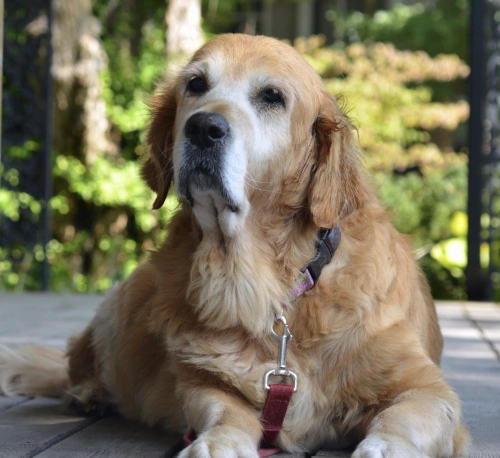
Help Senior Dogs Stay Active With Aging
Watching a beloved pet grow older can bring mixed emotions. While the senior years come with new challenges, they also offer opportunities to strengthen the bond you share with your dog.
With attentive senior care for dogs, many dogs continue enjoying walks, playtime, and family companionship well into their later years. Veterinary guidance ensures that changes in health are monitored and addressed to support comfort and well-being. Our team at Parkland Animal Clinic works closely with pet owners to develop care plans that prioritize each dog’s individual needs.
Creating a Long-Term Care Plan for Your Aging Dog
Your dog has spent years offering loyalty, companionship, and joy. As they enter their senior stage, they deserve the same level of care and attention in return.
At Parkland Animal Clinic, we are proud to provide thoughtful, compassionate senior dog care in Parkland for aging pets. Our team is committed to helping dogs remain comfortable and healthy as they grow older.
If your companion is entering their senior years, our veterinarians are here to guide you every step of the way. Schedule a visit with us today to learn how personalized senior care can help your dog continue to live a happy, comfortable life.
Frequently Asked Questions
As dogs age, their metabolism slows, and their bodies require more rest. Increased sleep is a natural part of aging. However, excessive fatigue or sudden behavior changes should be evaluated by a veterinarian to rule out underlying health concerns.