8017 N. University Dr, Parkland, FL 33067

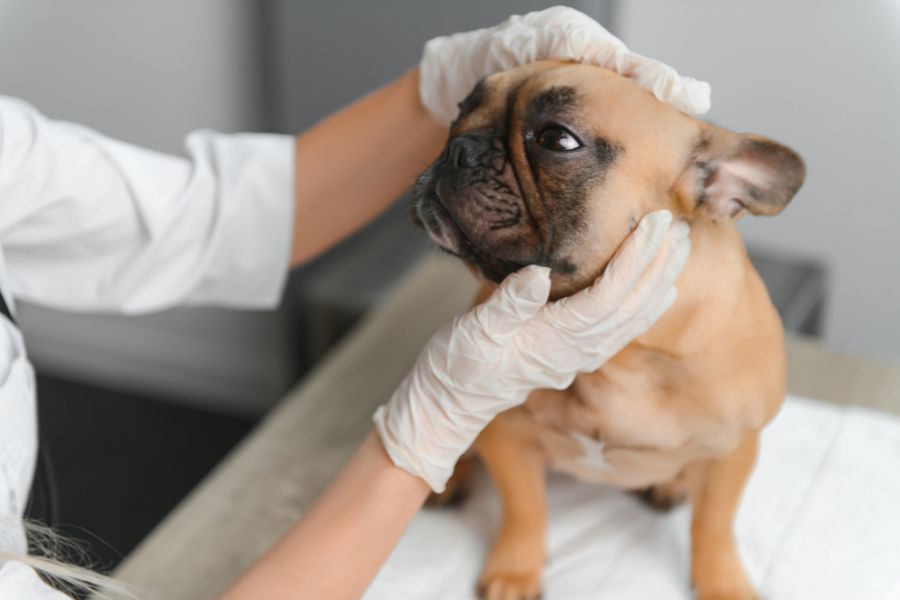
When your pet isn’t feeling their best, finding a reliable vet nearby can make all the difference. From minor concerns to serious health problems, a trusted veterinarian plays a key role in keeping your furry companion healthy. In this guide, we’ll explore how a vet helps diagnose, treat, and prevent common pet health issues, and why regular visits are essential for long-term wellness.
What Does a Vet Do for Your Pet?
A vet, also known as a veterinarian, is a medical professional trained to care for animals. Their role goes beyond treating illnesses; they focus on prevention, early detection, and overall wellness.
Here’s what a vet typically does:
- Conducts routine wellness exams
- Diagnose illnesses and injuries
- Prescribes medications and treatments
- Performs surgeries when needed
- Offers guidance on nutrition and behavior
Regular visits to a vet help detect health problems early, often before symptoms become severe.
Common Pet Health Issues a Vet Can Treat
Pets can experience a wide range of health problems, some minor and others more serious. A qualified vet is equipped to handle these effectively.
1. Skin Allergies and Infections
Skin problems are one of the most common reasons pet owners visit a vet. Symptoms may include itching, redness, hair loss, or sores.
Treatment options include:
- Medicated shampoos
- Allergy testing
- Prescription medications
Early treatment prevents infections from worsening and keeps your pet comfortable.
2. Ear Infections
Ear infections are especially common in dogs with floppy ears. Signs include scratching, head shaking, and odor.
A vet will:
- Examine the ear canal
- Clean the affected area
- Prescribe antibiotics or antifungal medication
Ignoring ear infections can lead to chronic issues or hearing loss.
3. Digestive Problems
Vomiting, diarrhea, and loss of appetite are signs of digestive issues. Infections, food intolerance, or parasites can cause these.
A vet can:
- Perform diagnostic tests
- Recommend dietary changes
- Provide medications to stabilize digestion
Prompt care helps your pet recover quickly and avoid dehydration.
4. Dental Disease
Dental health is often overlooked, but it is critical to your pet’s overall well-being. Plaque buildup can lead to gum disease and infections.
A vet may recommend:
- Professional dental cleanings
- Tooth extractions, if necessary
- Daily dental care routines
Healthy teeth contribute to a longer and more comfortable life for your pet.
5. Parasites (Fleas, Ticks, and Worms)
Parasites can cause serious health issues if left untreated. Common signs include itching, weight loss, and fatigue.
A vet helps by:
- Providing preventive medications
- Diagnosing infestations
- Offering treatment plans
Routine parasite control is one of the simplest ways to protect your pet.
Why Regular Vet Visits Are Important
Even if your pet appears healthy, routine checkups with a vet are essential. Preventive care can catch hidden health issues early.
Benefits of Regular Vet Visits:
- Early detection of diseases
- Up-to-date vaccinations
- Monitoring weight and nutrition
- Improved lifespan and quality of life
Pets age faster than humans, which means health conditions can develop quickly without noticeable symptoms.
How a Vet Diagnoses Pet Health Issues
Accurate diagnosis is key to effective treatment. A skilled vet uses a combination of physical exams and advanced tools.
Common Diagnostic Methods:
- Blood tests
- X-rays and imaging
- Urine analysis
- Physical examinations
These tests help identify underlying problems and guide the best course of treatment.
Preventive Care: The Key Role of a Vet
Preventive care is one of the most important services a vet provides. It focuses on stopping health problems before they start.
Preventive Services Include:
- Vaccinations
- Routine health screenings
- Spaying and neutering
- Nutritional counseling
By working closely with a vet, pet owners can create a personalized care plan tailored to their pet’s needs.
When Should You Visit a Vet?
Knowing when to seek help is crucial. Some symptoms require immediate attention from a vet.
Warning Signs to Watch For:
- Sudden changes in behavior
- Loss of appetite
- Difficulty breathing
- Persistent vomiting or diarrhea
- Lethargy or weakness
If you notice any of these signs, don’t delay seeking professional care.
Choosing the Right Vet Near You
Finding the right vet ensures your pet receives high-quality care. Consider the following factors:
- Experience and qualifications
- Range of services offered
- Clean and well-equipped facility
- Friendly and compassionate staff
- Positive client reviews
Building a long-term relationship with a trusted vet provides peace of mind and better health outcomes for your pet.
A reliable vet plays a vital role in diagnosing, treating, and preventing common pet health issues. From routine checkups to emergency care, their expertise ensures your pet lives a healthy and happy life. If you’re looking for compassionate and professional veterinary care in Parkland, Coral Springs, Coconut Creek, and Boca West, then schedule a visit with Parkland Animal Clinic today and give your pet the attention they deserve.
FAQs:
Q1: How often should I take my pet to a vet?
Ans: Most pets should visit a vet at least once a year, while puppies, kittens, and senior pets may need more frequent checkups.
Q2: What are the signs my pet needs to see a vet immediately?
Ans: Symptoms like difficulty breathing, severe vomiting, or sudden weakness require immediate attention from a vet.
Q3: Can a vet help with behavioral issues?
Ans: Yes, a vet can identify underlying medical causes and provide guidance or referrals for behavioral training.
Q4: Are vaccinations really necessary for pets?
Ans: Vaccinations are essential, and a vet ensures your pet is protected against serious and preventable diseases.
Q5: How do I choose the best vet near me?
Ans: Look for experience, good reviews, modern facilities, and a caring approach when selecting a vet for your pet.